Mystics of the Sacred Heart Part Two – Saint Lutgarde and the Exchange of Hearts

Lutgarde (1182 – 1246) was born in Tongres, Belgium, and entered the Benedictine convent at Saint Trond aged twelve. During this period a potential suitor visited her and during one of these visits Jesus appeared to her revealing his spear wound and telling her: ‘Seek no more pleasure of this affection… here in this wound I promise you the most pure of joys.’ Lutgarde denounced her suitor saying: ‘Go away from me for I belong to another Lover.’ (3)

Afterwards Lutgarde was blessed with a number of graces including levitation, healing, a miraculous understanding of Latin and illumination about the meaning of the Psalms but none of these made her happy. 

This led to her exchange of hearts with Jesus:

‘Jesus asked her: “What… do you want?”

“Lord… I want Thy Heart.”

“You want My Heart? Well, I too want your heart.” 

“Take it, dear Lord. But take it in such a way that the love of Your Heart may be so mingled and united with my own heart that I may possess my heart in Thee, and that it may always remain there secure in Your protection.”’ (4)

Lutgarde was elected as superior of the convent at the age of twenty-three but left to join the Cistercian convent (known as Trappists) at Aywieres.

Although I haven’t directly exchanged hearts with Gwyn attaining a union of my breath with His breath and my heart with His has long been a part of my practice.

REFERENCES

(3) St Lutgarde of Aywieres, Mystics of the Church, https://www.mysticsofthechurch.com/2015/09/st-lutgarde-of-aywieres-first-known.html
(4) Ibid.

Mystics of the Sacred Heart Part One – The Sacred Heart and the Sacred Wounds

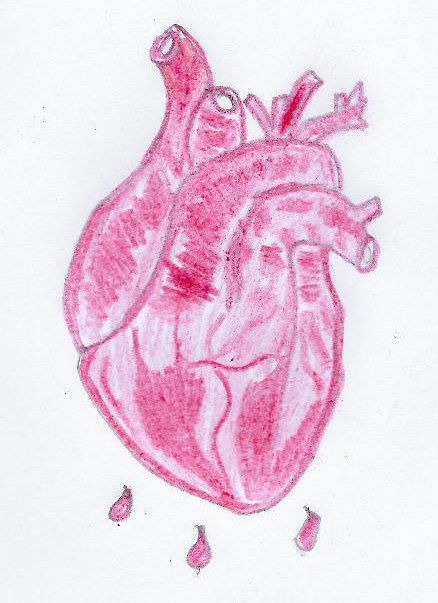
Through my recent visit to London and to the Tyburn Convent I found out about the Roman Catholic devotion to the Most Sacred Heart of Jesus. I have since been reading further on the subject and have been astonised by the parallels between my gnosis of Gwyn’s heart as the Heart of Annwn and the experiences of the Christian mystics of the sacred heart.

In this series I will be sharing the story of the origins of the devotion to the Sacred Heart and discussing how the visions of these mystics relate to my experiences.

*

The devotion to the Sacred Heart originated from the devotion to the Sacred Wounds of Jesus. There were five in total. The first four were the wounds to His hands and feet from the nails when He was crucified. The fifth was the wound in His side from the Spear of Longinus by which He was pierced to ensure He was dead. From this wound poured blood and sweat. 

Associations between the Sacred Wounds and the Sacred Heart began in the Benedictine and Cistercian monasteries in the 11th – 12th centuries. In Sermon 61 St Bernard of Clairvaux (1090 – 1153) speaks of ‘the soul of the martyr’ being ‘safe’ ‘in the heart of Jesus whose wounds were opened to let it in’. (1) 

In the 13th century, in ‘With You is the Source of Life’, St Bonaventure (1221 – 1274) wrote: ‘“They shall look on him whom they pierced”. The blood and water, which poured out at that moment, were the price of our salvation. Flowing from the secret abyss of our Lord’s heart as from a fountain, this stream gave the sacraments of the Church the power to confer the life of grace, while for those already living in Christ it became a spring of living water welling up to life everlasting.’ (2)

The last of Christ’s lifeblood was seen as pouring as an offfering from His heart. This resonates with my vision Gwyn showed me of His death, pierced by a spear, in raven form, hanging upside down on a yew over the Abyss in a sacrifice in which He gave every last drop of His blood to ‘set the world to rights’ following the devastation wrecked by his battling with His rival, Lleu / Gwythyr.

In a follow-up story I wrote Mabon won a cup containing Gwyn’s blood from the Abyss and used it to heal Nudd, Gwyn’s father, ‘the Fisher King’. It is interesting to note that abyss imagery occurs in the writings of Bonaventure.

It seems no coincidence that in a later legend the blood and sweat of Jesus was taken in the Holy Grail by Joseph of Arimathea to Britain and buried near Glastonbury Tor – a site sacred to Gwyn. When Joseph rested wearily on his staff the Glastonbury Thorn sprung up giving name to Wearyall Hill.

In my visions when Gwyn is killed by His rival on Calan Mai the hawthorns blossom from His blood. Could the Christian legend be based on an earlier myth wherein a cup containing the blood from Gwyn’s Sacred Heart was buried?

REFERENCES

(1) ‘Sacred Heart of Jesus – Part One’, Knights of the Precious Blood, https://www.kofpb.org/2020/05/06/sacred-heart-of-jesus-part-1-history-of-the-devotion/
(2) Sister Julie Anne Sheahan, ‘Call includes Consecration to the Sacred Heart of Jesus, Franciscan Sisters, https://fscc-calledtobe.org/2022/06/23/call-includes-consecration-to-the-sacred-heart-of-jesus

The Heart of Annwn

Over the past few years the Heart of Annwn has become increasingly important in the mythos Gwyn has gifted me and in my devotional practices. 

For me, the Heart of Annwn is Gwyn’s heart, inherited from His mother, Anrhuna, Mother of Annwn, and also the ever-beating heart of Annwn itself. 

I believe that, like Hades and Hades, Hel and Hel, are both Deities and Otherworlds, Gwyn, who is associated with Gwynfyd is one with His land as well.

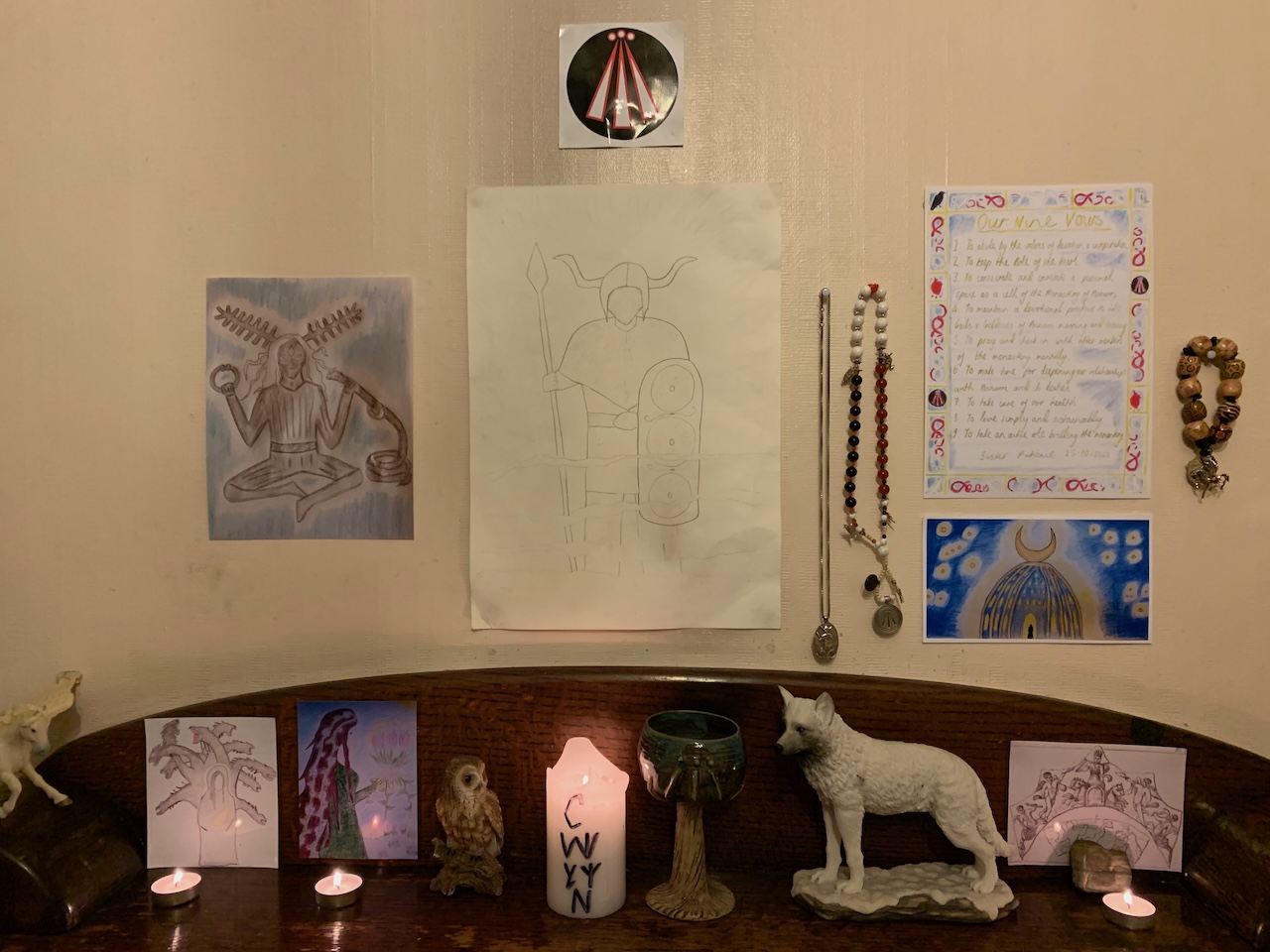
The Heart of Annwn literally became the heart of my practice two years ago when I began playing its beat and chanting to align myself with Gwyn’s heartbeat. This led to the formulation of the Rule of the Heart within the Monastery of Annwn – following our hearts in alignment with the Heart of Annwn.

In this post I will be sharing two of the core stories of the Heart of Annwn.

*

The Heart of the Dragon Mother

Gwyn has shown me that the Heart of Annwn once beat in the chest of His mother, Anrhuna, the Mother of Annwn, when She was a nine-headed dragon. When She was slain Vindos / Gwyn ate Her heart. The Heart of Annwn became His and this gave Him sovereignty over Annwn as King.

“Now,” the ghost of Anrhuna turned to her corpse, “there is a rite amongst the dragons of Annwn – as you are the only one of my children left here you must eat my heart.”

The boy swallowed nervously as with a single bite of her ghost jaws she tore it from her chest and offered it to him, big and bloody, large and slippery, uncannily still beating. “My heart is the Heart of Annwn. If you succeed in eating it all, its power will be yours and you will be king.”

“But it is so much bigger than I and I have little appetite.”

“Little bite by little bite and you will be king.”

The boy very much wanted to be king. He needed his kingship within him. He bared his teeth and bit in, took one bite, then another. As he ate, he grew. He became a mighty wolf, a raging bull, a bull-horned man, a horned serpent, finally, a black dragon. As he tore and devoured the last pieces of the heart he spread his wings to fill the darkest reaches of the Deep. He roared, “I am King of Annwn! I will rule the dead! I will build my kingdom from the bones of dead dragons and the light of dead stars! I will bring joy to every serpent who has known sorrow and I will take vengeance on my enemies!”

Weary and full he slept and when he awoke he was just a boy with a large heart that felt too big for his body.

*

The Hidden Heart

In another story, in which Arthur raids Annwn, killing the King of Annwn and stealing His cauldron, Gwyn instructs His beloved, Creiddylad, to cut His heart from His chest and help hide it so that Arthur cannot take the Heart of Annwn.

Gwyn gave Creiddylad a Knife. “Cut my heart from my chest. Give it to my winged messengers and tell them to hide it in a place that even I could never find It.”

“Do what?” 

“I will not die.” 

“Worse – you will be heartless.”

One of my practices around this story was receiving the honour of finding Gwyn’s heart and returning it to Him and helping Him to return to life.

‘I knew it was a death unlike any other
but still I heard the beating 
of your heart…

Your hounds dug wildly beneath trees,
bloodying their frantic paws
to find only the hearts of 
dead badgers,

sniffed suspiciously at the edge of pools
where I searched through reeds
as if looking for a baby
in the bulrushes,
plunged in 
and emerged draped in duck-weed.

We snatched a still-beating heart 
from a bear’s claws (not yours).

We searched every cave for a heart-shaped box.
When we found one 
and the keys to the lock
inside was only a locket and a love letter in an illegible hand.

When we had searched everywhere in Annwn
we rode across Thisworld following
your fading heart beat.

We found your heart in the unlikeliest of places.

Clutching it tightly, fearing every time it skipped a beat,
we galloped back to Annwn with our hearts
beating just as wildly.

Through the fortresses within fortresses…

Into your empty chest we placed your still-beating heart.’

*

Gwyn has revealed a lot about the Heart of Annwn and I believe there is more to come. Recently I had a vision of Gwyn as a black dragon with His heart visible in His chest bearing an important message. He appears in this form when He brings tidings for the future. What will be the future of the Heart of Annwn? What stories from the past remain to be disclosed? I share what I know with gratitude and await further revealings.

Going to Tyburn – The Hanged and the Healing

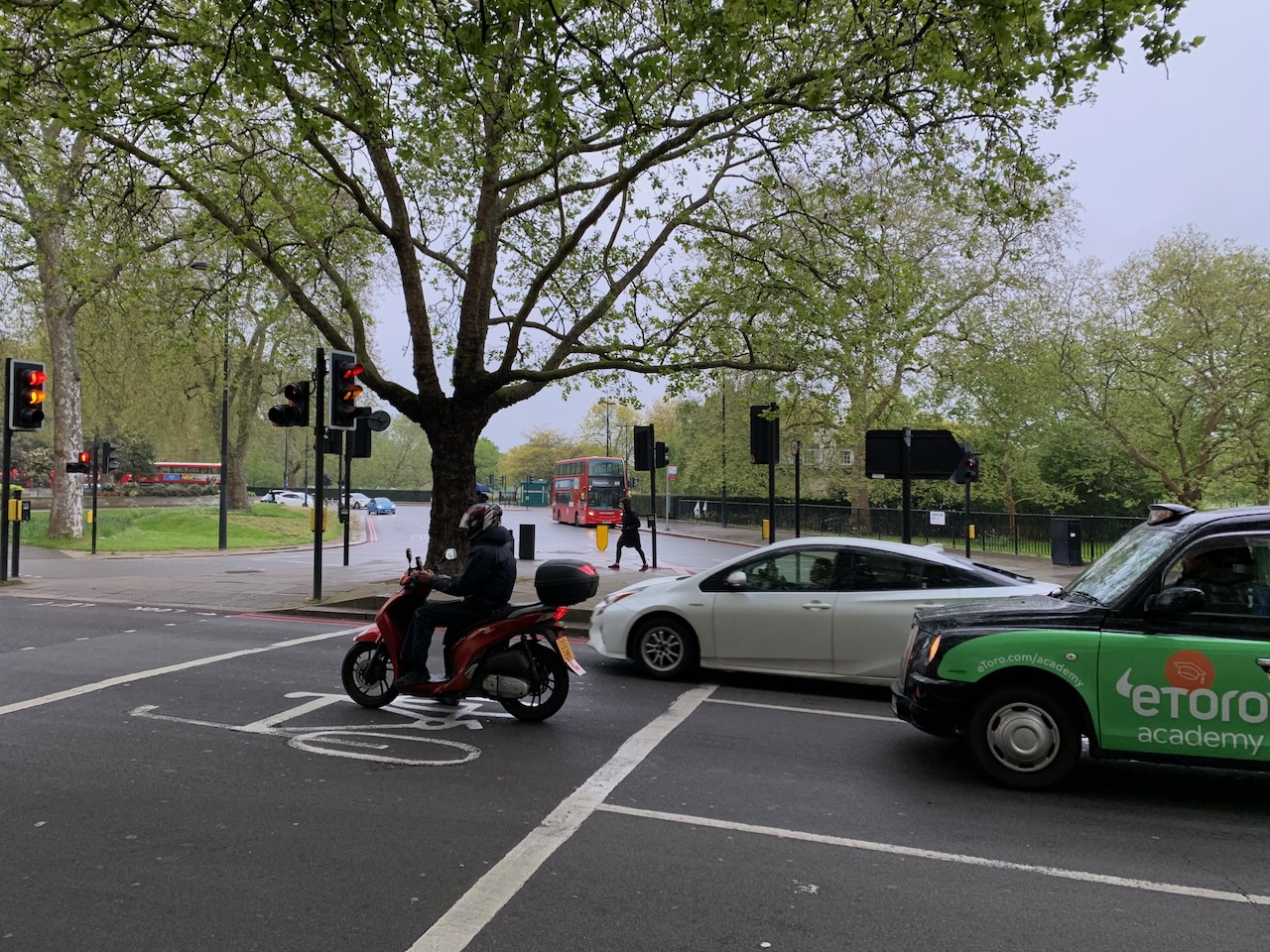
I didn’t go to Tyburn to ‘go to Tyburn’. (1) I went to London to attend an introductory weekend as a prerequisite to a three year shamanic healing course. But I ended up staying in a hotel in Tyburn as it was relatively cheap. When I visit a place I like to do a bit of historical research before I go and have a map of the land past and present to help me connect with the spirits and this what I found out.

The Tyburn Tree

The dark but now absent centre of this place is the infamous Tyburn tree. It was the King’s Gallows from 1196 to 1783. It has also been known as the Elms, the Deadly Never Green Tyburn Tree and the Triple Tree (because it was a wooden triangle on three legs – a ‘three legged mare’ or ‘three legged stool’). The triangular traffic island where it once stood mirrors its structure.

All manner of criminals were executed there by being hanged, drawn, then quartered. Many of the victims were religious people of the Catholic faith – friars, priors, abbots, monks and hermits, who resisted King Henry VIII’s separation of the Church of England from legal ties to the Catholic Church and papal authority of Rome and the dissolution of the monasteries.

The Carthusian Martyrs, 18 monastics of the Carthusian Order from the London Charterhouse, were executed between 1535 and 1537. As a result of the Lincolnshire Rising, the Pilgrimage of Grace and Bigod’s Rebellion over 250 rebels met their deaths again including large numbers of monastics. Many were northerners, such as the bowbearer of the Forest of Bowland, and people from my home county, Lancashire, joined the rebellions.

This had meaning for me as a polytheistic monastic because these Catholics were standing for the freedom to practice their religion and to continue to lead monastic lives. The anglicisation of the church and dissolution of the monasteries removed much of the mysticism and sanctity from Christianity in England.

Tyburn Convent

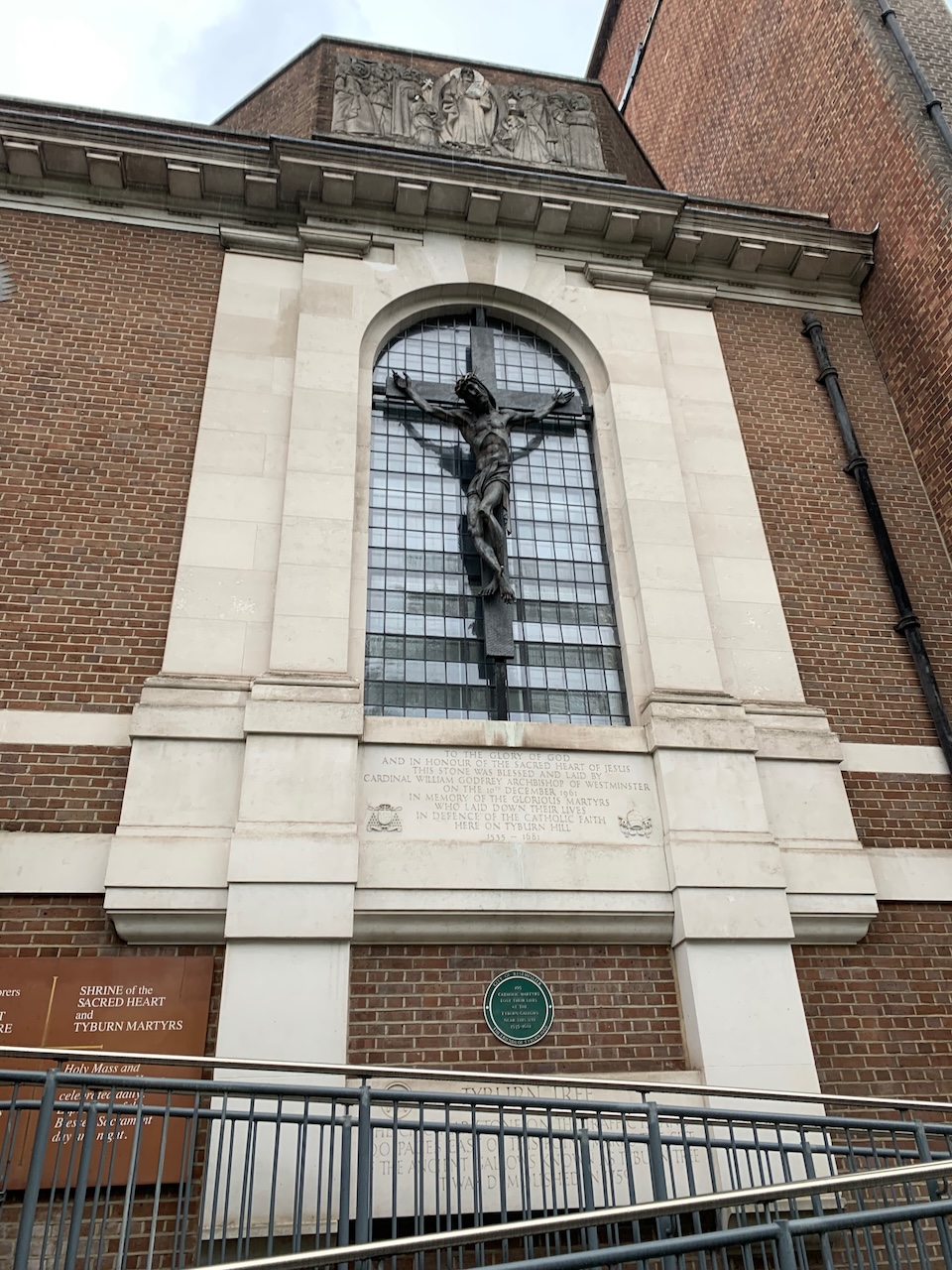
In 1901 the Tyburn Convent was established near the site of the Tyburn Tree with a shrine to the Tyburn Martyrs. This order of Benedictine nuns was founded by Mother Marie Adèle Garnier as the Adorers of the Sacred Heart of Jesus of Montmartre in Paris in 1898. When the nuns were forced to leave due to restrictions on monasteries in France they made their home in London.

What is unique and beautiful about their tradition is their perpetual adoration of the Sacred Heart of Jesus. What this entails is that, at all times, day and night, at least one nun is kneeling before the eucharist worshipping Jesus’s heart.

Mother Marie is ‘honoured and remembered’ for her ‘ardent love of Christ’, ‘her heroic love of God and neighbour, her spirit of prayer, divine contemplation, rich mystical and spiritual doctrine, humility, obedience, patience, simplicity and purity of heart, and above all for her spirit of total self-abandon to the Holy Will of God, which she declared to be her unique good.’ (2)

This is one of her prayers – 

‘O blessed portion! Lot worthy of envy!
My heart is ready, O Lord, my heart is ready!
Here I am, speak, act, inflame me,
unite me to Yourself!

O Mary, O my tender Mother
entrust me to Jesus,
love hidden in the adorable Eucharist.
Henceforth make my life
become a repeating with you:
I look for nothing other than Him…
I know only Him alone…

Jesus, my soul is thirsting for You
so unite it to Your Heart
that no longer may I be able to live without You.’ (3)

When the nuns make their act of consecration they speak a prayer that has been spoken in their communities since Pope Leo XIII consecrated the world to the Sacred Heart of Jesus on the 11th of June 1899.

‘Lord Jesus, Redeemer of the human race,
look down upon us humbly prostrate before Your altar.
Yours we are, and Yours we wish to be;
but to be more surely united with You,
behold we freely consecrate ourselves today to Your Most Sacred Heart. 
Many, indeed, have never known You;
many, too, despising your precepts, have rejected You.
Have mercy on them all, most merciful Jesus,
and draw them to Your Sacred Heart…’ (4)

The Sacred Heart and Healing

I had never come across the perpetual adoration of the Sacred Heart of Jesus before. It resonated deeply with me because over the past few years my patron God, Gwyn ap Nudd, has revealed His heart to be the Heart of Annwn, which He inherited from His mother, Anrhuna, the Mother of Annwn.

My personal practice has increasingly involved devotion to the Heart of Annwn. Keeping the heart beat by drumming and chanting. Meditating, journeying on and recording the stories gifted to me about Gwyn’s Sacred Heart.

Before I set off to London I was instructed by my guides to make a pilgrimage walk to the Tyburn Tree and the Tyburn Convent. I was told I must take ‘purity, grace and the pain of the dead’ in a small obsidian spearhead I was gifted by a fellow nun of Annwn and leave it as an offering.

I did this on the first day in the early evening after I left the course. I was disappointed to find the stone and three young oak trees put there in 2014 to mark the site of the Tyburn tree had been removed. I can only guess this was done because people were hanging about the site or leaving offerings. In spite of the rush of traffic and people I paused and spoke some prayers then made my offering at the foot of the London Plane tree on the island. 

I went to the Tyburn Convent and paused to pay my respects to the Tyburn Martyrs and shared my gratitude for the work of the nuns and gained a sense of release and peace and of our unity in the adoration of the Sacred Heart.

When I got back to my hotel room, although I didn’t have my drum, I played the beat of the Heart of Annwn on my knee, sung one of my chants, again imagining my offering of song as uniting with the devotion of the Tyburn Nuns.

My weekend course, The Shaman’s Pathway, with Simon Buxton of the Sacred Trust, was profoundly moving and deeply healing. Whilst the first day was more introductory on the second day we practiced ecstatic union with our spirits, healing each other, and the culimination was a powerful group healing ceremony in which I was honoured to take the role of drummer.

In the following of my heart, in alignment with Gwyn’s heart, the Heart of Annwn, I feel healing has taken place and I have received confirmation I’m on the right path in pursuing the three year training to become a shamanic healer.

(1) ‘Going to Tyburn’ or ‘taking a ride to Tyburn’ are metaphors for being hanged.
(2) https://www.tyburnconvent.org.uk/site.php?menuaccess=161
(3) https://www.tyburnconvent.org.uk/site.php?menuaccess=240
(4) https://www.tyburnconvent.org.uk/site.php?id=234

    If Your Heart Ceased to Beat

    the mountains would stop talking to each other,
    the hills would lose their nerve and flee, 
    the rivers would stop rushing down,
    turn their tides to the source,
    vanish back to Annwn,

    and the sea, oh the vast sea!
    The mournful waves would lose their songs,
    the sea-horses their nostrils of foam and proud crests.
    Water would be water no longer and salt would not be salt.
    There would be nothing to quench our thirst or cleanse our wounds.

    With the marching trees we would be rootless vagabonds
    for the snakes beneath our houses and the serpents
    beneath our towerblocks would shake
    the foundations tear them down.

    The animals would run away
    through the caves and cracks in the earth
    and all the fish would disappear into the Lune Deep
    and the birds would fly away on the winds before the sky
    did his thing of crashing down like a fallen bird or a fallen wrestler.

    If Your heart ceased to beat oh Gatherer of Souls,
    would our hearts too not cease to beat?
    Then who would gather us?

    Oh lonely lonely souls! 

    Grateful are we that on the moment
    of Your death Your heart skips but one beat
    then continues to beat in Your sleep and in Your dreams.

    *A poem for Gwyn ap Nudd on Calan Mai when He loses His battle for Creiddylad to Gwythyr and ‘dies’ and retreats to Annwn to sleep for the summer.

    “I Go To Fight”

    This morning when I made my traditional offering of a sprig of thyme to my patron God, Gwyn ap Nudd, at dawn before He goes to fight His battle against Gwythyr ap Grendel for Creiddylad (a battle He, as Winter King, is doomed to lose to the Summer King) He appeared to me as a magnificent bull of battle and spoke the words:

    “I go to fight for all those who fight a battle they cannot win.”

    Go well,
    my beloved Lord of Annwn,
    I will be waiting for You at summer’s end.

    The Dragon’s Gate

    In the medieval Welsh story Lludd ac Llefelys the island of Britain is beset by three plagues. The second is a scream which is ‘heard every May eve… It pierced people’s hearts and terrified them so much that men lost their colour and strength, and women miscarried, and young men and maidens lost their senses, and all animals and the earth and the waters were left barren.’ (1)

    Lludd finds out from Llefelys the plague ‘is a dragon, and a dragon of another foreign people is fighting it and trying to overthrow it, and because of that… your dragon gives out a horrible scream.’ (2) It is likely the ‘foreign people’ are ‘the Coraniaid’, the Romans, who are the cause of the first plague.

    Following the advice of Llefelys, Lludd digs a pit in the centre of Britain and fills it with mead. After the dragons have stopped fighting, firstly as dragons, then in the shapes of ‘monstrous animals’ and finally ‘two little pigs’, they fall into the vat, drink the mead and sleep. Lludd wraps them in ‘a sheet of brocaded silk’, puts them in a stone chest, and buries them at Dinas Emrys. (3)

    The dragons battle again during the invasions of the Anglo-Saxons. At this time Vortigern attempts to build a tower at Dinas Emrys and it will not stand. Merlin tells Vortigern this is because there is a pond beneath the foundations and when the pond is drained two dragons will be found in hollow stones. 

    Whilst Vortigern is sitting on the bank, the two dragons, one red, one white, begin a ‘terrible fight’ casting ‘forth fire with their breath’. The white wins. Merlin says this predicts the defeat of ‘the British nation’ by ‘the Saxons’. (4)

    The scream of the red dragon and the battle between the red and white dragons takes place at times of war and potentially during other periods of upheavel. I believe it is connected with the diasbad uwch Annwfn ‘scream over Annwn’ or ‘cry over the abyss’ which is found in several of the Welsh law texts including The Laws of Hywel Dda. It is uttered by a claimant who is threatened by the loss of their claim to ancestral land. (5) It perhaps has its origins as an invocation of the spirits of Annwn, those who were held back by the King of Annwn, Gwyn ap Nudd, to prevent their destruction of the world. These spirits may well include the dragons who Gwyn’s father, Nudd / Lludd subdued.

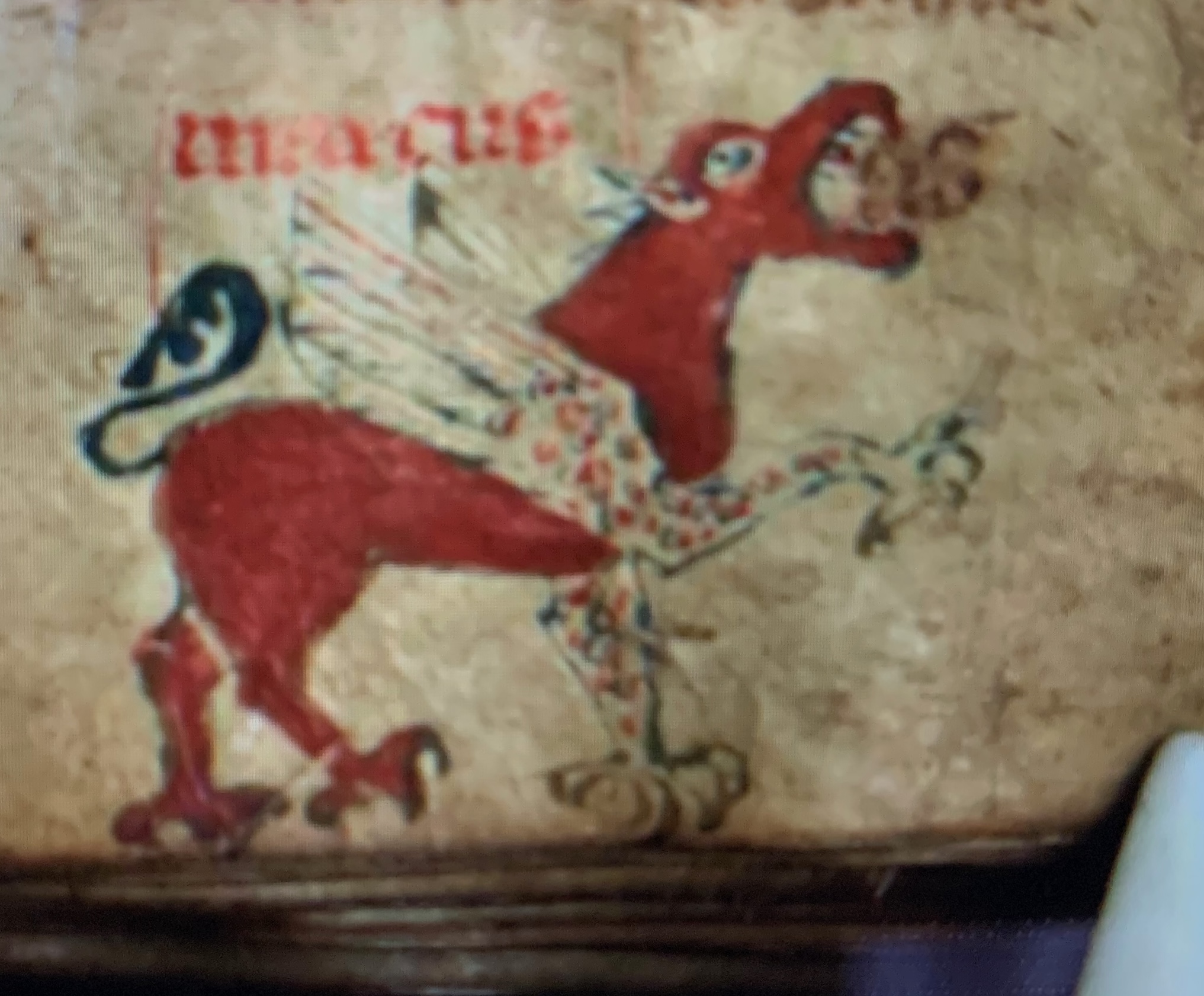
    According to the National Library of Wales The Laws of Hywel Dda features an illustration of a two-headed dragon. (6) I couldn’t find this image but did find two of the red dragon, from f.21.r and f.51.r, which are in the public domain. 

    *

    I’m returning to this lore after a journey circle with the Way of the Buzzard wherein we discussed the connection between dragons and voice and journeyed to the underworld to ask a dragon for guidance around personal power.

    I met a black dragon who instructed me to ‘put on my dragon skin’. I shapeshifted into a dragon and we flew over the volcanoes with the smoke cleansing my skin. I was then taken to an iron grate with forms behind it. I was told I ‘must learn to release the prisoners’. The black dragon’s final message was: ‘Those who are denied are needed.’ I’m not sure if they are parts of myself who I have shut away, people, or spirits, or perhaps might be all.

    Other participants reported visions of a dragon’s golden eye and dragon’s heart. This really struck me as it fit with the black dragon who I met, who I suspect to be Gwyn, the King of Annwn, in dragon form, His heart the Heart of Annwn. Several years ago my aunt sent me a birthday card with a golden dragon eye on it and it watches over me here in my monastic cell. 

    My vision of a black dragon fits with the legends of the red and white dragons because white, red and black are the colours of the Otherworld.

    I later received the gnosis that the iron grate is ‘the Dragon’s Gate’. I believe behind it lie the spirits of Annwn who Gwyn keeps shut up until the end of the world because of their furious and nature which can harm or possess us.

    That these spirits, ‘who are denied are needed’, feels like a big revelation although not an entirely unexpected one. The story of Lludd and Llefelys and the scream over Annwn teach us that occassionally these spirits need to be released.

    I’m going to be talking with Gwyn further about safe ways of releasing these spirits with His guidance and how this might relate to my personal power.

    (1) Davies, S. (transl.), The Mabinogion, (Oxford University Press, 2007), p112
    (2) Ibid. p113
    (3) Ibid. p113 – 4
    (4) Thompson, A. (transl.) Monmouth, G. History of the Kings of Britain, (In Parentheses Publications, 1999),p110 – 133
    (5) https://awenydd.weebly.com/the-scream-over-annwfn.html
    (6) https://www.library.wales/discover-learn/digital-exhibitions/manuscripts/the-middle-ages/laws-of-hywel-dda

      Review – Hidden: A Life All For God

      This documentary records the daily lives of the Trappistine Sisters at Mount Saint Mary’s Abbey in Wrentham, MA. Although I am a Brythonic polytheist not a Christian witnessing their monastic lives and devotion touched me deeply.

      The story begins with one of the sisters lighting the candles in the chapel at 3am prior to vigils at 3.20am which is followed by the Great Silence – a time for silent prayer. This resonated with me very much as an early riser who gets up at 4am to pray to my Gods and spends time meditating in the sacred hours before the rest of the world wakes up and the bustle of everyday life begins. Sadly I can only imagine sharing it with other polytheistic monastics.

      The sisters are Benedictines and keep the seven canonical hours of prayer (1) with compline at 7.20pm. This is coupled with private prayer and study including lectio divina ‘Divine Reading’. In accordance with the motto of Saint Benedict ora et labora ‘pray and work’ this is balanced with physical labour. The nuns work in a ‘state of the art high tech candy factory’ and also on a farm where they look after animals including keeping sheep for wool. I related strongly to the sister who found spiritual fulfilment in her compost duties. The sisters see no difference between the two – “Life here is a continual prayer.”

      Although the nuns come from differing places and backgrounds and admit getting on isn’t always easy they are united by one thing – their love of God. “Everything is centred on fostering a deep personal relationship with Jesus Christ.”

      Several of the nuns share their moving vocation stories, speaking of how they were called by God and came to recognise Him as “the one before all others”.

      “Why did you come?”

      “It’s Him.” 

      “What do you seek?”

      “It’s Him.”

      “Why do you stay?”

      “I can’t live without Him.”

      Their words echoed exactly how I feel about my patron God Gwyn ap Nudd.

      The functioning of this monastic community is made possible by the silence. One of the sisters says their lives are “100 per cent community and 100 per cent silence not 50 / 50”. Their “silence”, in which they commune with God in everything they do throughout the day, “is part of the conversation.”

      As somebody who struggles with idle chatter but enjoys quiet company I can imagine the only way I could live with others would be if life was mostly silent.

      The documentary records one of the younger sisters making her solemn profession, her life long vows. This was very moving to watch and left me with a yearning to be able to make my lifelong vows with my monastic community.

      I came away from this video feeling I identified with the sisters in all ways except for being a polytheist rather than a Christian and feeling I’m closer to monotheists than most other Pagans in centring my life on my patron God and in believing that God/the Gods are real and are worthy of worship. (2)

      I’ve watched it a few times now and always return to it when I feel alone in my devotion (although this is less now since founding the Monastery of Annwn).

      (1) Matins / vigils (nighttime), lauds (early morning), prime (first hour of daylight),  terce (third hour), sext (noon), nones (ninth hour), vespers (sunset), compline (end of the day).
      (2) In Paganism the views on Deity range widely and include: 
      *The Gods don’t exist (atheism).
      *We imagined up the Gods or they are parts of our psyches (psychological).
      *The Gods are archetypes (archetypal).
      *The Gods are real but we shouldn’t bother them – “I’’m not a God-botherer.” 
      *The Gods are real and we can work with Them and celebrate Their festivals but They don’t demand our worship (non-Polytheistic Witchcraft, Wicca and Druidry).
      *The Gods are real and are worthy of worship (Polytheism). 
      *The Gods are real and we should centre our lives around Them (Devotional Polytheism).
      *The Gods are real and we should withdraw from the secular world as far as possible to centre our lives on Them (Polytheistic Monasticism).

      Return to King of Annwn Cycle and new Patreon tiers

      I guess it was always going to happen. I couldn’t set it down for long. When I gave up my desire to be a professional author at the end of last year I let my King of Annwn Cycle series of books go with it. Since then I’ve felt like a part of me is missing and when I’ve been praying and meditating with Gwyn I’ve felt a yearning to have a full story of His life to meditate on and been filled with sadness at its absence. I’ve also had a niggling feeling that my promise to write ‘His book’ in my failed version was unfulfilled.

      This feeling has grown and grown. Over the past couple of days I have found myself looking back at the old material and thinking in the earlier poetry and story fragments from the beginning and the poem from the end I still have something. It’s not going to be a fantasy-style novel to sell in the mainstream or an epic re-imagining of a Brythonic creation myth but a story of Gwyn’s birth and creation of His kingdom which might appeal to other Gwyn devotees and to followers of this blog.

      When I asked Gwyn if He wanted me to return to it He said “Yes – it’s my gift.”

      In these simple words I perceived a delightful reciprocity. It’s my gift from Him to gift back to Him. A gift from us to those who are open to receiving it. This reciprocal process of gifting forms the core of my devotional relationship with Gwyn and with my audience.

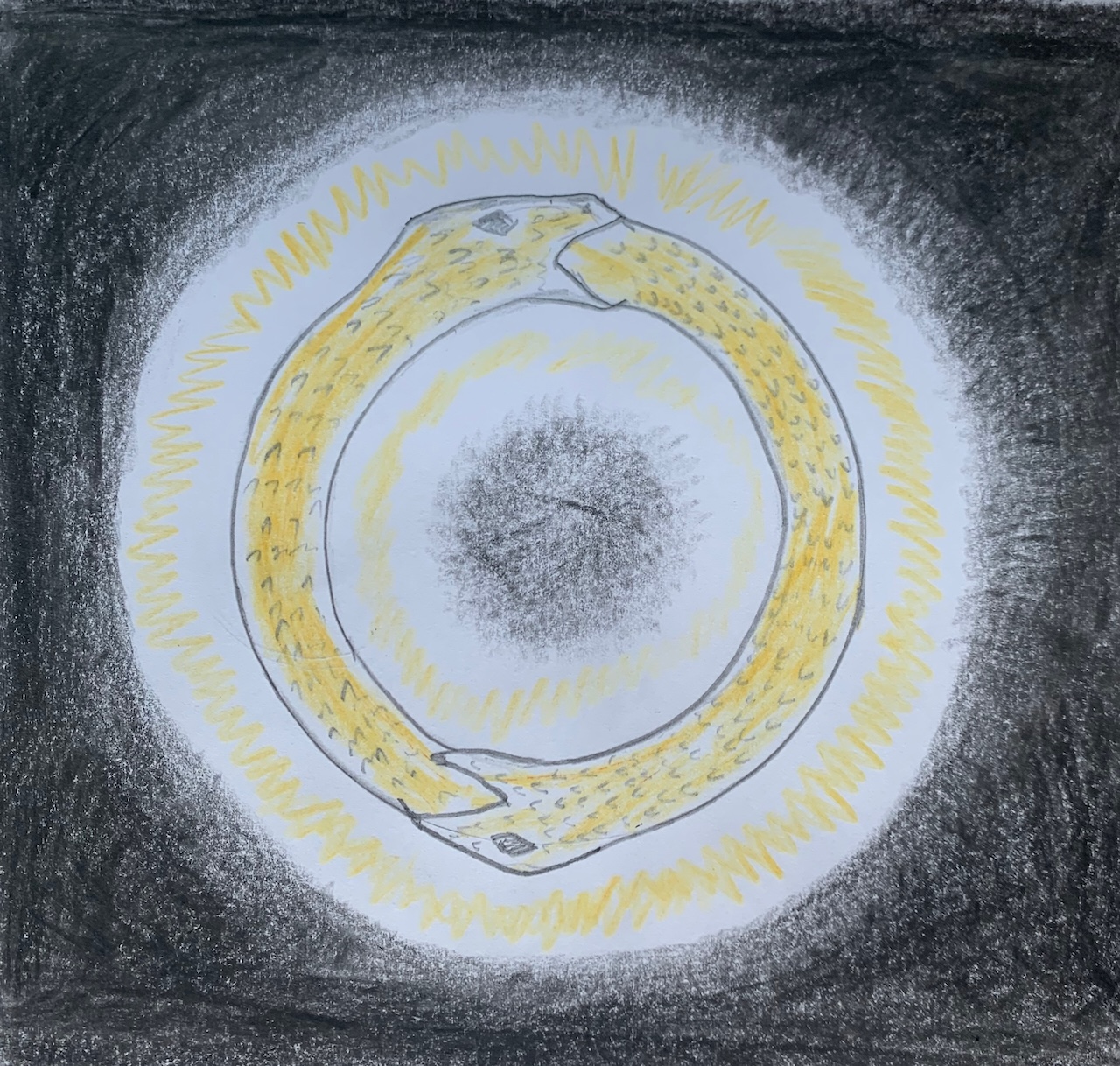
      Gwyn also gave me a symbol to represent the King of Annwn Cycle – His golden ring with two serpents biting one another’s tails. This double ouroboros has meaning for me on many levels. Driving the cosmic cycle are the battles between the red and white serpents, between Gwyn and Gwythyr, and this also represents how patron and devotee, the Gods and humanity, feed upon and nourish one another.

      In response to this and to other inspirations I have updated my Patreon tiers to reflect that I am able to give more and thus perhaps to ask for a little more in return.

      ~

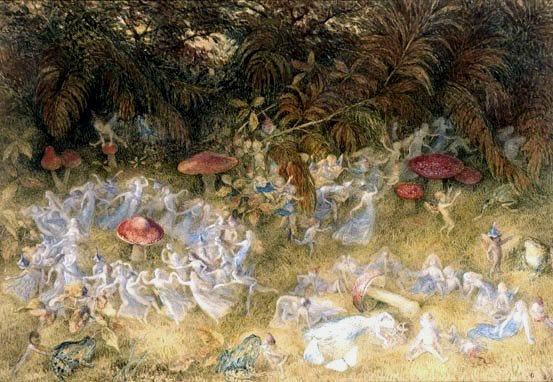
      £1 Fairy Ring

      You will have access to a quarterly patron only online Q & A session and discussion on Annuvian / Faerie lore and exploring Annwn and building relationships with its Gods and spirits.

      £2.50 News from Sister Patience

      You will receive the aforementioned and my quarterly newsletter on the equinoxes and solstices in which I will share news about my life as a polytheist nun through the seasons.

      £4 Visions from the Mist

      You will receive the aforementioned and fortnightly patron only posts where I will share visions and experiences from journeys and spirit work which I will not be sharing in public.

      £7 King of Annwn Cycle Excerpts

      You will receive the aforementioned and monthly patron only excerpts from my King of Annwn Cycle.

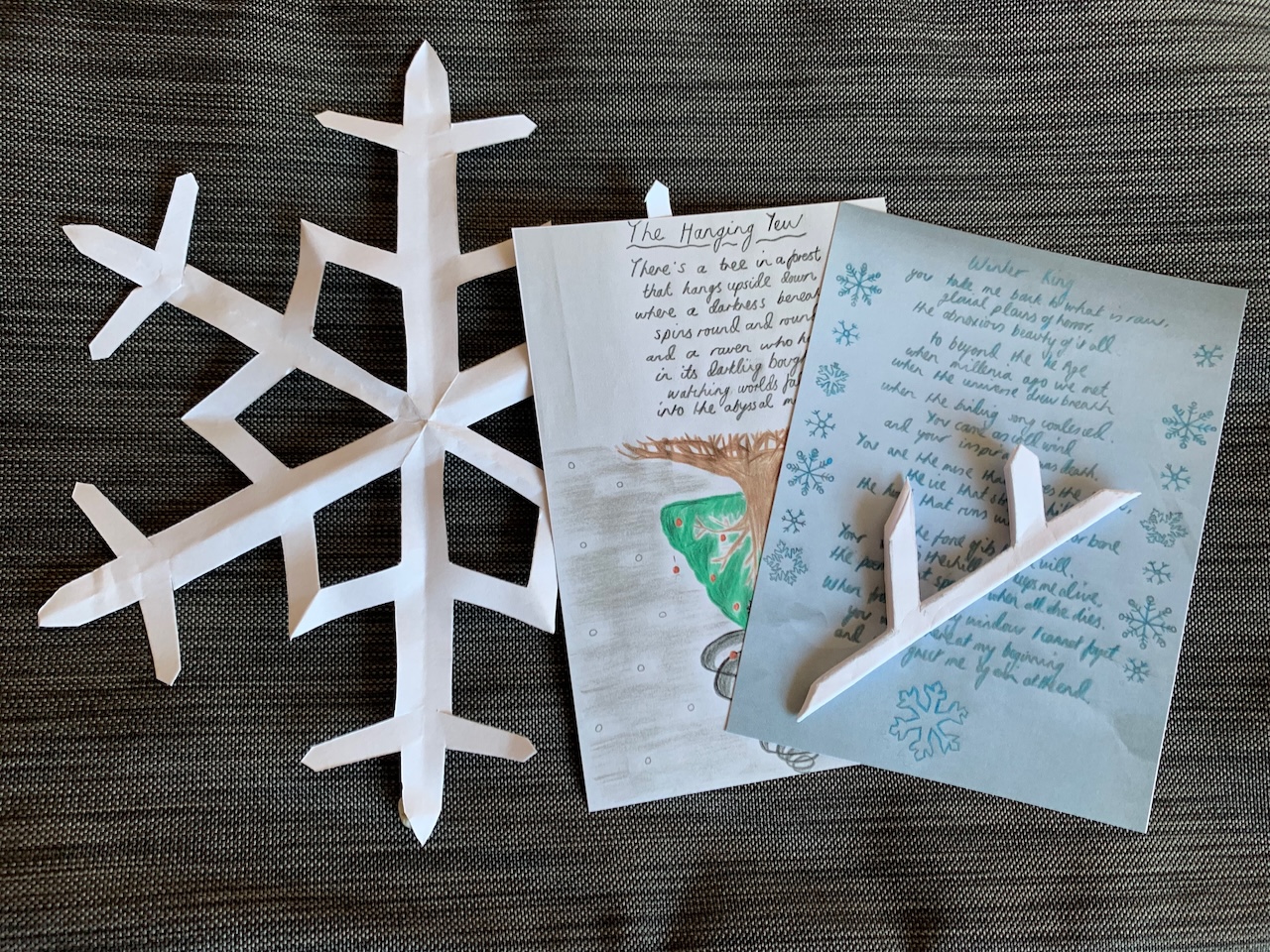
      £10 Winter Gifts

      You will receive the aforementioned and winter gifts in the post at the Winter Solstice which will include illustrated poetry, drawings, and print outs of my best work.

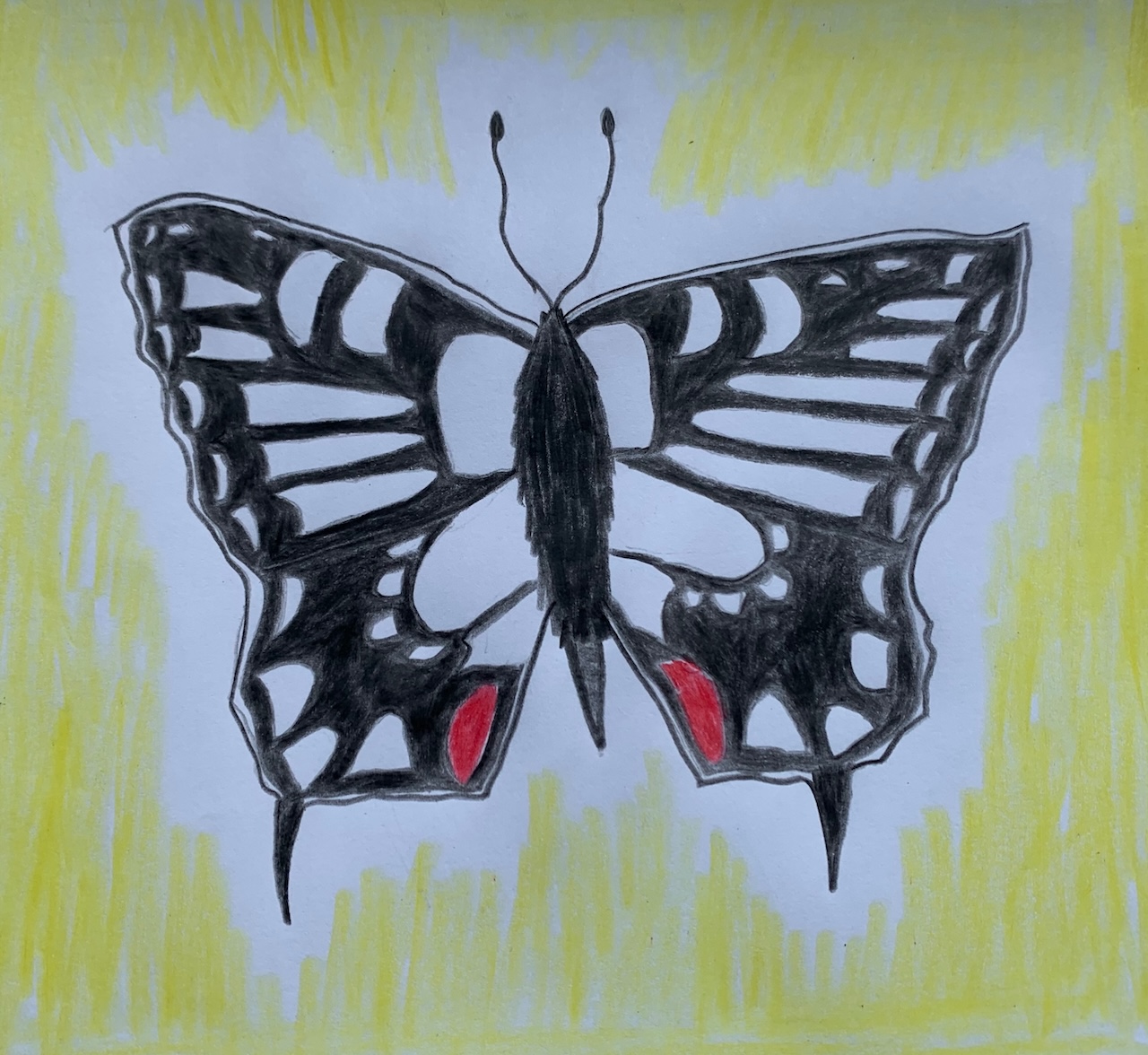
      £12 Annuvian Butterflies

      You will receive the aforementioned and up to four 30 minute soul guidance sessions per year which can include divination and explorations of Annwn, its Deities, and the lore.

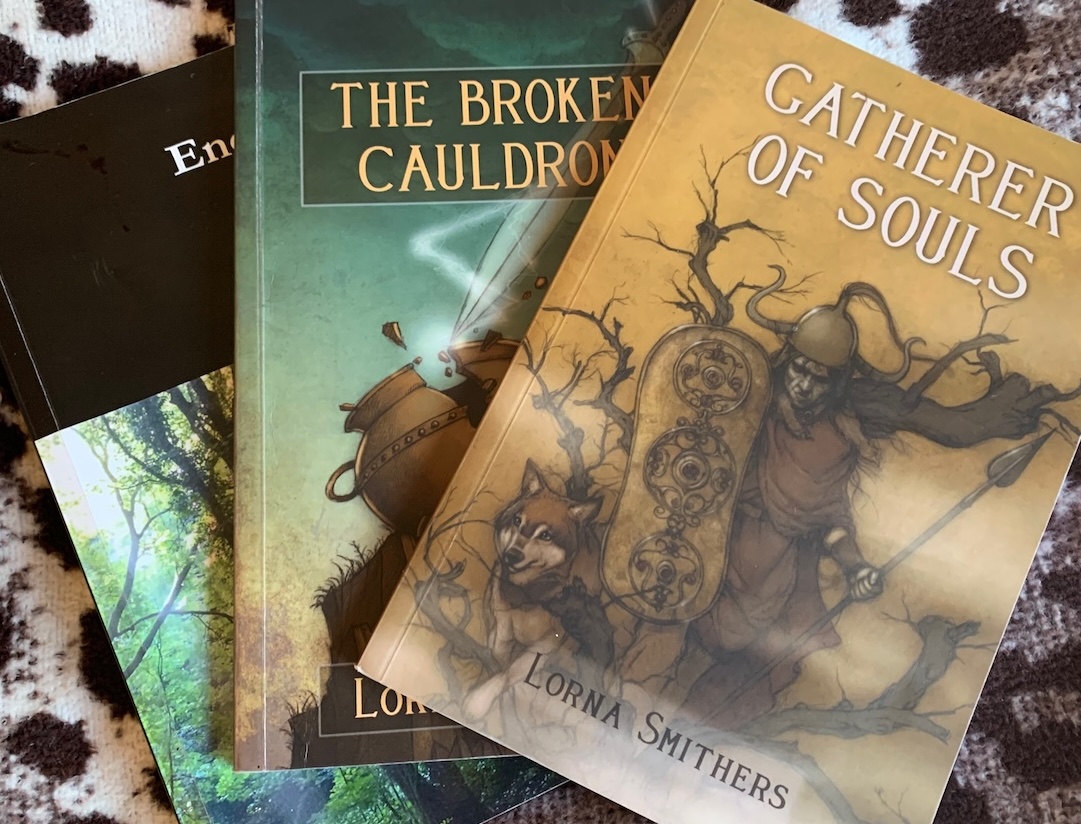
      £15 Mythic Books

      You will receive the aforementioned, free PDFs of my existing books on joining, your name in my future books and free print and digital copies when they are published.

      You can join my Patreon HERE.

      Annwn and the Dead – Those Who Live On

      Introduction – Who Lives On?

      In ‘The Conversation of Gwyn ap Nudd and Gwyddno Garanhir’, Gwyn, a ruler of Annwn and gatherer of souls, speaks the following lines:

      ‘I was there when the warriors of Britain were slain
      From the east to the south;
      I live on; they are dead.’ (1)

      Here Gwyn draws a distinction between Himself living on and the mortal warriors who have died. He and His people, the spirits of Annwn or fairies, are immortal or at least very long-lived. Annuvian figures are often capable of returning from death (for example the Green Knight) and although there have been sightings of fairy funerals they are rare occasions of exceptional sadness.

      In my last two articles I argued that Annwn is primarily a world of the living to which Gwyn and His people guide the souls of the dead to be reborn from His magical vessel of rebirth – the Cauldron of the Head of Annwn.

      I then cited evidence for certain souls, such as the souls of inspired bards and brave warriors, living on for longer and perhaps attaining immortality. In this article I will be examining other examples and exploring the reasons why some souls pass into new lives and others choose, or are chosen, to live on.

      1. Inspired Bards

          Previously I showed how Taliesin stole the awen from the cauldron and became ‘unfettered’ from the cycle of reincarnation as an inspired bard.

          Taliesin claims his ‘native abode / is the land of the Cherubim’ and boasts of visiting the Court of Don and the fortresses of Gwydion and Arianrhod. (2) The abodes of the Children of Don are located in the landscape of Wales and in the stars. According to Charles Squire, the Court of Don is Cassiopea, Caer Arianrhod the Northern Crown, and Caer Gwydion the Milky Way. (3) Taliesin thus might be seen to join the immortal Gods feasting in the Heavens.

          This might explain where he gained his ‘two keen spears: / from Heaven did they come’ (4) which he used to pierce the monsters of Annwn in ‘The Battle of the Trees’.

          Taliesin brags about singing a ‘harmonious’ song in Caer Siddi ‘The Fairy Fort’. Considering he raided this Annuvian fortress one wonders whether this was a victory song he is claiming is superior to the songs of the fair folk.

          The long-lived, or immortal, spirit of Taliesin has been invoked and channelled by bards for many centuries and modern bards, such as Kevan Manwaring and Gwilym Morus-Baird continue this practice in the present day.

          Yet Taliesin is not the only bard whose spirit continues to live on. Another well-known example is Myrddin (Merlin). After dying a three-fold death (5) at the hands of shepherds at the confluence of Pausalyl Burn and the river Tweed in Drumelzier he continues to prophecy from his grave at Aber Caraf.

          ‘He who speaks from the grave
          Knows that before seven years
          |March of Eurdein will die.

          I have drunk from a bright cup
          With fierce and warlike lords;
          My name is Myrddin, son of Morvyn’. (6)

          Myrddin spoke through me resulting in a poem called ‘Myrddin’s Scribe’. This happened at a time when I was researching his lesser-known story as the northern British wildman Myrddin Wyllt and he continues to speak to others. His northern origins have been investigated by a series of scholars from William Skene to Nikolai Tolstoy, Tim Clarkson and William A. Young. Only recently have they grown in public recognition enough to warrant the initial plans for the building of a ‘Merlin Centre’ at Moffat in Annandale. (7)

          Other bards included with Taliesin amongst the Cynfeirdd ‘early poets’ who might live on include Talhaearn Tad Awen, Aneirin, Bluchbardd and Cian.

          2. The Brave not the Cowardly

          The Cauldron of the Head of Annwn ‘does not boil a coward’s food’ (8). This statement might be read on a number of levels. It could refer to the tradition of the champion’s portion, or the ‘food’ or ‘meat’ might be a metaphor for awen. Awen carries connotation of inspiration and destiny which are breathed into a person by the Gods (9) at auspicious moments including rebirth.

          An ambiguous image on the Gundestrup Cauldron might represent rebirth in either world. Are the warriors plunged headfirst into the cauldron by a deity with a hound, likely Gwyn, riding away to a mortal life in Thisworld or to join Him and His people, living on, perhaps forever, as magical huntsmen? 

          In the Norse myths the spirits of courageous warriors join Odin feasting in Valhalla. Might brave souls be similarly rewarded by joining Gwyn’s feast?

          This is suggested in the writing of Pomponius Mela who records a druidic doctrine ‘commonly known to the populace so that warriors might fight more bravely, that the spirit is eternal and another life awaits the spirits of the dead’. (10)

          Our evidence comes from warrior cultures but there is no reason to restrict the concept of bravery to warriors. In my personal experience any person might be rewarded for their courage by joining Gwyn on His hunt and at His feast.

          3. Speaking Heads

          In the Second Branch of The Mabinogion after Bendigeidfran is slain in battle he asks seven survivors, including Pryderi and Taliesin, to cut off his head and to feast with it for seven years in Harlech and for eighty years in Gwales. He tells them, ‘And you will find the head to be as good company as it ever was when it was on me’. (11) True to his word, ‘Having the head there was no more unpleasant than when Bendigeidfran had been alive with them’. (12) 

          This is suggestive of Brythonic beliefs about the soul residing in the head and being able to live on there after death. It suggests Bendigeidfran’s spirit was so strong it played a role in delaying the process of decomposition (although there are other factors at play in the pausing of time such as the singing of the birds of Rhiannon and the door that should not be opened). His spirit lived on in his head after death for at least eighty-seven years, continuing to speak with and counsel the seven companions.

          We find evidence of this belief amongst the neighbouring Gauls from Roman writers. Diodorus Siculus says in war: ‘They capitate their slain enemies and and attach the heads to their horses’ necks… The choicest spoils they nail to the walls of their houses just like the hunting trophies from wild beasts. They preserve the heads of their most distinguished enemies in cedar oil and store them carefully in chests. These they display proudly to visitors, saying that for this head one of his ancestors, or his father, or he himself refused a large offer of money. It is said some proud owners have not accepted for a head an equal weight in gold, a barbarous sort of magnimity. For selling the proof of one’s valour is ignoble, but to continue hostility against the dead is bestial’. (13)

          This passage, evidencing the tradition of head-hunting, is also suggestive of the belief the soul lives on in the head. More darkly it shows the dangers of one’s head being taken and one’s spirit living on in servitude to one’s enemies through the practice of embalming. This may be why Bendigeidfran was so keen for his people to take his head away before his enemies stole it.

          Bran finally asked for his head to be buried under the Brynfryn ‘White Hill’ in London facing towards France. From thereon it served an atropaic function: ‘for no oppression would ever come from across the sea to this island while the head was in that hiding place’. (14)

          4. Bog Heads and Bog People

          The tradition of the living head is evidenced by the bog heads recovered from the mosslands of present-day Lancashire and Cheshire, which were inhabited by the Setantii, ‘the Reaping People’, at the time of their burial.

          On Pilling Moss district was found ‘the head of a female… wrapped in coarse yellow cloth, with strings of beads. She is described as having a great abundance of hair, of a most beautiful auburn, which was plaited and of great length’ with a necklace of jet beads with ‘one large round amber bead’. (15)

          Other bog heads include another female with plaited hair from Red Moss and male heads from Lindow Moss, Ashton Moss, Worsley, Briarfield and Birkdale. (16)

          Peat bogs, known as mosslands in the north, are formed from Sphagnum mosses, which hold large amounts of water and break down to form peat. They provide anaerobic environments which prevent decay and are heavy in tannins, which preserve organic materials, including skin and organs.

          The Setantii were likely well aware of these magical properties and placed the heads of their ancestors in the bogs so they continued to live on, like the head of Bendigeidfran, offering counsel and / or defending their territories.

          We sometimes also find whole bog bodies such as Lindow Man and Seascale Man. Lindow Man died a ritualised three-fold death (like Myrddin). (17). This ritual killing has been read as a sacrifice to the Gods for aid in battle and as punishment for a criminal but might alternatively be read as a rite which bound his spirit in his body so he would live on. 

          His treatment prior to his death, such as the trimming of his moustache, the manicuring of his fingernails and his consumption of a griddle cake baked from wheat, barley and weed seeds and food, drink or medicine containing mistletoe pollen (18) are suggestive of preparation for a special fate, perhaps living on as a guide, for which he was chosen by his tribe and / or by the Gods.

          5. The Venerable Dead

          Prehistoric burial mounds look very much like houses for the dead. Indubitably they were created to appear this way for this reason. Thus it might be suggested that the spirits of the dead were believed to abide there or to return there at specific times in order to counsel the living. 

          Burials with grave goods, which include all the accoutrements needed in life, such as clothing, armour, weapons, games, jewellery, make-up sets, eating equipment and food, show the soul is believed to live on after death.

          A number of suggestions about what it did in the afterlife might be made. Perhaps the soul was seen to reside in the burial mound or to move on to the Otherworld or perhaps it was able to move between the worlds at will. 

          That the soul remained in the mound or sometimes returned is suggested by the evidence of ritual feasts that might have taken place at liminal times such as Nos Galan Gaeaf when the veils between the worlds were thin. This way venerable ancestors might have lived on as counsellors and guides.

          6. The Angry and Vengeful Dead

          Whereas there were some persons who were chosen to live on there were others who certainly were not – enemies, criminals, the angry and vengeful.

          Whilst some severed heads were placed in a bog to preserve the facial features of an ancestor some heads were mutilated perhaps with the intent of preventing the spirit from residing in the skull. Examples include the head from Briarfield which was ‘deposited in a defleshed state without the mandible’ and four defleshed skulls from the Thames. (19) The disarticulation of corpses and their binding (20) might have served a similar function. These practices suggest some spirits who lived on might have been powerful enough to raise their bodies and return physically from the dead.

          Will Parker associates such dismemberments with the ‘devils’ of Annwn who are contained by Gwyn ap Nudd to prevent the destruction of the world. (21)

          7. Witches of Annwn

          Another group of individuals who were relentlessly persecuted and the likes of Arthur and his warriors seriously did not want to live on were the witches of Annwn. 

          This term appears in the poetry of Dafydd ap Gwilym: 

          ‘Unsightly fog wherein the dogs are barking,
          Ointment of the witches of Annwfn.’ (22)

          It refers to a Gallo-Brythonic tradition of magic-workers whose powers and inspiration came from Annwn. Their practices are recorded on ritual tablets from ancient Gaul. On the Tablet of Chamalieres (50 AD) a group of male magic-workers invoke the Andedion ‘Underworld God(s) / Spirits’, Maponos and Lugus for aid in battle and the Tablet of Larzac (90 AD) records the ‘prophetic curse’ of a group of female ‘practitioners of underworld magic’.  (23) 

          Others existed in ancient Britain for example the black-robed women who defended Anglesey from the invasion of the Romans with the Druids in the account of Tacitus. ‘Women in black clothing like that of the Furies ran between the ranks. Wild-haired they brandished torches. Around them, the Druids, lifting their hands to the sky to make frightening curses frightened (the Roman) soldiers with this extraordinary sight. And so (the Romans) stood motionless and vulnerable as if their limbs were paralysed’. (24)

          The Christian persecution of these uncanny figures is recorded in our myths. At the end of Peredur son of Efrog the eponymous ‘hero’ slays the nine witches of Caer Loyw. A witch is killed in a specific way. ‘Peredur drew his sword and struck the witch on the top of the helmet, so that the helmet and all the armour and the head were split in two’. (25) The splitting of the head may be a ritual maneuver to prevent a witch’s soul from living on.

          Arthur kills Orddu, ‘Very Black’, a hag who lives in a cave ‘in Pennant Gofid in the uplands of Hell’ in a similar manner. ‘Arthur… aimed at the hag with Carwennan, his knife, and struck her in the middle so she was like two vats.’ (26) Her severing in twain was likely intended to serve the same function.

          From personal experience I know Arthur’s ploy was unsuccessful. On her death Orddu joined the spirits of Annwn and lives on with her mother, Orddu, and other witches of Annwn as guides to the magical tradition of the Old North.

          Conclusion – To Live On or Not to Live On?

          In this essay I have shown that certain persons choose, or are chosen by their people and / or the Gods to live on after death. It is likely they were chosen for personal qualities such as inspiration, bravery and wisdom to become ancestral guides with whom their people could commune. 

          On the other hand people went to great lengths to prevent the vengeful dead from returning. One example, from the not so distant past, is the burial of the ‘witch’ Meg Shelton face down with a boulder on top in St Anne’s graveyard in Woodplumpton, not far outside Preston, near my home, in 1705.

          In ancient Britain, in a polytheistic society, in which the people lived in constant communion with the Gods and spirits there would have been a much deeper awareness of the processes surrounding whether a spirit lived on along with a knowledge of the rites for maintaining and dismissing their presence.

          As the old ways return the question arises who amongst us might choose or be chosen to live on and, if given the choice, what answer we might give.

          1. Hill, G. (transl), ‘The Conversation between Gwyn ap Nudd and Gwyddno Garanhir’, Awen ac Awenydd 
          2. Parker, W. (transl), The Mabinogion, (University of California Press, 2008), p173
          3. Squire, C. Celtic Myth and Legend, (1905), p252-3 https://sacred-texts.com/neu/celt/cml/index.htm
          4. Haycock, M. (transl), Legendary Poems from the Book of Taliesin, (CMCS, 2007), p183, l187-188
          5. He is beaten with stones, tumbles into the water and drowns, and is impaled on a stake. E. Lawrence, ‘Threefold Death and the World Tree’, Western Folklore, Vol. 69, No.1, p92
          6. Jones, M. ‘A Fugitive Poem of Myrddin in his Grave’, Mary Jones Celtic Literature Collective, l1-6, https://www.maryjones.us/ctexts/h02.html
          7. Breen, Christie, ‘September date for Merlin study release’, DnG, https://www.dng24.co.uk/september-date-for-merlin-study-release/
          8. Haycock, M. (transl), Legendary Poems from the Book of Taliesin, (CMCS, 2007), l17
          9. Awen shares a similar root to awel ‘breath’ and the cauldron is kindled by the breath of nine maidens – likely Morgana and Her sisters.
          10. Koch, J. The Celtic Heroic Age, (Celtic Studies Publications, 2003), p32
          11. Davies, S. (transl.), The Mabinogion, (Oxford University Press, 2007), p32
          12. Ibid. p34
          13. Koch, J. The Celtic Heroic Age, (Celtic Studies Publications, 2003), p13
          14. It remained there until it was dug up by Arthur – one of ‘Three Unfortunate Disclosures’. Davies, S. (transl.), The Mabinogion, (Oxford University Press, 2007), p34, p237
          15. Lamb, J. ‘Lancashire’s Prehistoric Past’ inSever, L. (ed.), Lancashire’s Sacred Landscape, (The History Press, 2010), p27
          16. Barrowclough, D. Prehistoric Lancashire, (The History Press, 2011), p206
          17. He was hit on the head, garroted, then he drowned in the bog.Joy, J. Lindow Man, (The British Museum Press, 2009), p38 – 44.
          18. Ibid. p29
          19. Barrowclough, D. Prehistoric Lancashire, (The History Press, 2011), p209
          20. Ibid. p205
          21. Parker, W., The Four Branches of the Mabinogi, (Bardic Press, 2005), p645
          22. Gwilym ap, D. Poems, (Gomer Press, 1982), p134
          23. Koch, J. The Celtic Heroic Age, (Celtic Studies Publications, 2003), p1-3
          24. Ibid. p34
          25. Davies, S. (transl.), The Mabinogion, (Oxford University Press, 2007), p102
          26. Ibid. p213

          BIBLIOGRAPHY

          Aldhouse Green, M., Dying for the Gods: Human Sacrifice in Iron Age and Roman Europe (The History Press, 2002)
          Barrowclough, D. Prehistoric Lancashire, (The History Press, 2011)
          Breen, Christie, ‘September date for Merlin study release’, DnG, https://www.dng24.co.uk/september-date-for-merlin-study-release/
          Cooper, A., Garrow, D., Gibson, C., Giles, M., Wilkin, N. Grave Goods: Objects and Death in Later Prehistoric Britain, (Oxbow Books, 2022)
          Davies, S. (transl.), The Mabinogion, (Oxford University Press, 2007
          E. Lawrence, ‘Threefold Death and the World Tree’, Western Folklore, Vol. 69, No.1, p92
          Fahey, R. ‘Mystery of 80 bound skeletons found in mass grave explained by items found with their remains’, The Mirror, (2021)
          Guest, C. (transl), The Mabinogion, (1838)
          Gwilym ap, D. Poems, (Gomer Press, 1982)
          Haycock, M. (transl), Legendary Poems from the Book of Taliesin, (CMCS, 2007)
          Hill, G. (transl), ‘The Conversation between Gwyn ap Nudd and Gwyddno Garanhir’, Awen ac Awenydd
          Hughes, K. 13th Mt Haemus Lecture: Magical Transformation in the Book of Talieisn and The Spoils of Annwn, (OBOD, 2019)
          Jones, M. ‘A Fugitive Poem of Myrddin in his Grave’, Mary Jones Celtic Literature Collective
          Joy, J. Lindow Man, (The British Museum Press, 2009)
          Koch, J. The Celtic Heroic Age, (Celtic Studies Publications, 2003)
          Morus-Baird, G. Taliesin Origins, (Celtic Source, 2023)
          Sever, L. (ed.), Lancashire’s Sacred Landscape, (The History Press, 2010)
          Squire, C. Celtic Myth and Legend, (1905), p252-3 https://sacred-texts.com/neu/celt/cml/index.htm