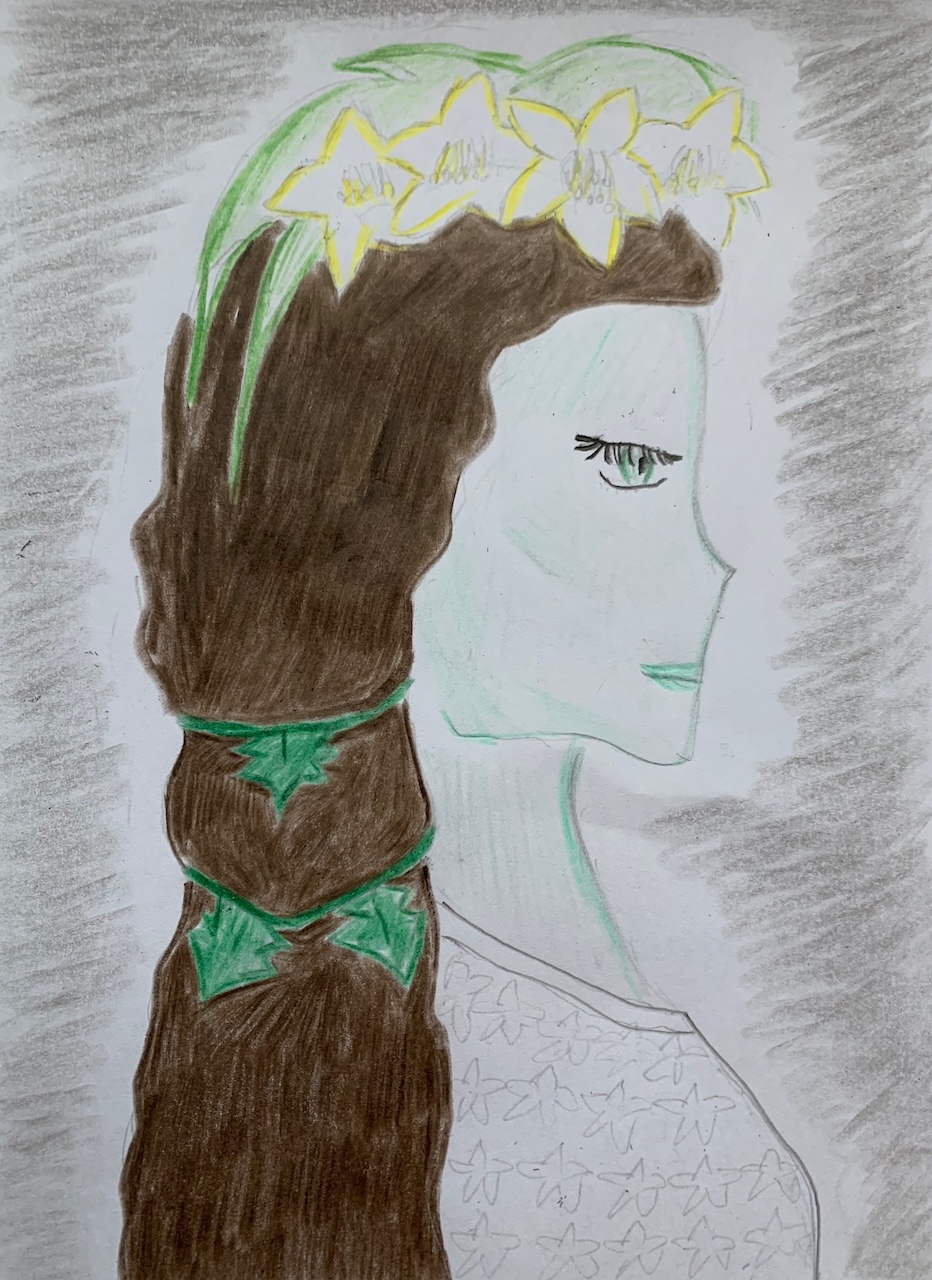
Creiddylad as Winter Queen with Christmas Rose (Helleborus niger) and ivy (Hedera helix) which are both prominent in Creiddylad’s garden at this time.
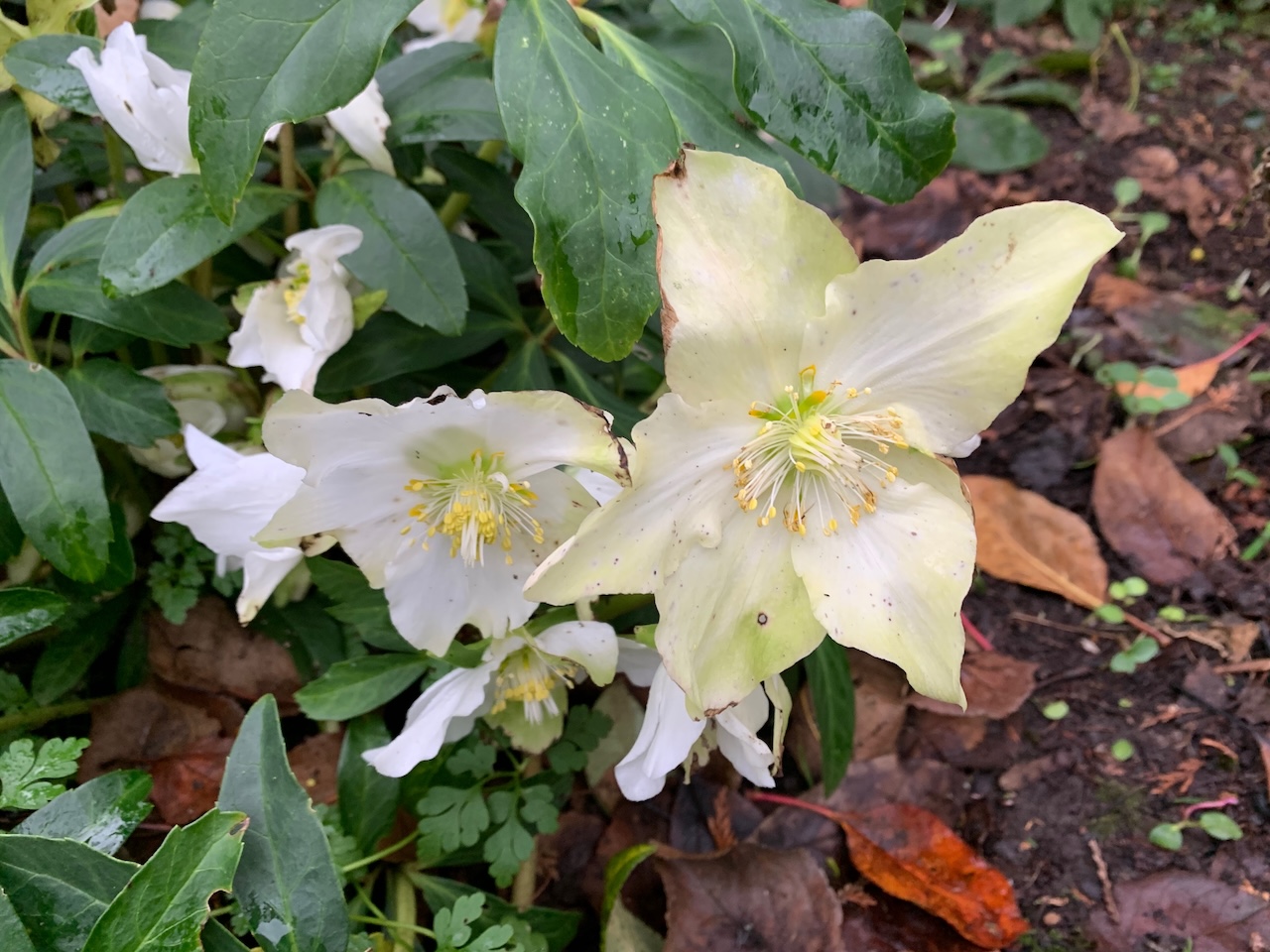

Creiddylad as Winter Queen with Christmas Rose (Helleborus niger) and ivy (Hedera helix) which are both prominent in Creiddylad’s garden at this time.
I.
You tell me summer
is not a time for absence
but for presence,
to be HERE in Creiddylad’s garden
with these plants I have sown,
watered, nurtured, grown.
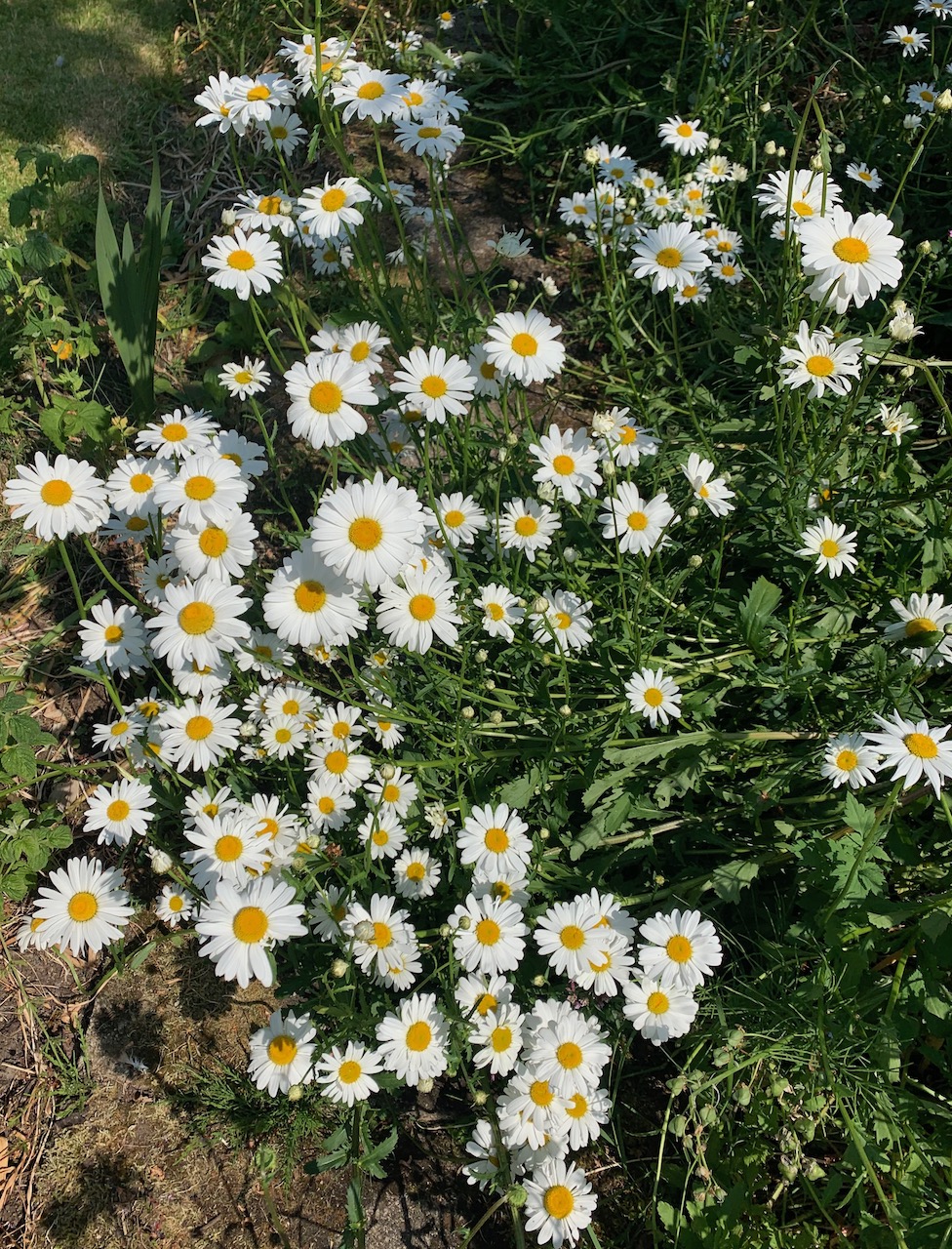
A thousand oxeye daisies
reminding me of Your colourful ox
and the thousand names for You and Creiddylad
forgotten but one day will be sung
again by your awenyddion.
The meadow cranesbill
that reminds me of Your conversation
with Gwyddno Garanhir the wise crane dancer.
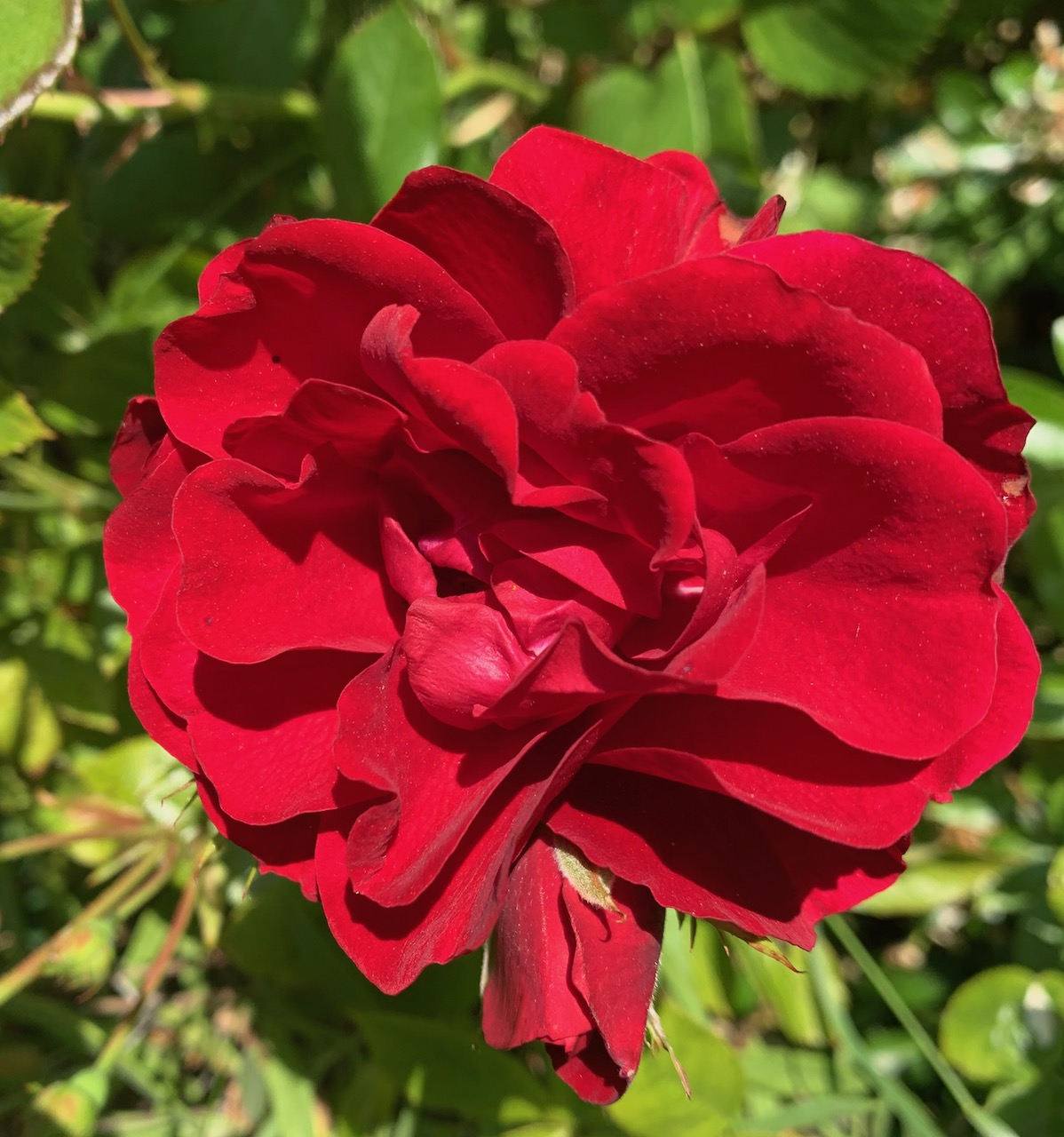
The roses that should have been white and red
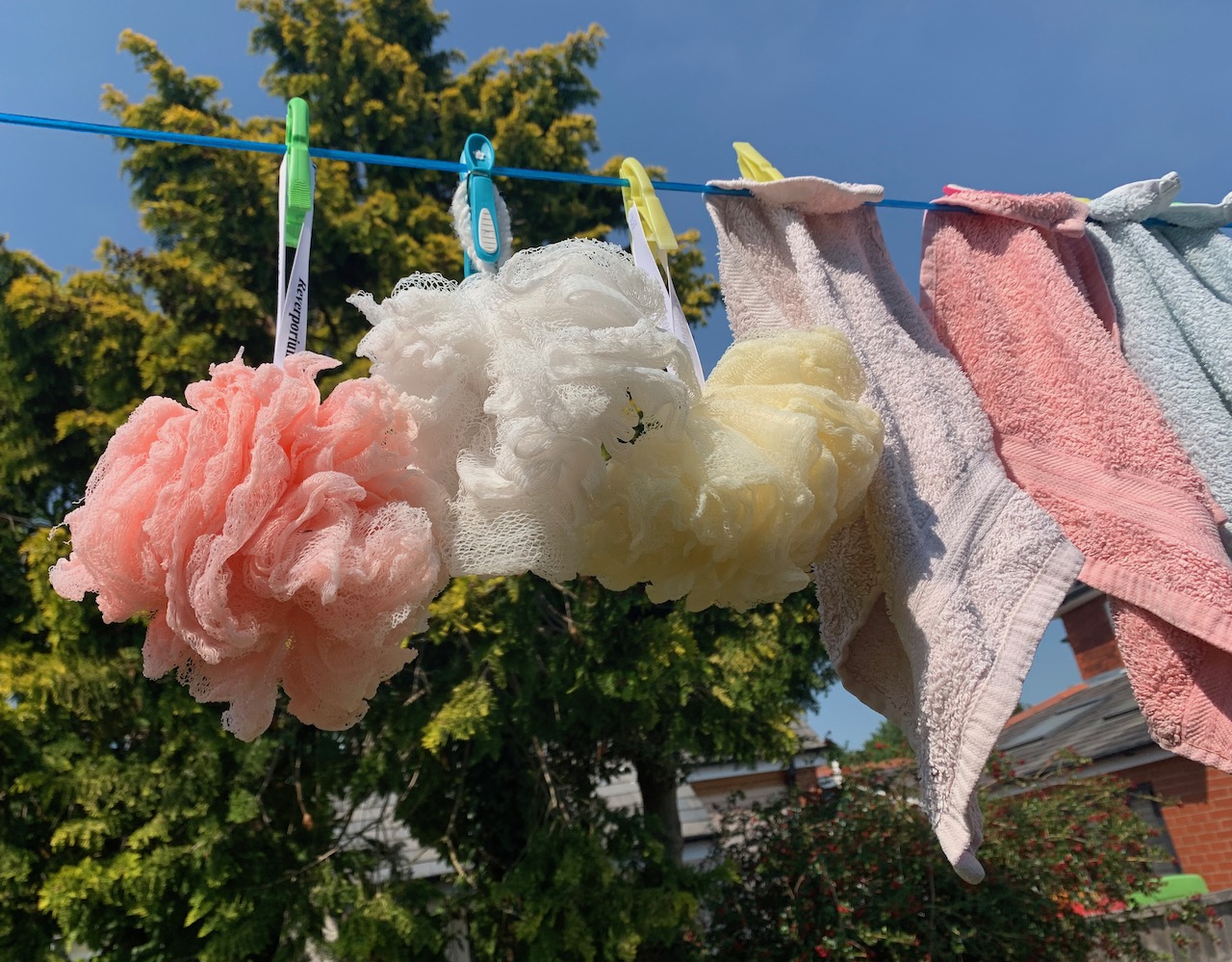
but white was pink as a bath puff.
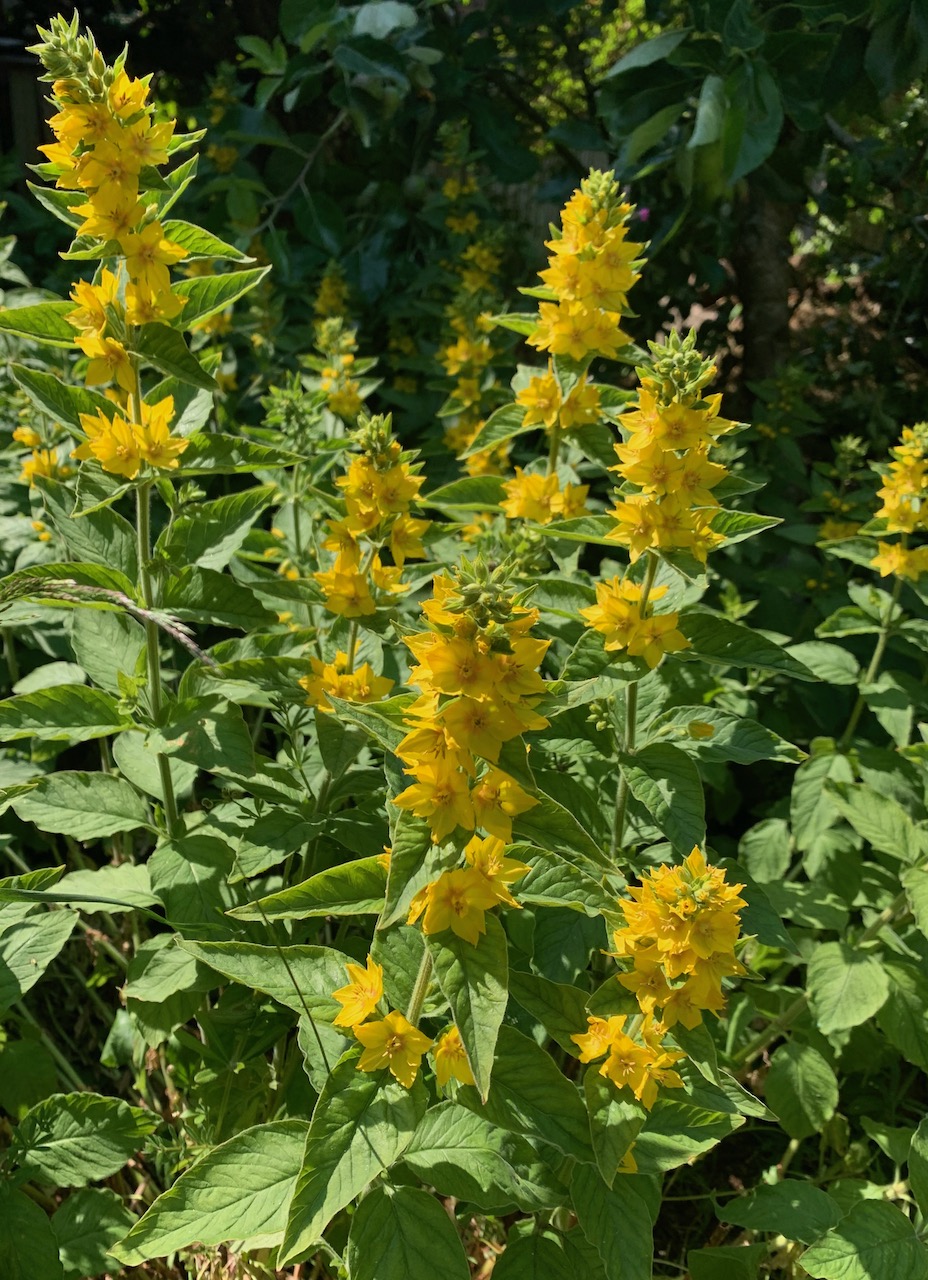
The yellow loosestrife my wand.
The foxgloves in which I would build
our monastery if only they lasted all year round.
That I am slowly becoming Sister Patience – I am.
II.
And I dream they put me in hospital
because flowers are growing
between my toes.
I joke about
becoming a flower maiden
but I fear they have taken root
in my flesh, intertwining with my veins,
with my nerves, might be sinking into my soul.
Am I not a beast, another Afagddu, Your dark one?
III.
I laugh about the tales of flower maidens
who become thorns and owls.
I could never desert You,
turn my face towards
the sun god like an oxeye daisy.
The flowers wilt and fall from my feet one by one
as I walk from Thisworld to the Otherworld to Your tomb
as Your apprentice, Your awenydd, as Your nun,
to speak my poetry as You lie
in Annwn’s silence.
*A poem addressed to Gwyn ap Nudd, my patron God, the lover of Creiddylad, who spends winter with Gwyn and summer with His rival Gwythyr.



How do you honour the death of your God?
This is a question many religions have an answer to. One of the most obvious is Christianity with the traditions surrounding the death of Jesus. Within Paganism and Polytheism rites have been developed for many Gods (often grain Gods) including Osiris, Tammuz and figures such as John Barleycorn.
When I started worshipping Gwyn ap Nudd over ten years ago I found out on Calan Mai He fights a battle against His rival, Gwythyr ap Greidol, for His beloved, Creiddylad. Although it isn’t explicit within the source material (1) parallels with other seasonal myths (2) suggest that Gwyn, as Winter’s King, is defeated by Gwythyr, Summer’s King (3) at the turn of summer, ‘dies’, and enters a death-like sleep. He then returns at summer’s end to take Creiddylad to Annwn and assert His rule as Winter’s King.
For most Pagans and Polytheists Calan Mai / Beltane is a fertility festival. The rites of dancing of the May Pole, and crowning of a May / Summer King and Queen have a basis in the sacred marriage of Gwythyr and Creiddylad.
Even before I realised I was asexual I always felt like an outsider on Calan Mai. Whilst I enjoyed the white flowers and verdant energy I never got into the full swing of the celebrations (at least not without a large amount of alcohol).
Then I met Gwyn and found out this was the time of His death. I have now come to understand why it is bittersweet – finding joy in the new growth on the one hand and feeling His loss and commending His sacrifice on the other.
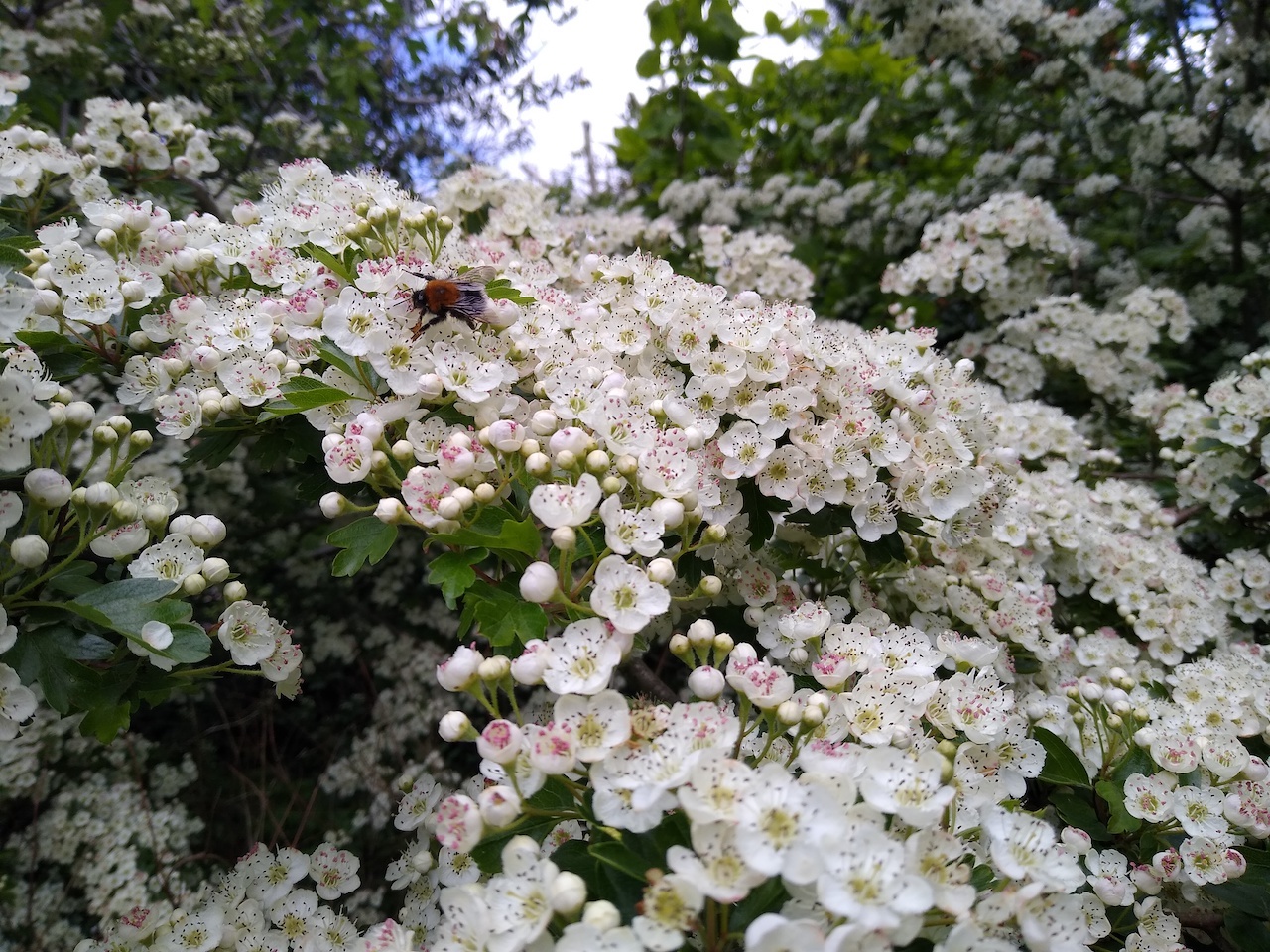
‘From the blood of the King of Annwn
the hawthorn blossoms grow.’
Slowly, Gwyn has revealed to me visions of the mythos surrounding His death and ways of honouring it within my personal practice as a Polytheist.
It happens slightly differently every year but I present here a ‘core narrative’ and the rites by which I navigate this difficult time in my seasonal calendar.
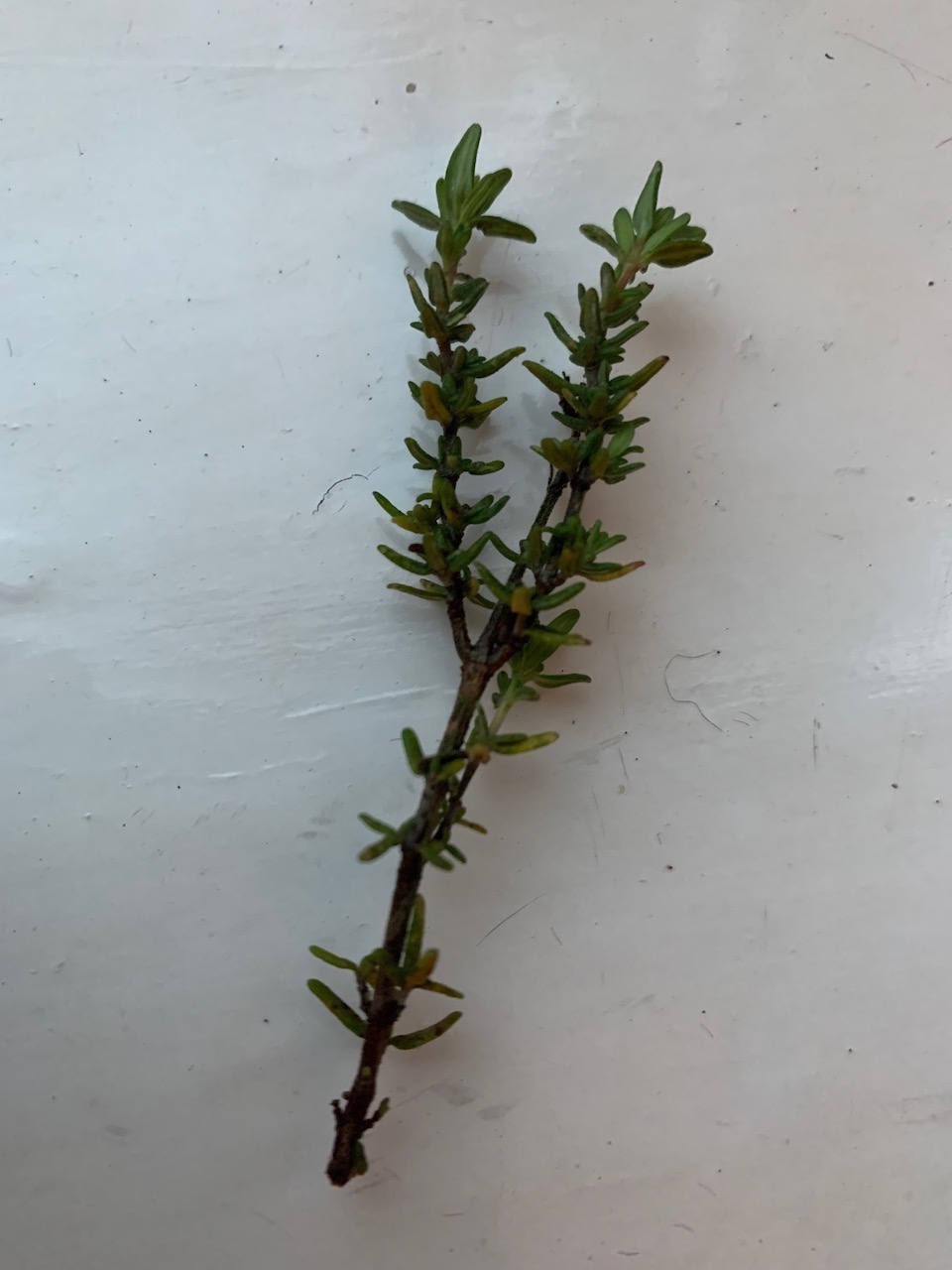
On Nos Galan Mai I offer Gwyn a sprig of thyme for courage and recite my poem ‘If I Had To Fight Your Battle’ and then meditate on its meaning.
At dawn on Calan Mai I visit Him in spirit as He dons His armour and makes His way to ‘the Middle Ford’, Middleforth on the Ribble, which is the place within my local landscape where His battle takes place and there speak my farewells.
Later in the day I go for a walk and look out for signs of the battle of Gwyn and Gwythyr. I often see Them as warriors, animals, or dragons in the clouds. On one occassion I heard ‘We are the Champions’ playing at a May Day fair.
I place the sprig of thyme at the Middle Ford then look out for signs of Gwyn’s death.
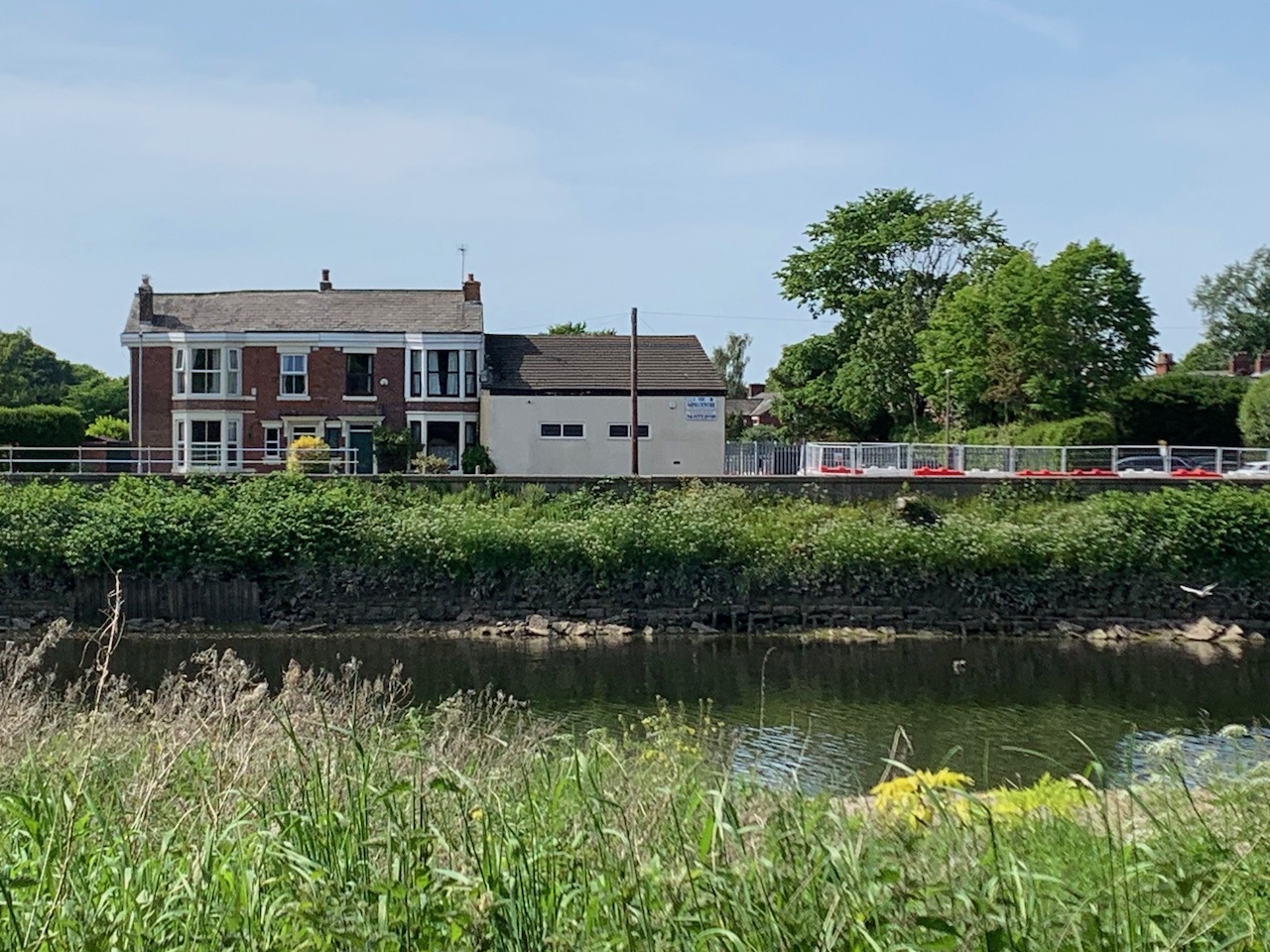
Gwyn’s death takes place before dusk and I have felt it signalled by sudden cold, the coming of rain, and a feeling of melancholy. Once, when I was running, I got the worst stitch ever, like I’d been stabbed in the side, knew it was Gwyn’s death blow and received the gnosis His death was bad that time.
I pay attention to the hawthorn, a tree of Creiddylad’s, symbolic of Her return.
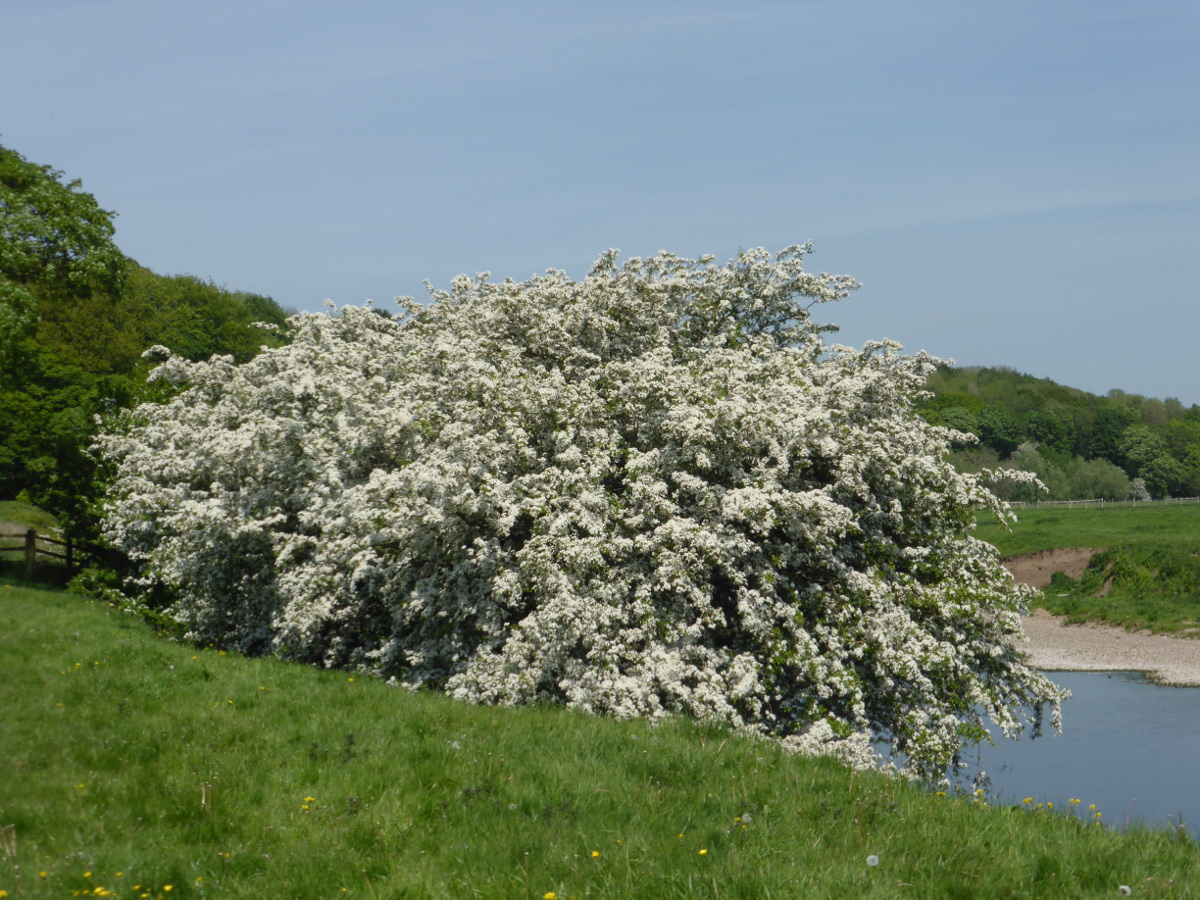
In my evening meditation I bear witness to Gwyn being borne away from the scene of battle by Morgana and Her sisters (4) who appear as ravens, crows, or cranes. They take Him and lay Him out in His tomb in the depths of His fortress in Annwn. His fort descends from where it spins in the skies (5) and sinks into the Abyss (6) to become Caer Ochren ‘the Castle of Stone’ (7).
I then join Morgana and Her sisters and other devotees from across place and time saying prayers of mourning for Gwyn and spend time in silence.
Three days later Morgana and her sisters heal Gwyn’s wounds and revive Him from death. This a process I have taken part in and was powerful and moving. He then remains in a death-like sleep over the summer months.
I would love to hear how other Polytheists honour the deaths of their Gods.
FOOTNOTES
(1) The medieval Welsh tale of Culhwch ac Olwen (11th C)
(2) Such as the abduction of Persephone by Hades in Greek mythology.
(3) Clues to Their identities as Winter and Summer Kings are found in their names Gwyn ap Nudd ‘White son of Mist’ and Gwythyr ap Greidol ‘Gwythyr son of Scorcher’.
(4) I believe Morgana and her sisters are Gwyn’s daughters through personal gnosis based on the associations between Morgana, the Island of Avalon, and Avallach, the Apple King, who I believe is identical with Gwyn and the possible identification of Morgan and Modron, daughter of Avallach.
(5) ‘the four quarters of the fort, revolving to face the four directions’ – ‘The Spoils of Annwn’.
(6) The existence of an Abyss in Annwn is personal gnosis.
(7) This name is not a direct translation (Marged Hancock translates it as ‘the angular fort’) but comes from Meg Falconer’s visionary painting of Caer Ochren ‘the cold castle under the stone’ in King Arthur’s Raid on the Underworld.
Some say
lily of the valley
is the devil’s daughter
that you should not drink
from her poison cup.
Why so poisonous
now when she sprang from
Creiddylad’s tears clear and pure
when she mourned the death
of Annwn’s King?
Did she speak too much of the impossible?
Did she show her poisonous side?
Her flowers are white and her berries are red.
Was her talk of tears and blood deemed inappropriate
when everyone was celebrating Calan Mai?
Was she banished to the shady vales
where the death hounds bay?
To my suburban garden where
I cultivate dark and poisonous things?

The first half of 2022, for me, was characterised by a disappointing departure from a career in the environmental sector. This was because I couldn’t meet the demands of higher than trainee level jobs due to a lack of people and project management skills and struggles with irregular routine, travel, night work, multi tasking and working under high pressure due to my autism.
This left me burnt out and not so much depressed but facing a depressing reality. In spite of being academically intelligent I will always be restricted to menial day jobs. When I first got my autism diagnosis I was told it would mean I could ask for ‘reasonable adjustments’ in the workplace. However, this did not mean I would be able to stay in jobs where I did not meet all the criteria.

On the upside, my career failures led me back to my spiritual vocation as an awenydd dedicated to Gwyn ap Nudd and what I am really here to do. To where my true passion and abilities lie in my creativity as a writer and poet and journeyer of the deeper realities of thisworld and the otherworld of Annwn.
Whilst I was struggling in my ecology job I was led back by Gwyn to a writing project I began in the first lockdown in which I drafted a book called The Dragon’s Tongue, a Brythonic origins myth, drawing on other Indo-European parallels.
I’d given it up partly because the plot was incoherent and partly because a part of me didn’t want to retell our dragon and giant slaying myths, how the culture Gods have come to dominate the Gods of nature and of Annwn, even though my work was exposing the violence and hegemony by writing the otherside.
What good could come of picking at and opening old wounds when, instead, I could be out on the land, healing the earth by re-wetting and growing and planting?
These questions have remained in my mind as I have been recalled to my mythic project which is manifesting as a three part series of novel length called The Forgotten Gods. The first book, which I am currently focusing on, is called In the Deep. It is a dark and violent book. It begins in Annwn with the slaying of the Dragon Mother, Anrhuna, and the tearing of her children, Vindos and Kraideti*, from the womb by Lugus, one of the Children of Don. Kraideti is taken to the stars and Vindos is flung into the Abyss. The book focuses on His crawling out to win the kingship of Annwn, to find His lost sister and to defend His realm against and to take vengeance on his enemies.
There’s a lot of violence, there’s a lot of descent, but there is also transformation and healing for Vindos succeeds in building from the bones of dead dragons the beautiful kingdom of Annwn we know in our myths today and transforming the sorrows of the dead, who He rules over, into joy at His feast.
Kraideti has a role, with Anrhuna’s dragon children, in the creation of the world and bringing of life and discovers Her power as a Goddess of seasonal sovereignty.

I don’t know why I’ve been given these stories to work with only that I have to. Perhaps there is a process of mythic and/or psychic healing taking place or perhaps the Gods have got me writing them for their own undecipherable reasons.
I have learnt to accept that inspiration does not come with an explanation.
Philosophical ponderings aside, on a practical level, I completed my first full draft of In the Deep before my winter solstice deadline at 127,000 words and 317 pages. It is mainly prose, with interspersed poetry, and of novel length. The core plot works. It has found its form. I am now working on the second draft, expanding and developing sub plots, characters and depictions of the worlds.
Another way in which I have been fulfilling my spiritual vocation is ‘building the Monastery of Annwn’ as ‘a virtual space and place of the sanctuary for those who worship and serve the Gods and Goddesses of Annwn’. This task was assigned to me by Gwyn in April and, since then, I have set up a website and opened the monastery to members. We have formulated ‘the Rule of the Heart’ and ‘Our Nine Vows’. Four of us took the vows in October and are living as monastic devotees of Annwn. We have also started running a monthly meditation group focusing on reading Brythonic texts in a lectio divina style. Beginning with ‘The Conversation of Gwyn ap Nudd and Gwyddno Garanhir’ we have had an excellent introductory talk by translator, Greg Hill, and participants have experienced powerful and insightful meditations.
In terms of outdoor work my departure from an environmental career and commitment to monasticism has led me back to taking better care of our garden and of my local greenspace, Greencroft Valley, where I’m hoping to team up with a newly formed group called ‘Guardians of Nature’ based on the Alderfield allotment to further develop the wildflower meadow and run some local history and plant and tree identification and folklore walks.
In my spiritual practices and writing and work for the monastery I am fulfilled. I am doing what I am really here to do. And I am able to do it because I’m living off savings from my environmental work, live with my parents and receive board and food in exchange for housework and gardening, and receive a very small income from patreon supporters and from book sales.
If you would like to support my writing and receive a quartlery newsletter, exclusive excerpts from In the Deep and other rewards please consider becoming a patron HERE.
*These are ancient British names for Gwyn ap Nudd and Creiddylad. Whilst Vindos is partially attested Kraideti is partly reconstructed, partly made up.
Day Four of Twelve Days of Devotion to Gwyn ap Nudd
I come this fourth day
to consider Your beloved.
How, at the beginning of time
You shared a womb, hearts beating as one.
How You were torn apart, separated, found each other.
How She foresakes You for another lover every year.
How, with each separation, Your love grows stronger.
I think of how I was separated from You
and it took me thirty years to find You
although our paths crossed
and I did not recognise You in the books,
the land, my dreams, although I was searching…
I think of all the times we have been separated,
when I have been woman and/or man,
tree, plant, animal, stone, fungus and bacteria,
how my love for You has grown stronger
since the beginning of time,
the shattering of the cauldron,
since when we all shared a womb.
for the torn apart all the parts of our bodies will ride tonight,
crawl up from the bogs onto our swampy horses,
not the bog bodies who were found,
but those who were not found.
*
You summon back our voices like the mast on Winter Hill.
You make us appear again like television. Your hunt
would make a good film but most times myth
is better told in softly spoken words
and half-seen visions.
Radio broken.
Someone smashed the television.
*
You are always off screen.
You are the one who is not named.
You are the one whose face is the face of a god.
The howls of the wind are the chorus of your hounds,
your words are furies and each has a hand,
clutching, pulling, ripping, tearing.
*
You are the god of illusion
and the rending apart of all illusions.
The one who tears our false truths to shreds.
The jostling elbows, stuck-out toes, the heels dug in.
*
This is the time of fire, flood, rain, and catastrophe,
yet the beech leaves are yellow, gold, and green
in the kingdom beyond the kingdom beyond the kings
and we call you a king without knowing the true meaning
of sovereignty, that your throne means more than gold.
*
Are you silence or the breaker of silence?
So long ago I wrote:
“The universe began
with a howl and from the howl came death.”
The death-hounds within me giving tongue to a mythos
that came to me before my world had begun.
*
AWEN is not always a smooth chant
in the mouths of druids, but the broken vowels
of an awenydd when language cannot help and poetry fails.
Still, the body, its dislocated limbs, remember how to ride tonight.
*
And where is she in all of this? Riding ahead treading air un-abducted?
Did you take her from the underworld or did she take you there?
Time, the clock does not obey, pivots like she on her wild white mare
like a dislocated limb. I have found that myth dislocates too,
frees itself from time and space, free and true.
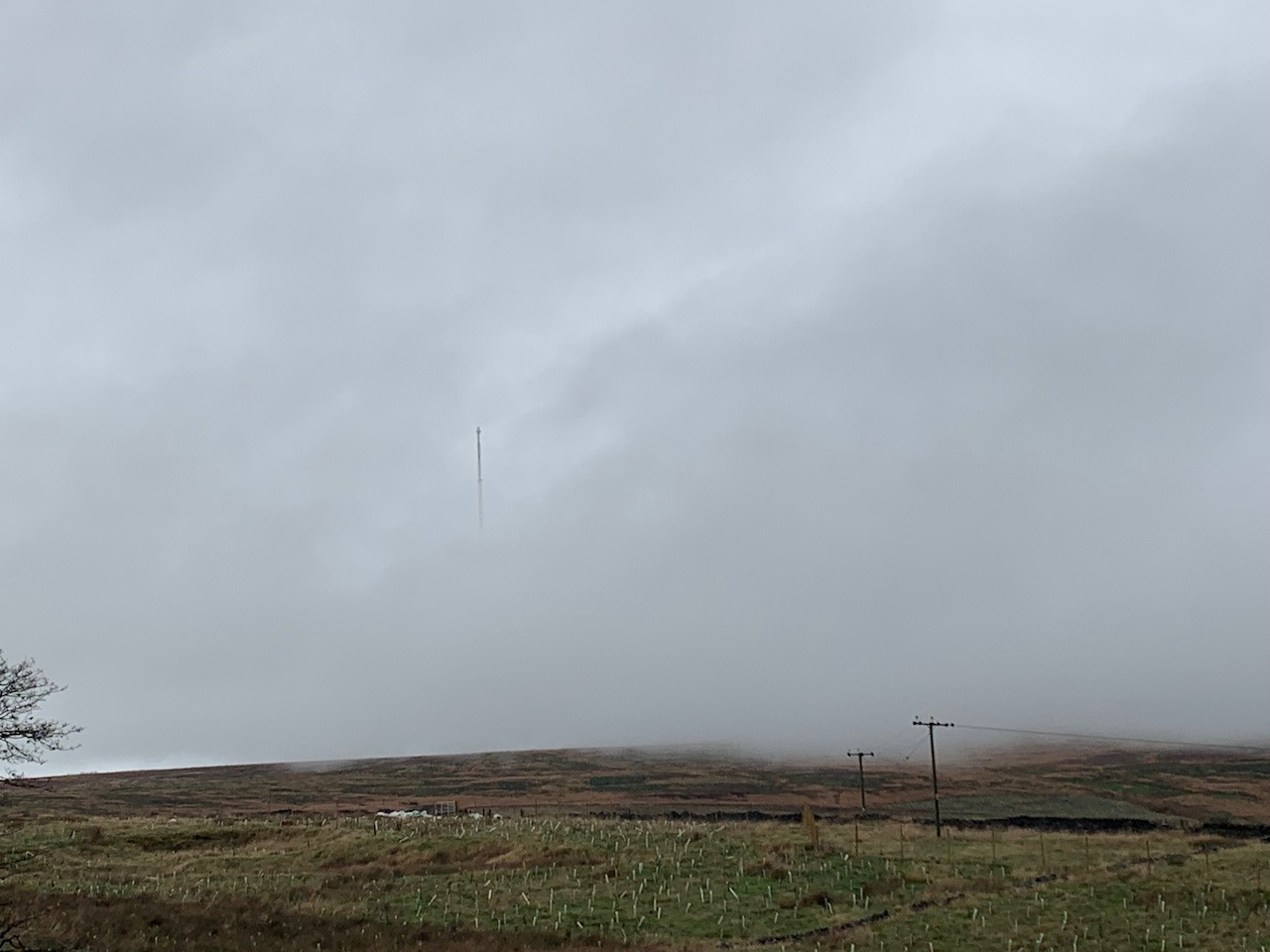
This poem marks the first time I have felt inspired to share something here for a long time, something I felt compelled to share for my god after a walk near Winter Hill on Nos Galan Gaeaf. Maybe there will be more, maybe not, no promises, no deadlines…

Over the next month, on Land Sea Sky Travel, in the Corvids and Cauldrons chatroom, Vyviane Armstrong, Thornsilver Hollysong, Bryan Hewitt, and I are going to be hosting a series of meetings titled Tylwyth Gwyn. In them we are going to be exploring and deepening our devotional relationships with the Brythonic deity Gwyn ap Nudd and his family through shared devotions, practices such as meditations, and discussions of gnosis.
Thurs 4th Feb 2.30pm EST / 7.30pm GMT – Gwyn ap Nudd
Thurs 11th Feb 2.30pm EST / 7.30pm GMT – Creiddylad
Thurs 18th Feb 2.30pm EST / 7.30pm GMT – Nodens/Nudd
Thurs 25th Feb 2.30pm EST / 7.30pm GMT – Anrhuna
These meetings are free and everybody is welcome. You can join by the Zoom link HERE.
*This image is an illustration from Y Tylwyth Teg (1935) and pictures a man brought before the Fairy King (Gwyn).

This is an image I was inspired to draw of the King and Queen of Annwn as Bone Wolf and Bone Mare – a guise Gwyn ap Nudd and Creiddylad/Rhiannon have been appearing to me in this winter, a time of revelation, as so many things have been stripped bare.
let me ride with you
into the sunset of calendula.
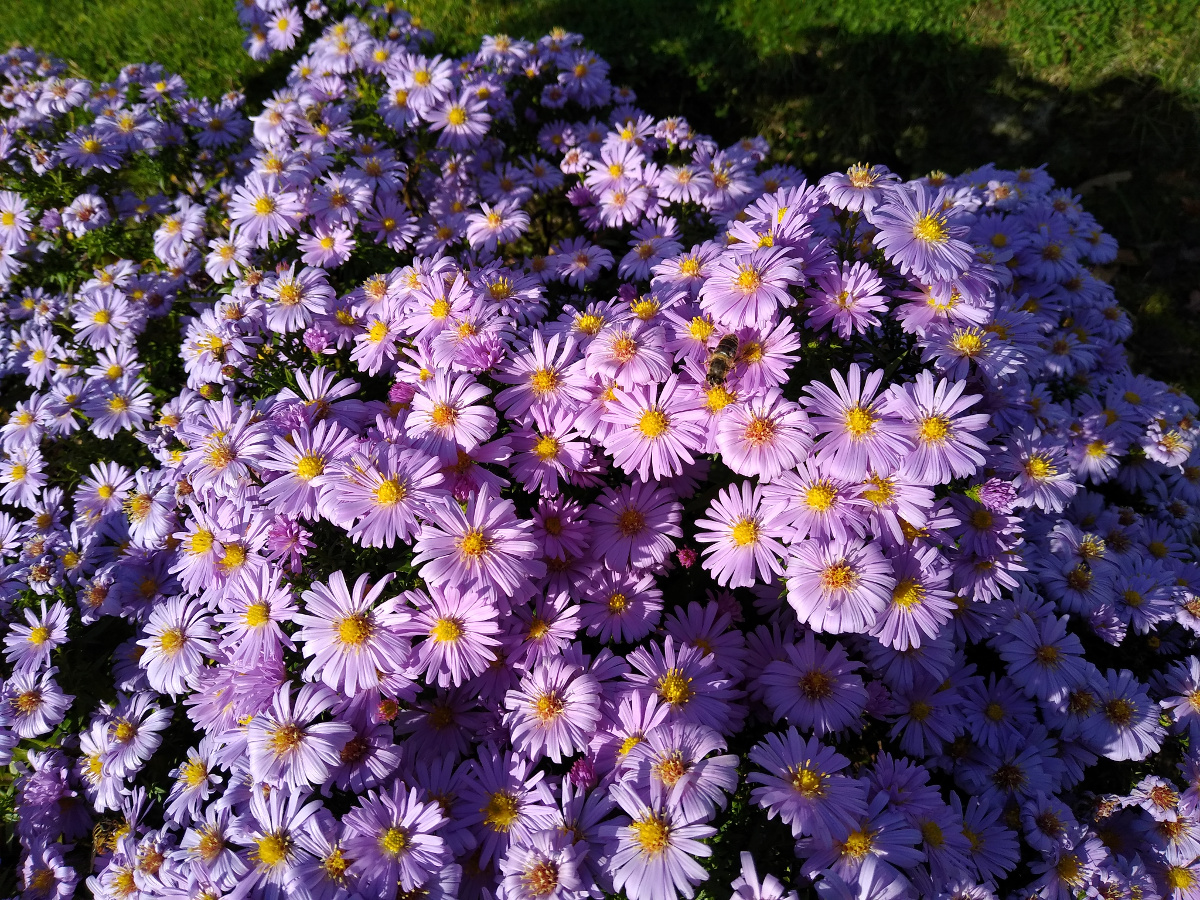
Let me weep Michaelmas daisies
in the purple of dusk.
Let me ride the mountains
to gather wolfsbane in a distant land
where it was spat from the jaws
of a monstrous hound.
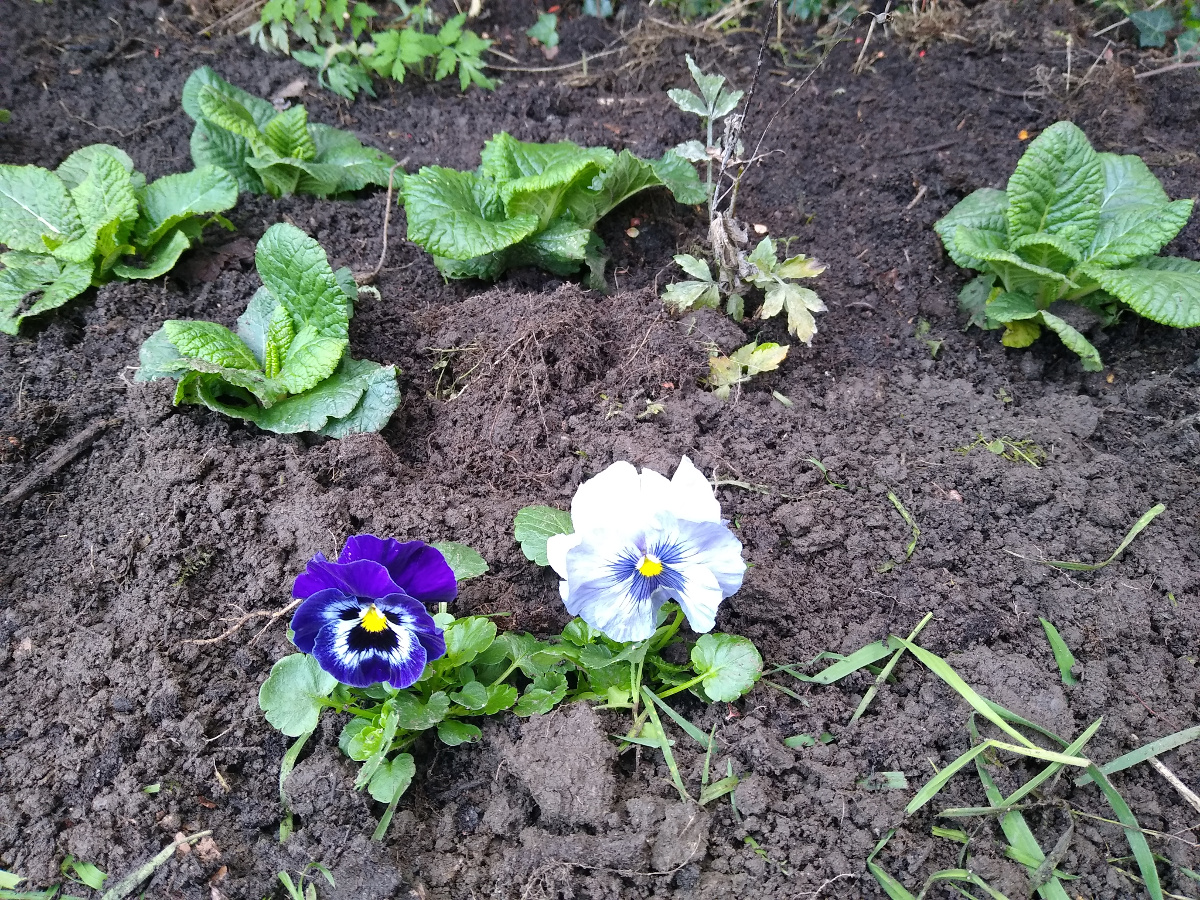
Let me sit and count violas
so delicate as you count the days
down until you leave for the place
from which flowers come.
The Summer King is dead.
Your coffin is waiting in Annwn.
It shall be adorned with flowers.
The Winter King awaits.
We both hear on the crystal wind
the baying of his hounds –
call of the otherplace
growing stronger and stronger.
Let me ride with you
these last moons see your face
in the faces of flowers marking the days
until you return to Annwn.



 The Sanctuary of Vindos