the mountains would stop talking to each other, the hills would lose their nerve and flee, the rivers would stop rushing down, turn their tides to the source, vanish back to Annwn,
and the sea, oh the vast sea! The mournful waves would lose their songs, the sea-horses their nostrils of foam and proud crests. Water would be water no longer and salt would not be salt. There would be nothing to quench our thirst or cleanse our wounds.
With the marching trees we would be rootless vagabonds for the snakes beneath our houses and the serpents beneath our towerblocks would shake the foundations tear them down.
The animals would run away through the caves and cracks in the earth and all the fish would disappear into the Lune Deep and the birds would fly away on the winds before the sky did his thing of crashing down like a fallen bird or a fallen wrestler.
If Your heart ceased to beat oh Gatherer of Souls, would our hearts too not cease to beat? Then who would gather us?
Oh lonely lonely souls!
Grateful are we that on the moment of Your death Your heart skips but one beat then continues to beat in Your sleep and in Your dreams.
*A poem for Gwyn ap Nudd on Calan Mai when He loses His battle for Creiddylad to Gwythyr and ‘dies’ and retreats to Annwn to sleep for the summer.
This morning when I made my traditional offering of a sprig of thyme to my patron God, Gwyn ap Nudd, at dawn before He goes to fight His battle against Gwythyr ap Grendel for Creiddylad (a battle He, as Winter King, is doomed to lose to the Summer King) He appeared to me as a magnificent bull of battle and spoke the words:
“I go to fight for all those who fight a battle they cannot win.”
Go well, my beloved Lord of Annwn, I will be waiting for You at summer’s end.
This is a question many religions have an answer to. One of the most obvious is Christianity with the traditions surrounding the death of Jesus. Within Paganism and Polytheism rites have been developed for many Gods (often grain Gods) including Osiris, Tammuz and figures such as John Barleycorn.
When I started worshipping Gwyn ap Nudd over ten years ago I found out on Calan Mai He fights a battle against His rival, Gwythyr ap Greidol, for His beloved, Creiddylad. Although it isn’t explicit within the source material (1) parallels with other seasonal myths (2) suggest that Gwyn, as Winter’s King, is defeated by Gwythyr, Summer’s King (3) at the turn of summer, ‘dies’, and enters a death-like sleep. He then returns at summer’s end to take Creiddylad to Annwn and assert His rule as Winter’s King.
For most Pagans and Polytheists Calan Mai / Beltane is a fertility festival. The rites of dancing of the May Pole, and crowning of a May / Summer King and Queen have a basis in the sacred marriage of Gwythyr and Creiddylad.
Even before I realised I was asexual I always felt like an outsider on Calan Mai. Whilst I enjoyed the white flowers and verdant energy I never got into the full swing of the celebrations (at least not without a large amount of alcohol).
Then I met Gwyn and found out this was the time of His death. I have now come to understand why it is bittersweet – finding joy in the new growth on the one hand and feeling His loss and commending His sacrifice on the other.
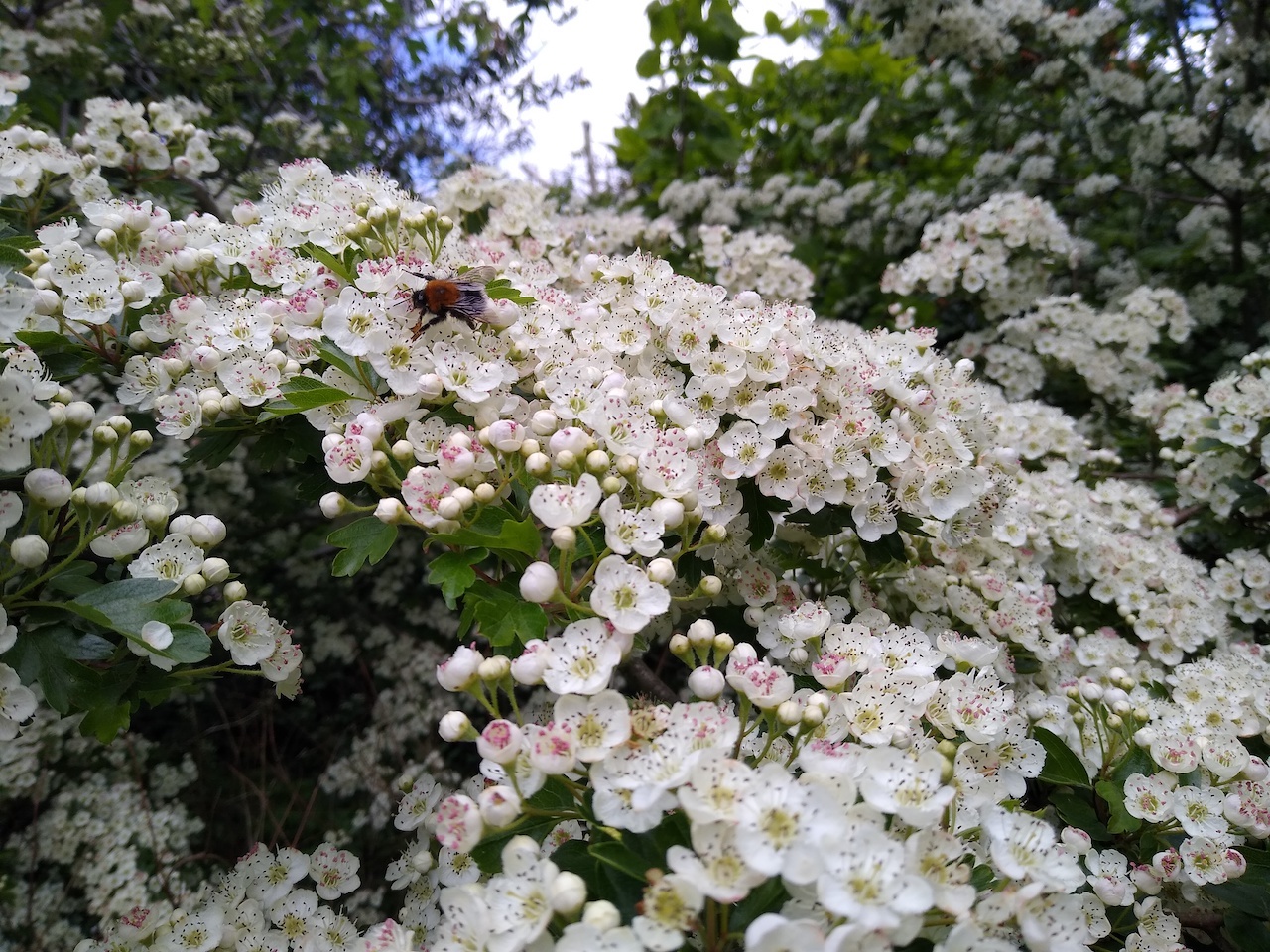
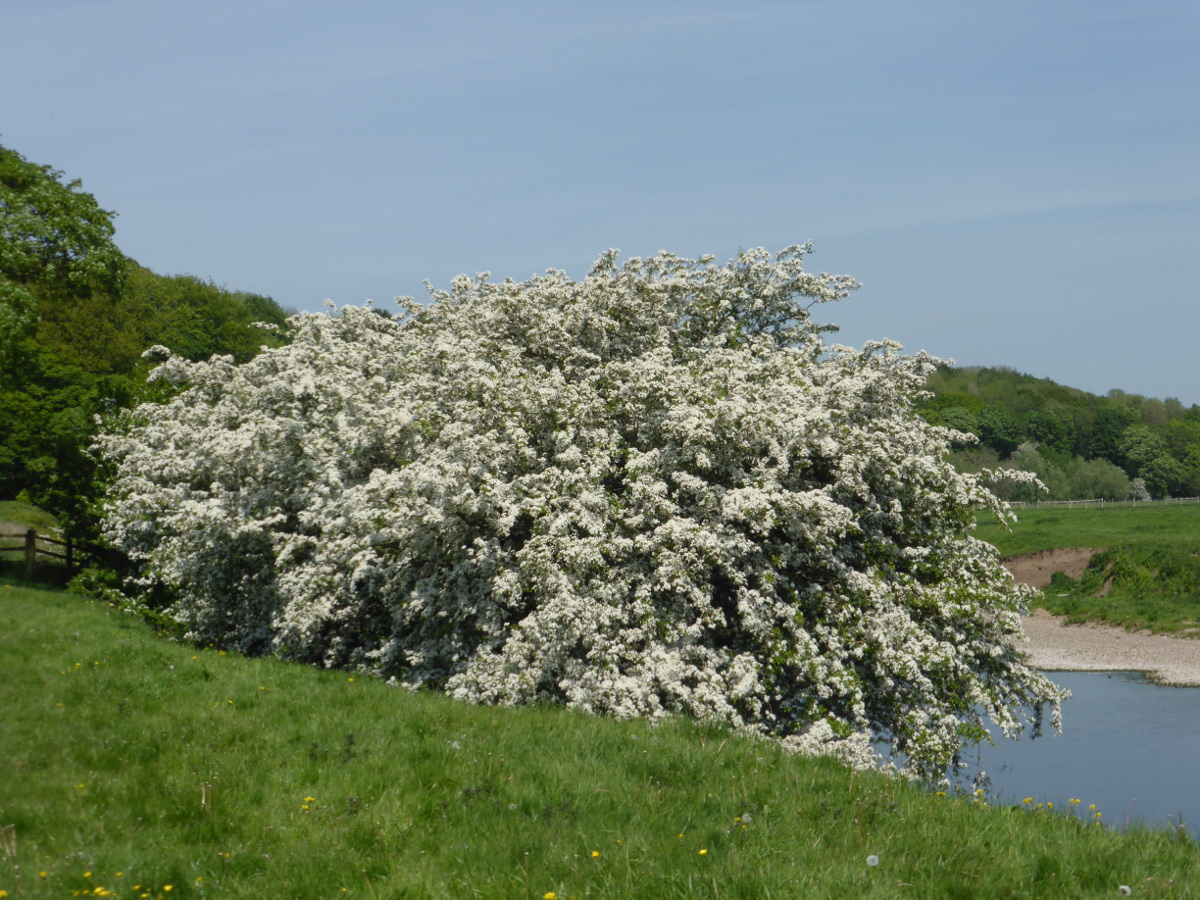
‘From the blood of the King of Annwn the hawthorn blossoms grow.’
Slowly, Gwyn has revealed to me visions of the mythos surrounding His death and ways of honouring it within my personal practice as a Polytheist.
It happens slightly differently every year but I present here a ‘core narrative’ and the rites by which I navigate this difficult time in my seasonal calendar.
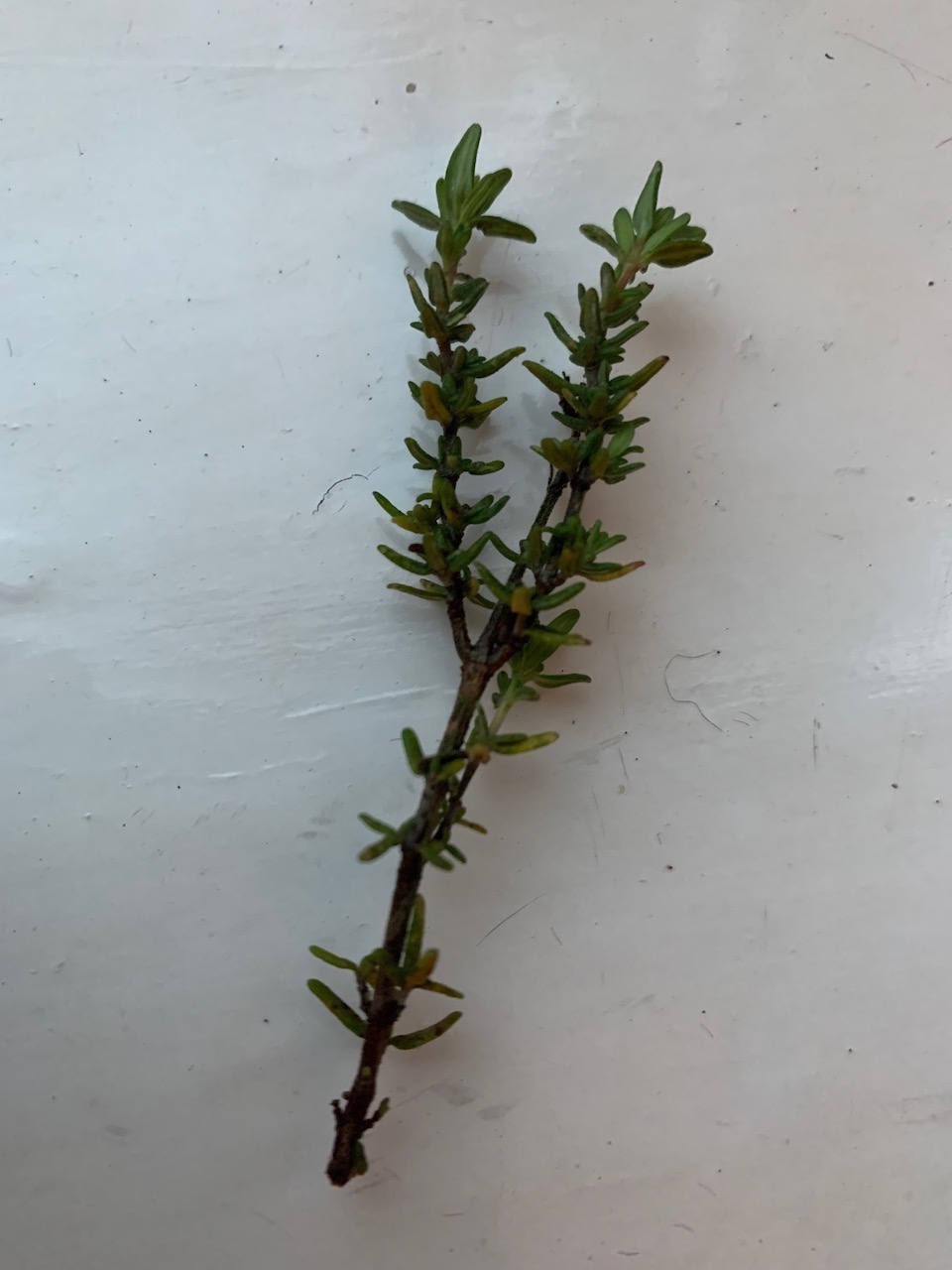
On Nos Galan Mai I offer Gwyn a sprig of thyme for courage and recite my poem ‘If I Had To Fight Your Battle’ and then meditate on its meaning.
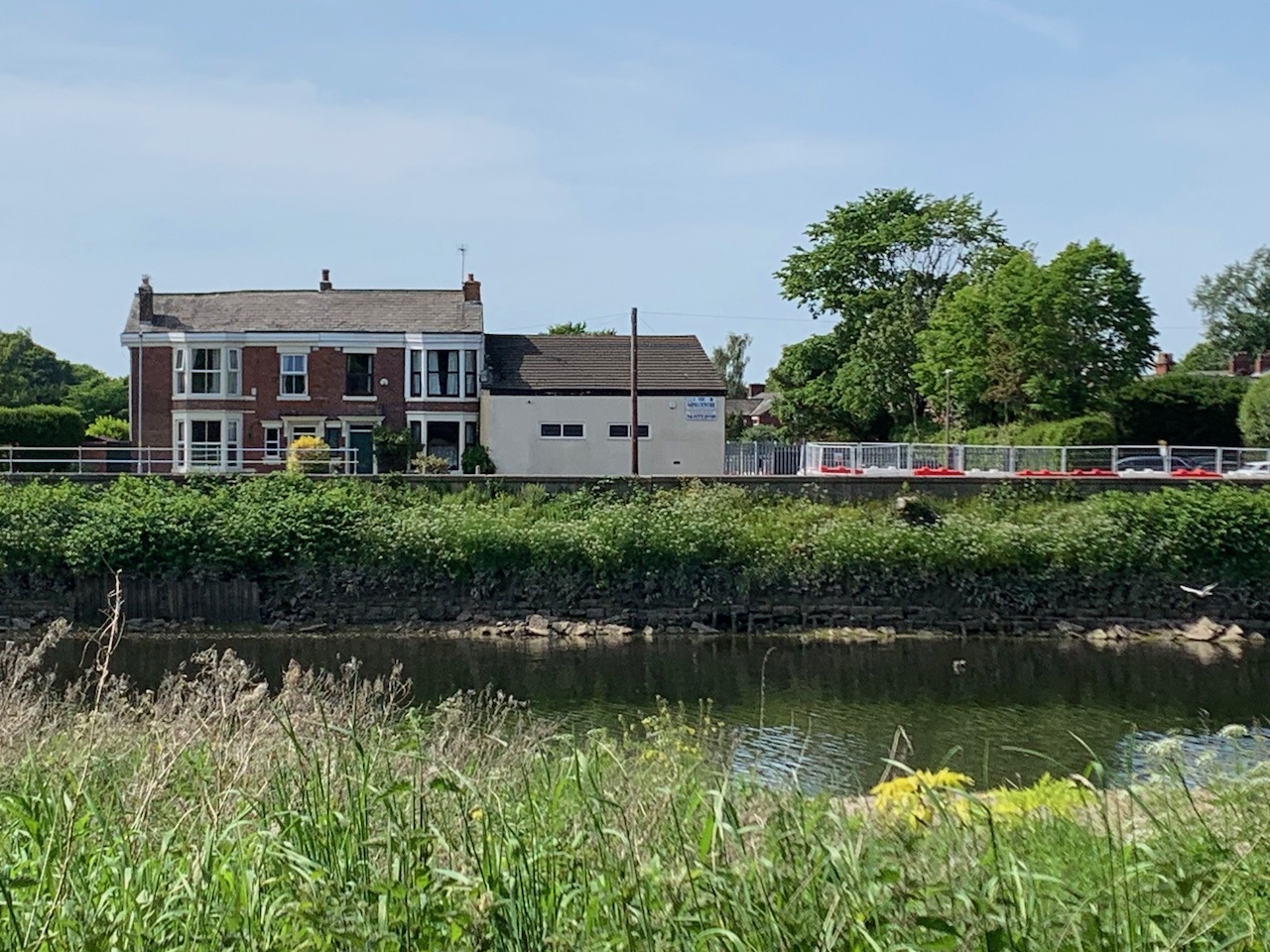
At dawn on Calan Mai I visit Him in spirit as He dons His armour and makes His way to ‘the Middle Ford’, Middleforth on the Ribble, which is the place within my local landscape where His battle takes place and there speak my farewells.
Later in the day I go for a walk and look out for signs of the battle of Gwyn and Gwythyr. I often see Them as warriors, animals, or dragons in the clouds. On one occassion I heard ‘We are the Champions’ playing at a May Day fair.
I place the sprig of thyme at the Middle Ford then look out for signs of Gwyn’s death.
Gwyn’s death takes place before dusk and I have felt it signalled by sudden cold, the coming of rain, and a feeling of melancholy. Once, when I was running, I got the worst stitch ever, like I’d been stabbed in the side, knew it was Gwyn’s death blow and received the gnosis His death was bad that time.
I pay attention to the hawthorn, a tree of Creiddylad’s, symbolic of Her return.
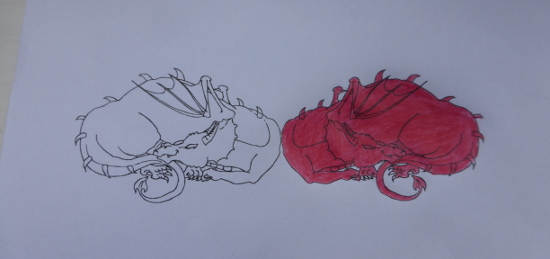
In my evening meditation I bear witness to Gwyn being borne away from the scene of battle by Morgana and Her sisters (4) who appear as ravens, crows, or cranes. They take Him and lay Him out in His tomb in the depths of His fortress in Annwn. His fort descends from where it spins in the skies (5) and sinks into the Abyss (6) to become Caer Ochren ‘the Castle of Stone’ (7).
I then join Morgana and Her sisters and other devotees from across place and time saying prayers of mourning for Gwyn and spend time in silence.
Three days later Morgana and her sisters heal Gwyn’s wounds and revive Him from death. This a process I have taken part in and was powerful and moving. He then remains in a death-like sleep over the summer months.
I would love to hear how other Polytheists honour the deaths of their Gods.
FOOTNOTES
(1) The medieval Welsh tale of Culhwch ac Olwen (11th C)
(2) Such as the abduction of Persephone by Hades in Greek mythology.
(3) Clues to Their identities as Winter and Summer Kings are found in their names Gwyn ap Nudd ‘White son of Mist’ and Gwythyr ap Greidol ‘Gwythyr son of Scorcher’.
(4) I believe Morgana and her sisters are Gwyn’s daughters through personal gnosis based on the associations between Morgana, the Island of Avalon, and Avallach, the Apple King, who I believe is identical with Gwyn and the possible identification of Morgan and Modron, daughter of Avallach.
(5) ‘the four quarters of the fort, revolving to face the four directions’ – ‘The Spoils of Annwn’.
(6) The existence of an Abyss in Annwn is personal gnosis.
(7) This name is not a direct translation (Marged Hancock translates it as ‘the angular fort’) but comes from Meg Falconer’s visionary painting of Caer Ochren ‘the cold castle under the stone’ in King Arthur’s Raid on the Underworld.
Day five of Twelve Days of Devotion to Gwyn ap Nudd
This fifth day I consider Your battle.
How Calan Mai seems far away but already we’re both counting down the moons, the weeks, the days.
How every year you face fighting a battle you cannot win, how every year you have shown up anyway for the seasons must turn, the ford must be crossed, from death new life won, flowers from pain. I think with shame of the times I have failed to show up.
When you don your armour at dawn On this morning of mist so forlorn
When you rise from your marital bed Leave your wife for another to wed
When you leave the dark of Annwn With the knowledge you’ll return to your tomb
When you’re feeling down and discouraged Let this sprig of thyme be your courage.
I have had the first and last couplets of this poem in my head for two years now but it was only this morning that I received the two couplets in the middle in order to complete it and the inspiration to make a ritual of picking thyme from the garden at dawn on Calan Mai (May Day) and offering it to my patron god, Gwyn ap Nudd.
On Calan Mai Gwyn fights a ritual battle against his eternal rival, Gwythyr ap Greidol, for his beloved, Creiddylad, a goddess of seasonal sovereignty. It is a fight he is doomed to lose. Afterwards Creiddylad departs from Gwyn, Winter’s King, in Annwn, and comes to Thisworld to enter a sacred marriage with Gwythyr, Summer’s King. In the Brythonic mythos this explains the turning of the seasons. On the one hand I will be celebrating that Creiddylad and summer are here, yet, on the other, I will be mourning Gwyn death.
will you depart to the land of the dead to sleep in your cold castle in Annwn?
~
The seasons must turn.
My battle must commence and my death-blow must be struck.
Yet when I die you will see my ghost and when I sleep I will sleepwalk.
Many will see the wolf of my soul.
Through these days of plague I will guide the dead.
This poem is addressed to my patron god, Gwyn ap Nudd, on Calan Mai. Today Gwyn (Winter’s King) battles against Gwythyr (Summer’s King) for Creiddylad, a goddess of spring and flowers, and is destined to lose and return to sleep in the Castle of Cold Stone, in Annwn.




 The Sanctuary of Vindos