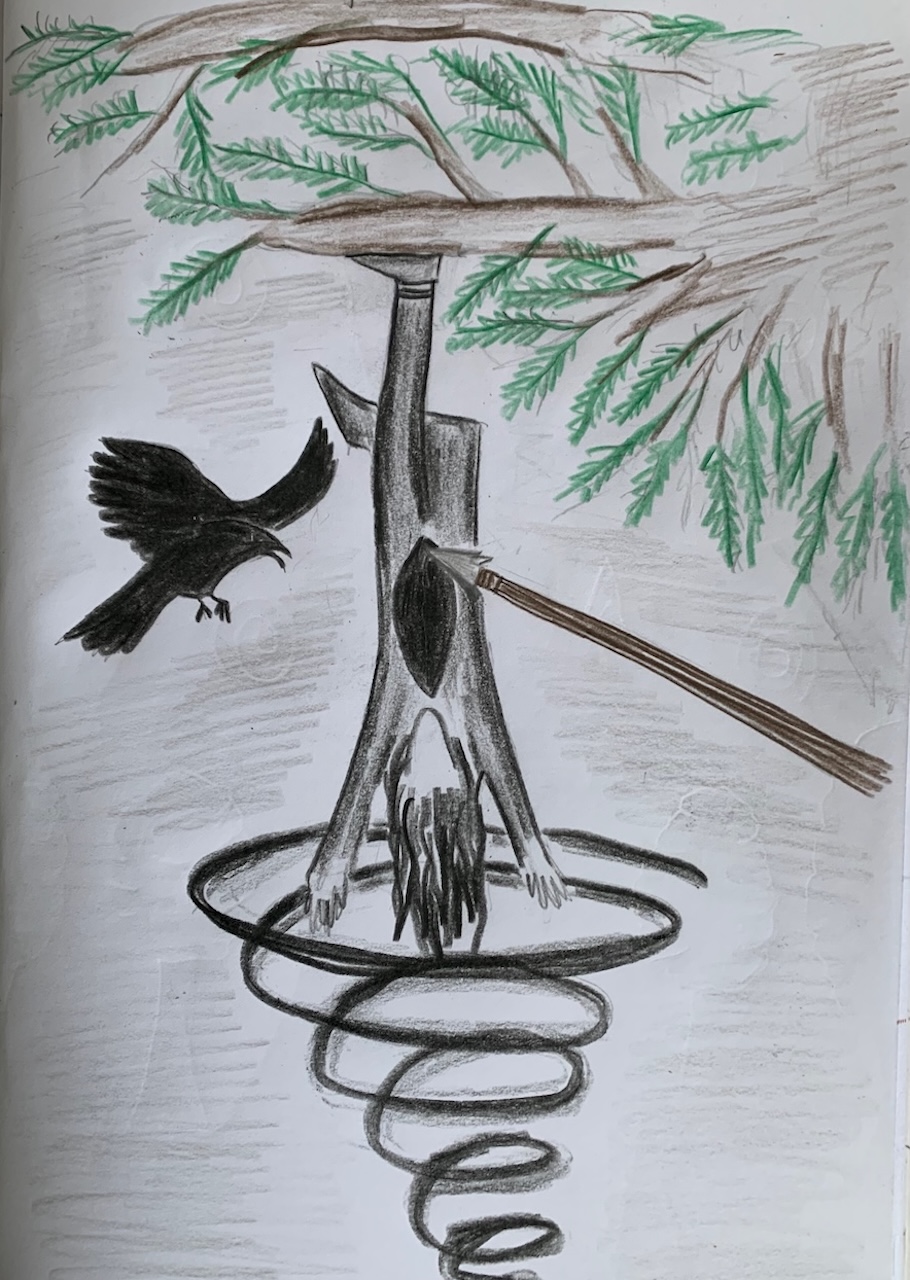
Suddenly, from out of nowhere, flying at me like a mad dog, just one tooth at the end of a wooden haft, the spear that was thrown long ago, that should have pierced me before I started running.
It’s finally caught up.
It opens me and inside I am empty and hollow as the old yew tree on which my ragged carcass is hung.
And of course the ravens come.
And of course He’s amongst them – my God who hung on the yew in raven form for nine nights pierced by the same damn spear.
I always knew my turn would come.
And so He comes to sit beside me and I go to visit Him and we are one – the tree, the spear, the hung, the void, the hollowness within and without.
And this moment is within us.
This drawing and poem record a rite I undertook before the Winter Solstice in 2025 – nine days in meditation at the Abyss with my God. Looking back, on the one hand it had worth as a devotional offering, but on the other it wasn’t the healthiest of impulses. It opened a can of worms leading to my recent insights about how my monasticism and asceticism had partly been driven by the unhealthy restrictive and self-destructive impulses that also drove my eating disorder.
‘In Annwn below the earth… there is one who knows what sadness is better than joy.’ ~ ‘The Hostile Confederacy’
‘No mud, no lotus.’ ~ Thich Nhat Hahn
If I was to define my core purpose in life at present, I would say that it is transforming suffering, within myself and within others, in service to my Gods. When I met my patron God, Vindos / Gwyn ap Nudd, I was struggling with suicidal ideation. He showed me the Brythonic Otherworld. He made me His awenydd ‘person inspired’ – a poet and spirit worker in the Brythonic tradition. He gave me meaning and purpose. My vocation has given me the strength to begin to heal my own wounds and, more recently, to help others.
Gwyn is a ruler of Annwn (the Otherworld) and a guide of souls. In a medieval Welsh poem (1), He speaks of gathering the souls of the battle dead. He and His people, the spirits of Annwn, later known as fairies, who also appear as the Wild Hunt, are depicted taking the souls of those who have died suddenly or traumatically to the Otherworld.
I believe Gwyn is the one in Annwn, in the poem ‘The Hostile Confederacy’, attributed to Taliesin, who knows ‘what sadness / is better than joy’. He’s seen countless sorrows, carries the weight of the battle dead, has gathered the souls of countless suicides, murder victims, those who have died in tragic accidents. Thus, He has an investment in the transformation of suffering so that such untimely deaths are less likely to happen.
Gwyn, as the Fairy King, and the fairies, are also renowned for taking living people, often those who have suffered trauma, to Their realm, or for leading them to wild places, where they mostly recover and then return. (2)
Gwyn and His people are associated with trauma and its healing. This usually takes place in the Otherworld or the wild. This is also shown in a fragment from the fourteenth century Latin document, Speculum Christiani, which describes how common folk in Wales invoked Gwyn to cure the evil eye: ‘Some stupid people also go stupidly to the door holding fire and iron in the hands when someone has inflicted illness, and call to the King of the Benevolent Ones and his Queen, who are evil spirits, saying: ‘Gwyn ap Nudd who are far in the forests for the love of your mate allow us to come home.’ This passage suggests that those suffering from the evil eye are ‘away’ and that Gwyn, who has a distant abode in the wild, is able to bring them home.
In medieval Welsh literature and later folklore, the Otherworld is depicted as a place of green hills and lush forests where there are sparkling rivers of wine and mead. The fortress of its king, with towers of glass, lit from within, is the centrepiece. Within are shining treasures, an endless feast of meat, fruit and mead.
Activities in the Otherworld include: hunting, feasting, dancing and carousing. Coming back from the land of no pain is difficult. Some people crumble to dust, some go insane, others pine away, those who survive become poets. The saying ‘Dead, mad, or a poet’ summarises the outcomes.
In the Brythonic tradition, poetry provides the means of processing trauma, transforming suffering and giving voice to experiences of ecstasis and healing. Medieval Welsh bards, such as Taliesin, Aneirin, Myrddin Wyllt, and Llywarch Hen all gave voice to personal and cultural trauma. In, and through them, their suffering and the suffering of their people was transformed into some of the most tragic, beautiful and potent works of poetry within our heritage.
I also found that poetry could help me to transform my suffering and that of the land and the ancestors but, alone, it was not enough. A bardic lifestyle of drinking too much and writing and performing poetry, unsurprisingly, proved to be detrimental to both my mental and physical health. At this point in time, I was very good at having ecstatic, often drunken experiences, and writing lots of poems, but not very good at coming home.
I began building a better relationship with my body and a meditation and mindfulness practice during the period I was a nun and began training as a shamanic practitioner. ‘Being present for Gwyn’ became one of my core practices.
Gwyn, through His likeness with Shiva, guided me to the yogic and Buddhist traditions. Over the last few months, I have been greatly inspired by the works of Thich Nhat Hahn and the Dharma teachings from Plum Village. Unlike other forms of Buddhism I have come across that preach negation of the body and the world to achieve enlightenment and view animals as inferior, the Plum Village tradition is embodied, trauma informed, and is based on inter-being in respectful relationship with the world and all beings. Joy and enlightenment can be found in the present moment at any place and time.
The Plum Village teachings centre on mindfulness, which involves the practice of coming home to our breath and to our bodies in the here-and-now. Mindfulness is the key to transforming suffering. In his book, No Mud, No Lotus: The Art of Transforming Suffering, Thich Nhat Hahn outlines the Buddha’s teachings on suffering and its transformation in the Four Noble Truths.
The first Noble Truth is that there is suffering. Suffering exists within us on physical, mental and spiritual levels and outside us, in our families, friendship circles, within our ancestry, within our culture and within the environment. In the West, rather than being taught how to handle our suffering, we are sold countless forms of numbing and distraction. We drink it away, stuff it down, or lose ourselves in social media and other virtual entertainment.
In the place of distraction, Buddhism posits mindfulness – ‘the capacity to dwell in the present moment, to know what’s happening in the here and now… with mindfulness you can recognise the presence of suffering… it’s with that same energy that you can tenderly embrace the suffering.’ He speaks of taking care of our suffering as being like a mother holding her child.
The second Noble Truth is: ‘there is a course of action that generates suffering’. We are encouraged to look deeply at the roots of our suffering. These often lie in past trauma, ancestral trauma, and the fears and habits that result. They can also lie in our attachments to materialist ideals. Gaining insight into the causes of our suffering helps to prevent us from making the same mistakes.
The Third Noble Truth is: ‘suffering ceases (ie. there is happiness)’. The key to true happiness is that it isn’t an aim for the future, ‘I will be happy when this problem is sorted, I have my dream job, my health is better.’ Happiness lies in dwelling mindfully in the present moment and if we can’t do it now, this very minute, we won’t be able to do it when that future moment arrives either.
This was a big learning for me because I have always been future orientated and placed my happiness in the future at the expense of ignoring the now. ‘I will be happy when I have my shamanic practitioner qualification’. ‘I will be happy when I am earning a living from my vocation’. No. ‘If I can’t be happy with my life now I won’t be happy if I achieve these aims in the future.’
The Fourth Noble Truth is: ‘there is a course of action leading to the cessation of suffering (the arising of happiness’)’. The Noble Eightfold Path, provides a tried and tested framework for generating happiness. It consists of Right View, Right Intention, Right Speech, Right Action, Right Livelihood, Right Effort, Right Mindfulness and Right Concentration. Mindfulness and ethical living form its core.
For me, the art of transforming suffering lies in a combination of mindfulness and shamanic work. Being able to go to the Otherworld and come home. Then, once I am home, making art out of the insights I have been gifted with.
When I gave up being Sister Patience, it was a shock to the system coming back to Lorna Smithers and all her shit (which I thought I’d transcended). Yet the shit has made good compost and flowers have grown from it in the form of three books (3) written in the last few months as well as recent articles.
If you’re interested in the process of transforming your own suffering through shamanic work, creativity, and coming home, I’m currently providing shamanic guidance sessions for £15 an hour at a student rate (contact lornasmithers81@gmail.com).
(1) The Conversation of Gwyn ap Nudd and Gwyddno Garanhir (HERE). (2) For example, see Sir Orfeo and the mythos surrounding Myrrdin Wyllt (HERE). (3) A memoir – The Edge of the Dark (HERE), a poetry collection – They Called Me Pig (soon to come), and an epic novel called The Lost Shrine of Nodens, which will be published through Sul Books in May 2017.
In the previous post, I talked about my personal experiences of an eating disorder, which began as binge eating disorder, then developed into mild anorexia. In this article, I’m going to be exploring the context of its development in relation to the rise of eating disorders in the 20th century and their prevalence at this time. I will begin by outlining what eating disorders are and how the different types of eating disorders are currently defined. I will then provide a brief history of eating disorders, focusing on how the shift of cultural ideals from fuller forms towards thinness has led to their proliferation over the last century. I shall discuss how the flawed BMI model has led to the demonisation of obesity and to healthy people being shamed as overweight and obese and to developing eating disorders. I will then talk about the disturbing phenomenon of the deification of anorexia as the goddess Ana, within the pro-Ana movement. Finally, I will focus on how the decline of religion in Western Europe has led to size becoming a religion, with its own commandments on food and exercise, as voiced by new idols on social media.
What is an Eating Disorder?
An eating disorder is defined by the Oxford Language Dictionary as ‘any of a range of mental conditions in which there is a persistent disturbance of eating behaviour and impairment of physical or mental health.’
Eating disorders often develop as ways of managing difficult or overwhelming emotions that stem from stress and trauma. They can be precipitated by dieting and may or may not be related to cultural ideals of thinness.
An eating disorder differs from dieting and other forms of disordered eating such as skipping meals, in terms of the severity, frequency and duration of the symptoms, the levels of psychological and physical stress, and the impact on the person’s capacity to function and their relationships.
The Types of Eating Disorder
The main types of eating disorder are anorexia, bulimia, and binge eating disorder. In the UK, two resources are used to diagnose eating disorders: the Diagnostic and Statistical Manual of Eating Disorders, 5th Edition (DSM-5) and the International Classification of Diseases, 11th Edition (ICD-11).
Anorexia is defined by ‘the restriction of energy intake relative to requirements leading to a significantly low body weight’, ‘intense fear of gaining weight’ and disturbance in perception of body weight and shape. Other symptoms include: amenorrhea, digestive issues, dizziness, fainting, feeling cold and numb, poor circulation and dry skin. In severe cases, anorexia can lead to osteoporosis, organ failure, cardiac arrest and death. Around 5% of patients with anorexia die within four years of receiving a diagnosis.
The main diagnostic criteria of bulimia are ‘episodes of binge eating’ followed by ‘inappropriate compensatory behaviour’. Binge eating is defined as eating within a 2-hour period ‘an amount of food that is definitely larger than what most individuals would eat in a similar period of time under similar circumstances’ and by ‘a sense of lack of control of overeating during the episode’. Compensatory behaviours include: vomiting, misuse of laxatives, fasting and excessive exercise. These episodes are driven by concerns about body weight and shape. They must take place at least once a week for three months to warrant a diagnosis. Other symptoms are similar to anorexia and self-induced vomiting can also cause a sore throat, swollen glands, tooth erosion, Russel’s sign on the hands and electrolyte imbalances.
The diagnosis of binge eating disorder is also based upon ‘recurrent episodes of binge eating’. These are not followed by compensatory behaviours. Binge eating episodes must be associated with three or more of the following criteria: ‘eating much more rapidly then normal, eating until feeling uncomfortably full, eating large amounts of food when not feeling physically hungry, eating alone because of feeling embarrassed by how much one is eating, feeling disgusted with oneself or very guilty afterward’. Marked distress about the binge eating must be present and the episodes must take place at least once a week for at least once a month. Binge eating disorder can lead to excessive weight gain and thus to high blood pressure, high cholesterol levels, breathing issues, joint problems, digestive diseases such as gallstones and gallbladder disease and type two diabetes.
There are also a number of Other Specified Eating and Feeding Disorders (OSFED). These include atypical anorexia wherein ‘the criteria for anorexia are met, except that despite significant weight loss, the individual’s weight is within or above the normal range’, bulimia (of low frequency and/or limited duration), binge eating disorder (of low frequency and/or limited duration), purging disorder, night eating syndrome, pica, rumination disorder, Avoidant/Restrictive Food Intake Disorder (AFRID), orthorexia and Unspecified Feeding or Eating Disorder (UFED).
A History of Eating Disorders
It’s likely that humans have restricted food intake, binged, purged, and over-exercised as a form of relief from stress and trauma since we have existed. However, for the most part, people did not engage in such behaviours to be thin.
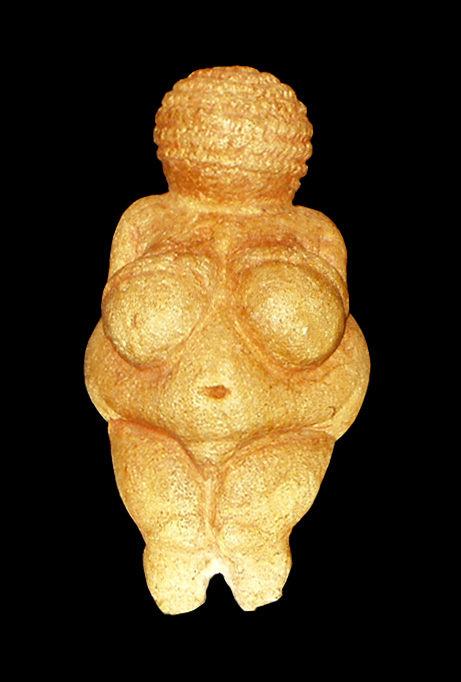
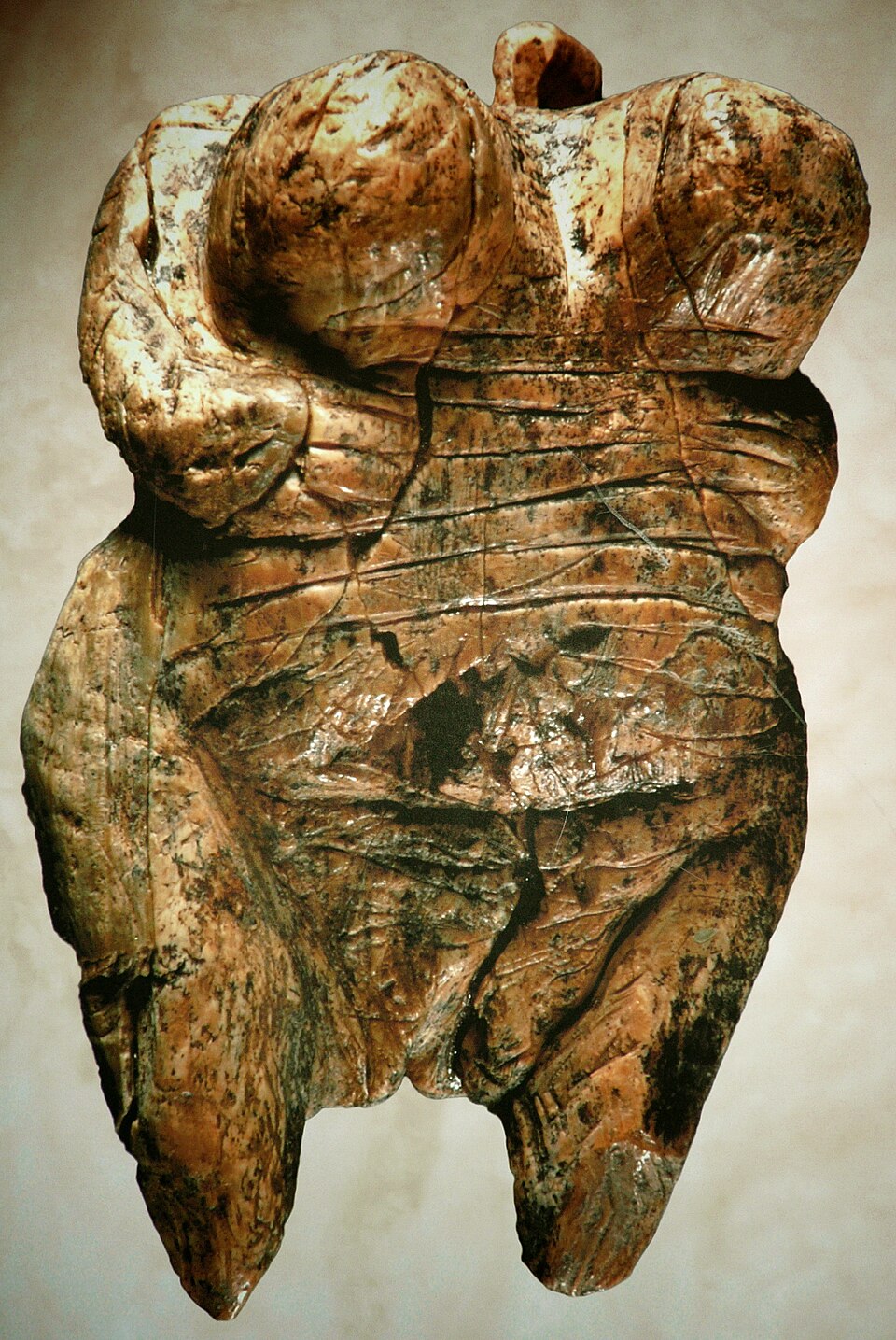
Venus figurines, with large bellies, breast and hips, suggest that larger body shapes were idealised during prehistoric times. This might relate to food scarcity and to larger forms being associated with fertility and survival.
Venus of WillendorfVenus of Hohle Fells
Religious fasting has long been a common practice and differs from an eating disorder as it involves a conscious choice to bring a person closer to the divine rather being a coping mechanism or a method of weight loss. However, it can develop into an eating disorder when it becomes an addiction and spirals out of control and manifests as self-starvation.
From the Hellenistic period, we have the first records of religious fasting being taken to the extremes of emaciation and starving. Blaesilla, a Roman woman who followed the ascetic practices of Saint Jerome, starved herself to death. This has been interpreted as an early example of anorexia.
We also find examples of binging and purging that bear similarities to bulimia in wealthy cities such as Ancient Rome. The Roman emperor, Vitellius, was renowned for having three or four feasts a day, made possible by his vomiting. The emperor, Claudius, never left a meal until overfed, after which ‘a feather was placed in his throat to stimulate his gag reflex.’ These behaviours have more to do with gluttony – emptying one’s belly in order to fill it with more food – than with bulimia as a mental illness outside their control.
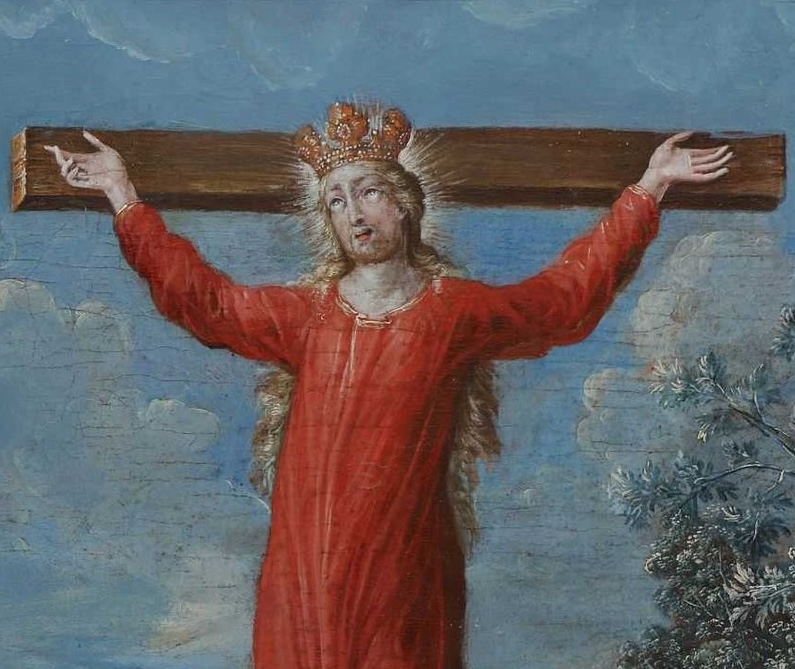
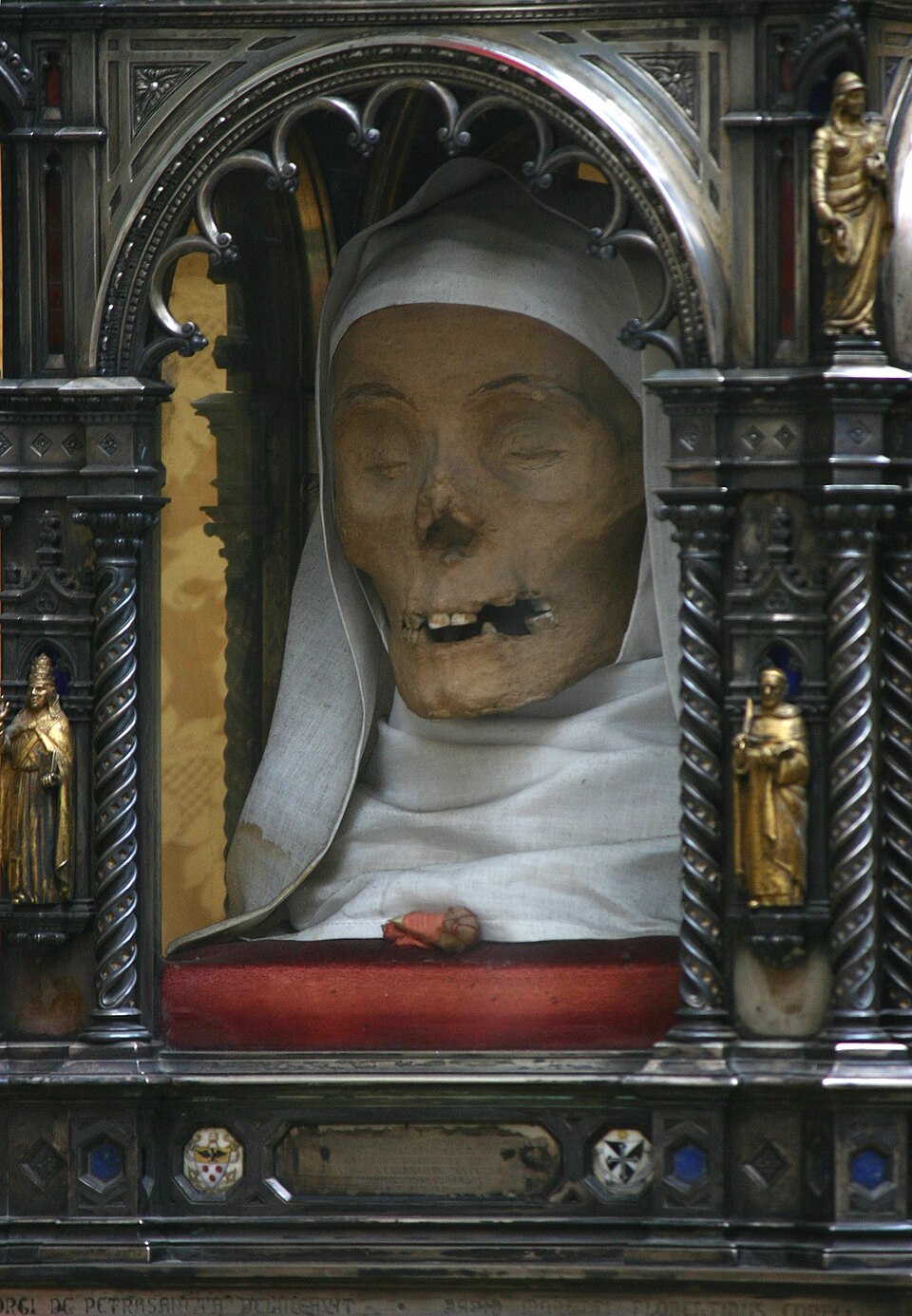
In medieval times, extreme ascetic practices remained common. Around the 10th century, Saint Wilgefortis, ‘bearded virgin’, starved herself to avoid marriage, leading to hair growing all over her body (a phenomenon known as languo – the body’s response to fat loss in order keep warm), including her face, leading to her growing a beard. Saint Catherine of Siena famously starved herself to death in 1380, attempting to survive only on the eucharist. This phenomenon has been referred to as anorexia mirabilis ‘holy anorexia’.
Saint WilgefortisSaint Catherine of Siena
Intriguingly, in medieval tales wild men and woman who become geilt or wyllt ‘mad’ such as Suibhne Geilt, Mis, Myrddin Wyllt, and the knight, Owain, who retreat in madness into the wilderness, are described as hairy. This, no doubt, was caused by them living in a state of near-starvation. Living in the wild and extreme fasting are associated with initiation in some cultures. This might be seen as a temporary state of anorexia, which reaches an end when the person has a religious experience and returns to their community.
The illness we now know as anorexia nervosa was first described by Richard Morton, in 1689, in relation to a male and female who lost their appetite and wasted away without physical explanation from nervous consumption. The term anorexia nervosa (a nervous loss of appetite)was coined by William Gull in 1873 in relation to case studies of young women, aged 16 – 23, who suffered from fatigue, loss of body mass and weakness.
These diagnoses bore no relation to societal ideals of thinness. Up until the nineteenth century, the ideal female body shape was curvy and voluptuous, as shown by statues and paintings of women with fuller figures. It was during the Victorian period that slimmer ideals came into vogue, with hourglass figures, and women cinching in their waists with corsets.
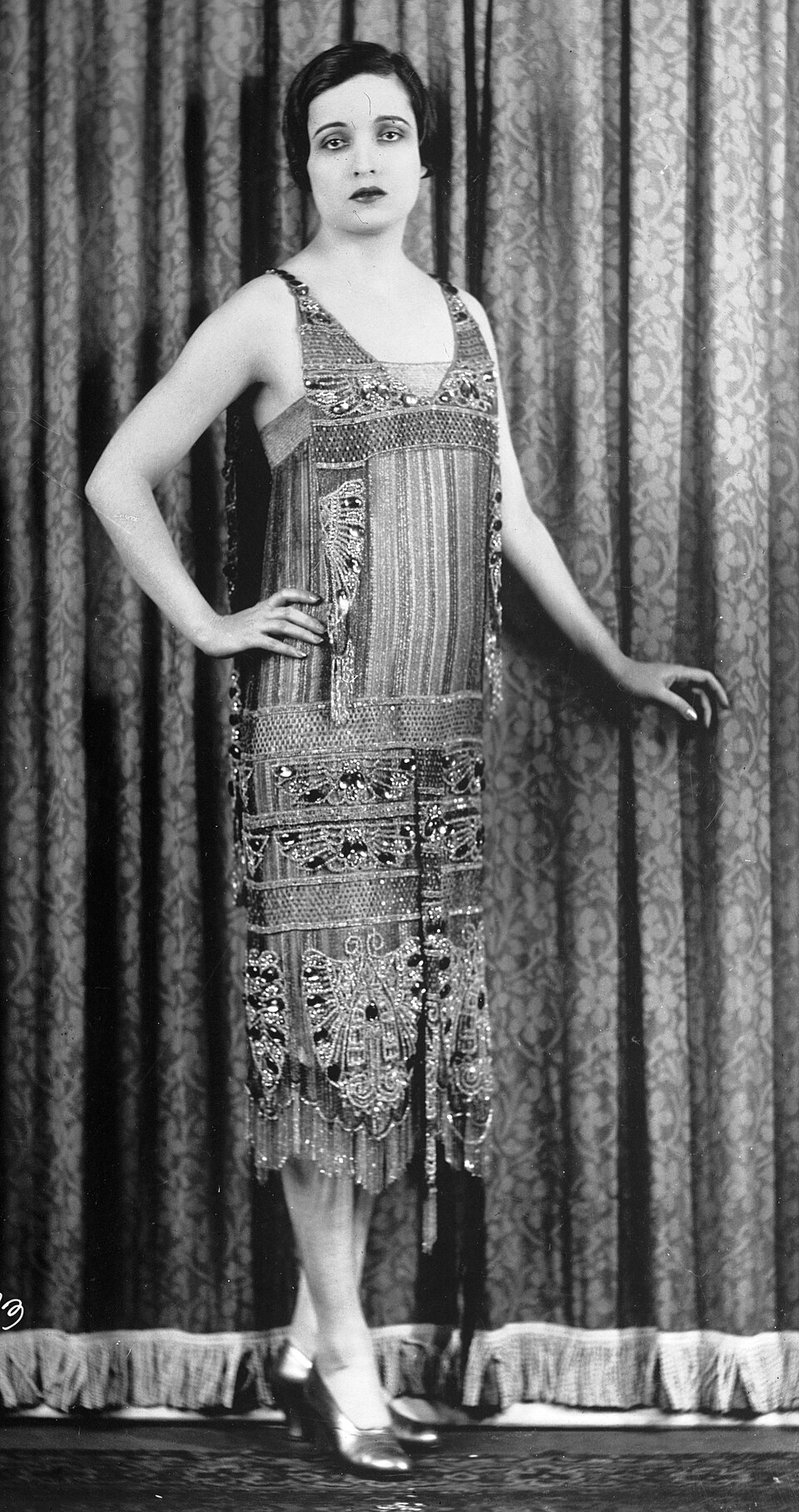
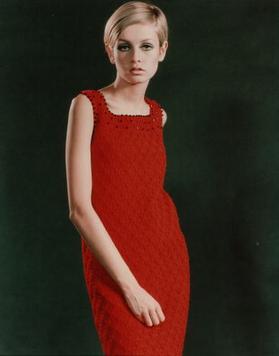
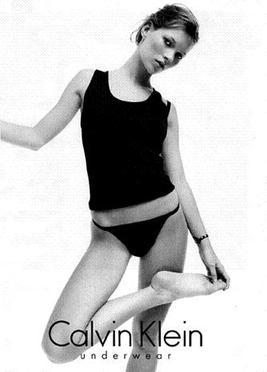
The thin ideal came into being in the 1920s with the flapper image focusing on a slender, boyish shape. In the 1960s, Twiggy provided the defining look. The apogee was the 1990s, when extreme levels of thinness were reached, with waif-like, clinically underweight models, referred to as heroin chic.
Flapper (Alice Joyce)TwiggyWaif – Kate Moss
The first case studies of binging and vomiting were recorded by Bliss and Branch in the 1960s, and by Ziolko during the 1970s. In 1979, Gerald Russell coined the term bulimia nervosa (bulimia means ‘ox-hunger’ and the term has been translated as ‘ravenous appetite’)in a paper covering 30 cases. Binge eating disorder was first described in 1959 by the psychiatrist, Albert Stunkard.
During the 1970s, an ‘epidemic of obesity’ was declared. People were labelled as overweight or obese and this led to many developing eating disorders.
A sudden rise in eating disorders, driven by the derogation of fat bodies and the glamorisation of near-anorexic bodies, was seen between the 1960s and 1990s. Their prevalence has risen even more sharply, by 15%, since 2000. This has been driven by the anxiety and social isolation of the COVID pandemic and by the influence of social media promoting unhealthy ‘thin’ and ‘fit’ ideals. A 2017 study by Hay, in the UK, found that that 8% of the cases were diagnosed with anorexia, 19% with bulimia, 5% with binge eating disorder, 5% with ARFID, and 47% with OSFED.
The Demonisation of Obesity
Unfortunately, fat-shaming has been around for a long time. In Spartan Greece, between the 6th and 2nd centuries BCE, slim, muscular physiques were favoured and fat people were shamed and even fined.
However, this was not the norm across cultures and history. Generally, fuller forms that were able to survive food shortages and harsh weather were lauded. In Western Europe, it was only during the nineteenth century, when the food supply became better, that a thin-waisted female figure was promoted and fatness became seen as a moral failing, associated with laziness and lack of self control. This was bound up with colonial values. Larger Black and Brown bodies were seen as dirty and undisciplined.
As the food supply has increased, so have the divisions between the cultural ideal of the thin white person and its antithesis – the fat (often Black) person. This has reached its height with the discourse around an ‘epidemic of obesity’.
Since the 1970s, obesity has been framed as a major health issue, stemming from unhealthy eating habits and a lack of exercise and associated with poverty. ‘Morbidly obese’ people, frequently depicted in the media as being lifted from their homes by ‘bariatric rescues’, are often seen as objects of ridicule and portrayed as being of demonic proportions.
In a 2025, in a report from the House of Commons Library on ‘Obesity Statistics’, 31% of women and 39% of men were labelled as overweight and 30% of women and 28% of men as obese. Adult obesity prevalence was shown to have risen from 15% in 1993 to 29% in 2022. This was shown to be associated with social deprivation, disability, ethnicity (‘people in Black ethnic groups have the highest rates of excess weight’) and a lack of education.
This discourse is based on the faulty BMI model hat originated as ‘the Quetelet index’ in 1932 when the Belgian sociologist, Adolphe Quetelet, designed the weight-to-height ratio (kg/m2) to define the ‘average man’ and measure population norms. Notably, it was created by a white man to find a norm amongst other white men. The term Body Mass Index (BMI) was coined in 1972 by Ancel Keys and used it as a tool for population studies on obesity.
Quetelet never intended his model to be used to used to measure individual health or body fat. It has increasingly been criticised because it does not take into account muscle mass, bone density or different body types.
Self-identified fat doctor, Astrıður Stefa´nsdottir, who, according to the BMI scale is overweight, yet is perfectly healthy, points out how the current ‘scientific’ position has led to fat people who are in in control of their fates in ‘the kingdom of the well’ being reduced to ‘patients’ in ‘the kingdom of the sick’ ‘under the management of medical personnel’.
During the 1960s, the Fat Liberation movement arose. This was deeply intertwined with the Black Rights movement. Both critiqued the hegemony of thin, white ideals and called for equal rights for fat and Black bodies. This has more recently developed into the Body Positivity movement and has led to the establishment of groups such as Health at Every Size (HAES) whose core principles are: weight inclusivity, health enhancement, respectful care, eating for well-being, and life-enhancing movement.
Sangerin Lizzo
The Deification of Anorexia
On the other extreme, the pro-anorexia or pro-ana movement began developing online in the early 2000s. Therein, anorexia is re-conceptualised as a lifestyle choice as opposed to an illness and is seen as a skill and as a religion.
These sites provide ‘thinspiration’ and actively encourage followers to under-eat and over-exercise, casting this in terms of self-discipline, and providing weight loss tips. ‘Anorexia is a skill, perfected by only a few. The chosen, the pure, the flawless.’ ‘Watch other people eat and feel superior. You don’t need that food!’ ‘The pain is necessary, especially the pain of hunger. It reassures you that you are strong, can withstand anything.’ They actively deny the danger to health and longevity of anorexia. ‘The bests anas never die.’
Anorexia is, even more disturbingly, portrayed as a religion with its own ruling goddess, Ana. She is viewed as a creator: ‘I (Ana) have created you, this thin, perfect, achieving child.’ She has her own version of the Ten Commandments, the Thin Commandments, such as ‘Thou shalt not eat without feeling guilty’. She is also viewed as a demoness who haunts and possesses.
This toxic online movement has led to people with anorexia seeing their illness as a lifestyle choice that lifts them above the herd, elevating them into a community who view themselves to be superior to the rest of food-eating society. This makes them less likely to seek treatment and can lead to death.
Size and Shape as Religion
Having studied the context, I now understand better the cultural milieu in which my eating disorder developed. I grew up in a Christian country with nominally Christian parents but, hating church parade with Brownies, reached the conclusion that the Christian God was not my God and didn’t entertain the thought that there might be others until I entered my mid-twenties.
My primary school was not religious. Instead, it was ruled by size and shape. A tubby child with a pot belly, I was bullied ruthlessly, called a ‘pig’. Comfort eating, due to bullying, led to binge eating, and I became overweight.
I’m not sure how long fat people have been identified with pigs. Wild boar and pigs are, contrarily, revered and cast as destructive in the Celtic tradition. Although swine were likely always seen as boisterous and as having voracious appetites, I imagine that it was not until they were penned that they were associated with dirtiness and laziness. How long insults such as ‘fat cow, ‘sow’ or ‘pig’, ‘eat like a pig’ and ‘pig out’ have existed, I remain uncertain.
During primary school and throughout high school, during the 1980s and 1990s, the female ideal did not seem to be based so much on skinny catwalk models as the Playboy or Barbie Girl aesthetic symbolised by Pamela Anderson. It was thin, blonde, tanned, with big boobs. Many of the girls at school bleached their hair, wore orange foundation and fake tan, lots of mascara and push-up bras. I didn’t adhere to this ideal. My first attempts to lose weight, at the age of thirteen, were driven more by the desire to evade bullying and to look like the thinner riding instructors at my riding school.
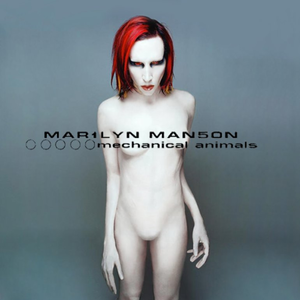
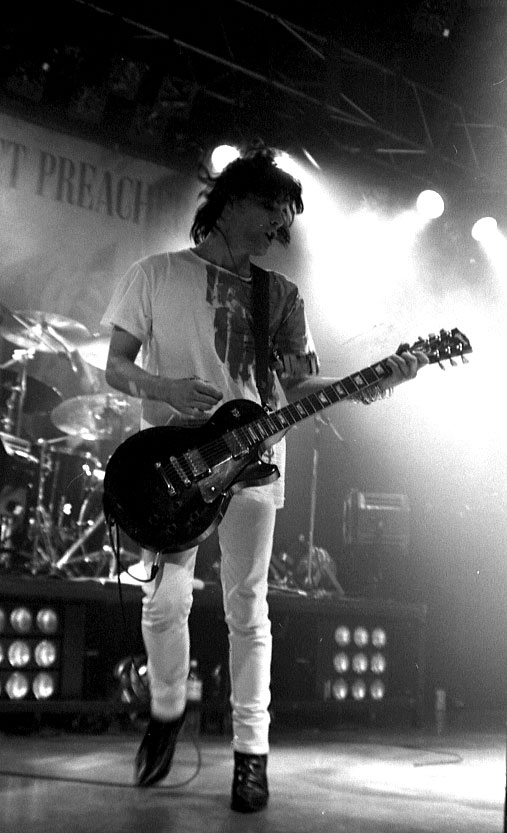
It was only when I started college that I started looking for ‘thinspiration’ to cultural idols. Again, these were not the thin female models from the catwalk. They were male figures from the eighties, rock and goth scene, such as David Bowie, Marilyn Manson and Richey Edwards, who sported an androgynous look. Looking back, this strikes me as odder than I remember, and leads me to the conclusion that I’m slightly gender fluid.
David Bowie – Ziggy StardustMarilyn Manson – Mechanical AnimalsRichey Edwards
At this time, I lost about three stone in six months, then continued to eat a restrictive diet, but yo-yoed up and down for a number of years due to binge eating and binge drinking, until I managed to get the binge eating under control. As my eating disorder shifted entirely into mild anorexia, I became underweight.
Androgyny suited my body because I’m naturally a rectangle shape with small breasts, not much of a waist, narrow hips and longish legs. I found that, when I gained weight mainly due to binge drinking, fat gathered around my stomach and on my face, making me look like a round-faced barrel on legs. When I lost weight again, I emulated a thin runner’s ideal. At present, at my ideal weight, eating healthily and strength training, my figure is more athletic and remains boyish.
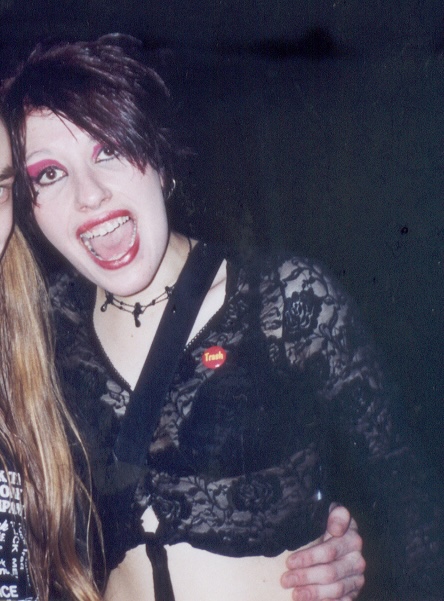
Goth period prior to being underweightHigher end of normal weightIdeal weight
As a gym-goer I could say a lot about the religion of shape and size in gyms. In the 2010s, following the 2012 Olympics, the ‘strong not skinny’ movement formed a shift away from thinness towards strength and athleticism. This values function over form, body diversity, and mental strength. It celebrates a number of body shapes such as ‘toned’, ‘fit’ and ‘built’. Yet, ‘thick toned hour-glass figures’ for women, with narrow waists and well-developed glutes and thighs, have become the new ideal. This is something I certainly can’t achieve.
The ‘strong not skinny’ movement has been subject to critique due to its exclusion of thin people and replacing one unrealistic standard, thinness, with another, fitness, when the latter is difficult to attain for people with busy lives. It has also been seen as promoting restrictive dieting and excessive exercise.
Personally, I’ve found it’s helped me shift from being thin to being stronger and healthier. When I go to the gym, I don’t feel pressured to fit into any ideal. What I love about my gym is that there are bodies of all shapes, sizes and colours there, together, working out, without criticism or judgement.
A Better Religion
In Goodbye Ed, Hello Me, (ED stands for eating disorder), Jenni Schaefer writes about how she did not manage to recover from her eating disorder fully until she found God. ‘I now know that a complete, full life for me means not only saying good-bye to Ed but also saying hello to God. I don’t think I would ever have been able to fully love myself without letting God into my life. First I let others love me, then God, and finally I was able to love myself.’
Similarly, finding my religion, Brythonic polytheism, and developing a loving relationship with my patron God, Vindos / Gwyn ap Nudd, has helped me to recover from my eating disorder and from alcohol dependency.
As I have served Him through my writing and shamanic work, Gwyn has made it increasingly clear that I need my body to be a strong vessel for inspiration from Him and my spirits. I need to be in good to health for Them and my clients. This means neither binge eating or drinking, nor restricting, nor exercising excessively. The latter is the hardest because I’ve got a hyper-active nervous system and exercise is my most effective form of stress relief. I also really enjoy it and, if I’m having a good day, I can get carried away. If I do over-exercise, I try to do my best to eat something to make up for it.
Conclusion – A Body in Service
It’s said that one of the keys to recovering from an eating disorder is shifting from how one’s body looks to what one’s body can do. I’m certainly at my happiest and have the least eating disorder thoughts when I’m immersed in something I love, whether that’s working out at the gym, writing, praying, meditating, doing shamanic work or going for a walk in my local area. This is all good so long as it’s done from a desire to serve my Gods and not to get thin, burn calories, restrict my appetites, or take my stress out on my body.
A question I keep coming back to is: ‘Who am I serving? My Gods or the ED?’
Each time I notch up a score for my Gods, I feel closer to full recovery.
This is an article for those who are new to this website explaining what Brythonic polytheism is and its significance for me as someone living in present-day Lancashire.
Brythonic polytheism is the worship of one more of the many Gods venerated by the Brythonic peoples who inhabited most of Britain from around 4000 BCE to around 800 CE. During the Anglo-Saxon invasions, the Brythonic culture and language were replaced by English in what is now England, but continued to live on in Wales.
There are various sources of evidence attesting the veneration of the Brythonic Gods. The first is archaeological and includes Romano-British temples, shrines, inscriptions, statues and altars. The second is place names (such as Luguvalium which means ‘Strong in Lugus’). The third is Roman records. Although the Roman writers don’t say anything about the Brythonic Gods they do speak about how the Gallo-Brythonic Deities were worshipped in Gaul. The fourth is medieval Welsh literature and later folklore. Herein we find the myths of the Brythonic Deities rewritten by Christian scribes and traditions of interactions with the spirits of the Brythonic Otherworld (Annwn ‘Very Deep’ or Faery) recorded by folklorists.
During the post-Roman period northern Britain and southern Scotland were known as Yr Hen Ogledd ‘the Old North’. In medieval Welsh literature there are numerous poems documenting the fall of the Old North to the Anglo-Saxons and recording the lore associated with it.
Early on my path to Brythonic polytheism I was called to look to the evidence for the veneration of the Brythonic Gods and spirits in my local area and to construct a practice based around it. I first found out that the Goddess of my local river, the Ribble, is Belisama, as evidenced by Ptolemy’s Geography, which labels the estuary Belisama aest. I discovered that there are altars to Matrona ‘the Mother’ and Maponos ‘the Son’ at Ribchester and to the Mothers at Lund, that Brigantia was worshipped in the Pennines and that two Romano-British statuettes dedicated to Nodens (as Mars-Nodontis) were discovered on Cockersand Moss. I began praying to and making offerings to these Deities and writing poetry for Them. I made contact and established relationships. Vindos / Gwyn ap Nudd (the son of Nodens / Nudd) appeared to me at a local fairy site in an intense theophany that led to me devoting myself to Him as my patron God. I also built relationships with the spirits of my house, garden and local valley.
I was initially surpised by Gwyn’s appearance even though the site mentioned is associated with a local fairy funeral legend. I didn’t realise He, the a Brythonic King of Annwn / Faery, was the fairy leader. It made further sense in relation to the statuettes dedicated to His father and to the place name Netholme (Nudd’s islet) near Martin Mere. Then, even more, when I read ‘the Conversation of Gwyn ap Nudd and Gwyddno Garanhir’ and discovered that Gwyn gathered the souls of several famous northern warriors and Culhwch and Olwen wherein Gwyn appears in two episodes (the Battle for Creiddylad and the Very Black Witch) that take place in the North.
Having a relationship with Gwyn and other Brythonic Gods rooted in the myths and lore of the Lancashire landscape and more widely of the Old North is significant to me for a number of reasons. These relationships are valuable in themselves as a source of companionship, joy, wonder and awe which moves my soul on the deepest of levels. They are also of value because they offer an alternative way of being rooted in connection with the land and local tales in opposition to the monoculture of modern technocratic capitalist society. The inspiration and guidance of these Gods and spirits provides meaning and purpose beyond the norms and rules that have led to our exploitation of the earth and both non-humans and other humans. Simply taking time out to pray, meditate, journey or create art is an act of resistance to productivity and constant screen time, as is walking, gardening and working on the land in communion with the spirits.
In Gwyn’s mythos I found a different seasonal cycle to work with – Calan Mai (Gwyn and Gwythyr’s Battle for Creiddylad), 29th Sept Gwyn’s Feast, Nos Galan Gaeaf (Gwyn’s Hunt) – as an alternative to celebrating the commercial festivals and the Wiccan / Druidic Wheel of the Year.
I’ve been a Brythonic polytheist for over thirteen years. My path has shifted and changed from being a performing poet and conference speaker, to working in conservation, to experimenting with monasticism, to my current shamanic work. Throughout, my constants have been devotion to Gwyn, creativity and having a shamanic practice and these remain my lifelines in a changing catastrophic world.
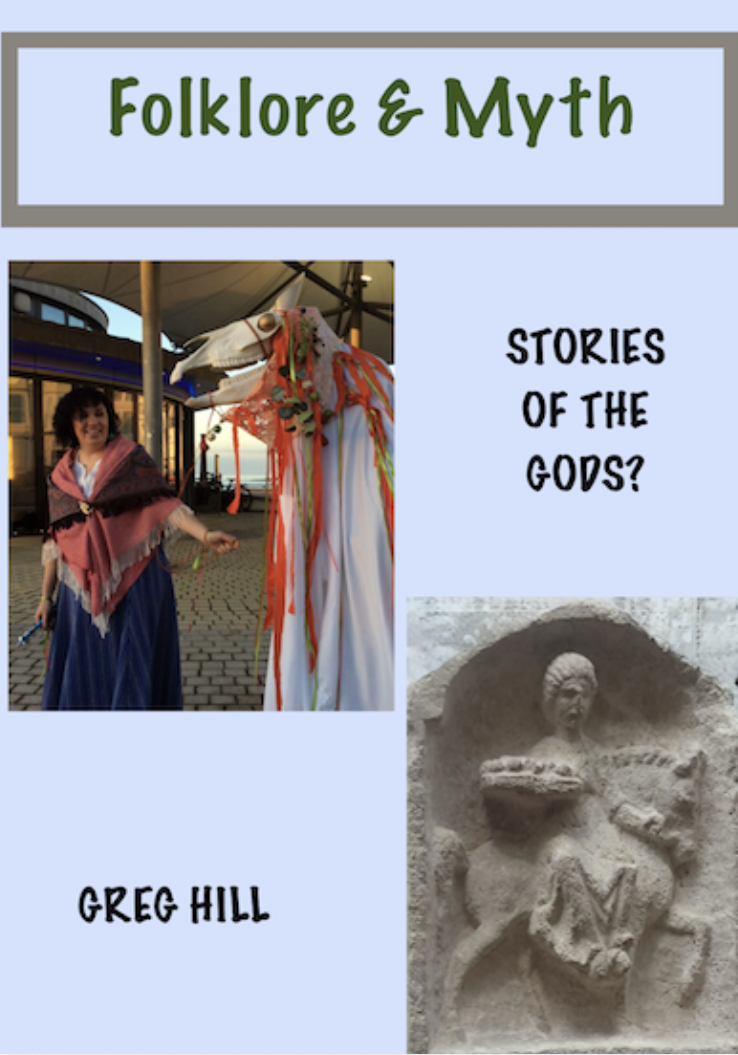
Fellow Brythonic polytheist Greg Hill has recently put together an important booklet presenting ‘A consideration of the argument that Medieval Welsh tales contain elements of Brythonic mythology and a critique of the argument that because they share motifs with folktales they cannot count as stories of the gods.’
Herein he critiques ‘the refusal to accept that there could be any continuity of coherent narrative tradition from the Pagan Iron Age to the Christian Middle Ages’ in the works of Ronald Hutton.
This is a really important piece of scholarship arguing that through ‘folklore motifs… stories of the gods were carried through the generations to be made into written tales in the Middle Ages’ and experienced in place and time through ‘experience of the numinous’.
This prayer, which can also be sung as a chant, is based on the famous Hindu Mahamrityunjaya ‘Great Death-Conquering’ Mantra HERE – a prayer to Shiva for liberation from our attachments to ignorance and untruth and a reminder of our immortality. When I was studying yoga with the Mandala Ashram I sung it for 20 minutes every week. I have started singing this prayer / chant to Vindos for 20 minutes each morning for clearer vision as I face a difficult period after giving up being Sister Patience.
We have not the myth of a son of the sun who got burnt by the sun and fell.
When Maponos stole the horses of Bel and rode skywards to the horror of His mother He did not come to grief.
Although Maponos burned He was not burnt.
He returned instead alive and ablaze, replenished, youth renewed, as the Sun-Child.
So, why, black poplars, do You grieve?
Do You grieve because Your brother lives? Do You grieve because You are jealous? Do You grieve because You got no grief?
Or is there a story of another brother?
A forgotten son of Matrona, daughter of the King of Annwn, who mounted a black horse and rode after the black sun when it set and sunk to the depths of the Underworld?
Did He drown in a black lake? Was He eaten by a black dragon? Or does He still wander lost in sorrow through a labyrinth unillumined by the rays of the black sun?
Poor brothers, did You search for Him and almost lose yourselves? Did You get trapped in a dark prison and scrape Your bloody fingers against the walls and weep?
If so, how did You get here?
Did You ride with the black sun or with the King of Annwn on the back of His black horse who carries lost souls?
Did He plant You here, He and His Queen, with labyrinthine roots winding down?
Did He seal Your tears deep within?
Did He kiss Your fingers like His Bride’s, tuck them into a yellow bud to emerge again only in the spring to reach not for the black sun but the love of a mate?
Did He bring You here to tell me when I grieve my fingers are not talons to scrape the walls and my tears are not sap to entrap the insects who get in their way?
Did He bring You here so I could learn from Your clawing, Your crying, my clawing, my weeping, to turn my grief inward in winter and then, in spring, to reach out in love?
*This poem is addressed to the two black poplars who stand at the source of Fish House Brook, near to the Sanctuary of Vindos, in my hometown of Penwortham. The photograph is of one of the fallen catkins, taken in spring 2022, not quite emerged.
‘Gwyn ap Nudd, helper of hosts, Armies fall before the hooves of your horse As swiftly as cut reeds to the ground.’ ~ ‘The Conversation of Gwyn ap Nudd and Gwyddno Garanhir’
So far it’s been a grim month. Grey skies. Heavy rain. Storms.
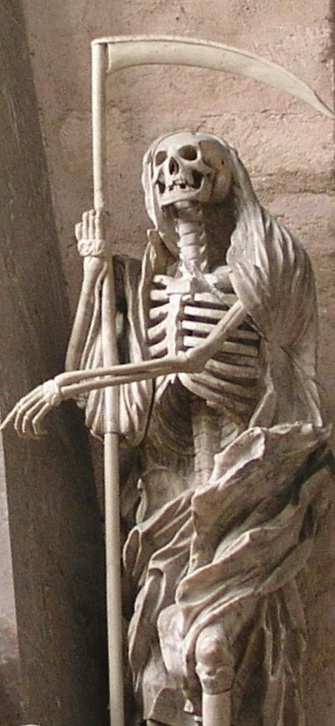
The scythe of the Reaper has been swinging, chopping, cutting. The cut reeds have been falling swiftly. The huge round hooves of His horse, of the horses of Annwn have been trampling them into the rain-soaked ground.
Sister Patience, chop, cut, gone. The Monastery of Annwn, chop, cut, gone. My dream of living the rest of my life as a nun of Annwn, chop, cut, gone.
It’s happened so suddenly. Yesterday I spent a moment, like waking in the morning after a night I’d self-harmed, in shock, thinking what have I done?
Yet this was not the work of my blade but the Reaper’s blade…
Gwyn was there to reassure me, His hand on my shoulder (slightly bony) letting me know that it was for the best, that dying reeds have got to fall.
I could see the monastery was dying but Sister Patience felt alive to me.
“Sometimes you don’t know you’re dying until it’s too late.”
I trust His wisdom in taking a part of me – a sacrifice to save the whole.
What now? I stare down at crushed reeds in the muddy churned-up ground, attempting to scry a message from the mess of my life – the mash of criss-crossed stalks and the rain-filled half moons of the hoofprints spilling into pools.
There’s always been an obvious road that I’ve never managed to take. Write that much-needed book on Brythonic polytheism or Brythonic shamanism. Write some how-tos on how to meet the Brythonic Gods. It’s always been blocked. That dark hooded figure with His scythe in the way.
“That is not your work,” he slides a whetstone along the curved blade. “I want you to write the words that cut to the truth, that hurt, that have edge.”
I see I’ll always be an edge person. Not salesy enough to sell. Not humble or practial enough to crawl away from the blogosphere and get a proper job. Suburban in the sense of lower down rather than rows of identical houses with cut lawns (although I live in one). Far too English to be properly Brythonic.
I’ll never be able to say, “Look at my bright shiny life you can have this too!”
Yet, in giving voice to uncomfortable edges, to exploring the messier, lesser-spoken side of relationship with Gods and spirits I feel I have a place as a writer and guide.
A place of cut and trampled reeds, muddy waters, dark hooves, forever shadowed by the Reaper’s hooded form and His skeletal touch.
Photograph from when I was cutting reeds during a fen cut (albeit with a brushcutter rather than a scythe) when I worked for the Lancashire Wildlife Trust on the Wigan Flashes.
I. I didn’t make a very good nun. The Dark Magician mocked me when I told him I was going to be a holy woman. I think he knew I did it to escape my name.
“Loo-nar,” they called me at school. Somehow they knew I’d be a loner. Loony. Pulled and pushed, against my will, by the tides of the moon.
How I wanted to get rid of that name. How I wanted to get rid of my memories: of how it was spoken with mockery, of how it was used by my parents and teachers to order me about as if they were magicians summoning and ordering a spirit, of how lovers I couldn’t satisfy spoke it.
I think I preferred ‘pig’ even in the mouths of the bullies and those who spoke it more jokingly because I snaffled up the leftovers using a hatred of food waste as an excuse because I couldn’t control my hunger when I was drunk.
And ‘Smithers’ was far too English for someone who worshipped a Welsh God.
To escape her lowliness, upon the calling of the Gods, Lorna Smithers tried to make a name for herself; standing on a stage in the centre of the Flag Market in Preston, in cafés, in pubs; posting on social media.
It was all too much – she vanished into the land and reappeared as Sister Patience.
II. Sister Patience sprung up like a mushroom from an invisible mycelial network. Nuns of Annwn and Fruits of Annwn are similar things. They appear with birch trees – a pioneer species. Neither lasts for long. But they both prepare the way for future dreams, strange and hallucinatory, then they disappear.
III. What can I say of monastic life? I might have learnt to play the Heartbeat of Annwn but did I live truly live in alignment with it? Was I truly alive?
Or did I just obsess about how well I did with giving up things?
I battled with food, alcohol, exercise, emails, blogging, books, all my addictions…
And some of them I conquered and some of those things I could not give up.
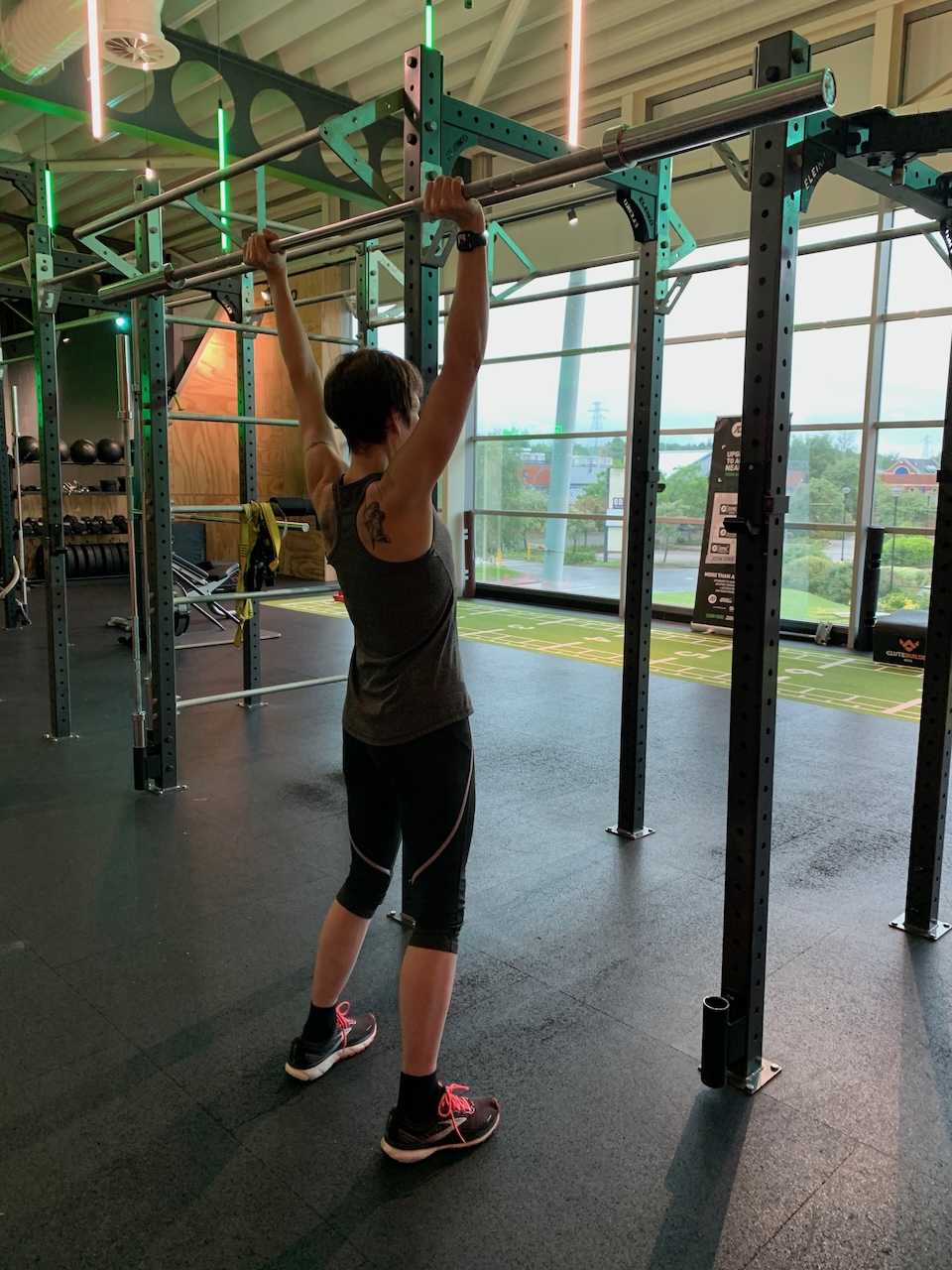
Exercise – the gym. The satisfaction of shifting more than my body weight on the leg press, getting one more rep in on my barbell bench press without dropping the bar on myself, removing another 2.3kg towards an unassisted pull-up.
Food – Gods damnit, I love food. I managed to eliminate all added sugar. I weaned down to oats, fish, meat, cheese, eggs, multicoloured fruit and veg – to what my body, my gut, spoke it truly needed. But could I fast for a day or even or a half day? No.
I came to realise that, as an active person, fasting is not my ascesis. I was not destined, like the saints, the boddhisatvas, the gurus, to be like a bee or a hummingbird, living lightly, drifting that way into inebriation.
I had too much guilt to carry. Like my running shoes. Deceivingly light. My final confession. Brooks Ghosts, women’s size 7.5, every 500 miles. Now I’m not running so much, I’ve cut down, but I still get my steps in on the treadmill, the elliptical, the stairstepper…
“Ghosts on your feet, my beloved,” the King of Annwn speaks with irony, hinting at the petroleum-based materials taken from the Underworld.
Yet, the original meaning of ascesis related to athleticism. Maybe I can be redeemed?
IV. And what of those other athleticisms of monks and nuns for which they are revered? Of prayer and meditation? In my experiments, did I fail or succeed?
Unfortunately, there are few words to describe the silence that one enters into in deep prayer or deep meditation, but there were times I got there.
Instead, I might tell you of a rather guilty and hubristic dream in which Sister Patience and Saint Theresa of Ávila were both the recipients of offerings beside a pool in a woodland grove. Afterwards, they ran ecstatically, barefoot, in their habits, into the woodland, and I never saw them again.
Once, in the silences between chanting Om, I gained a sense of Absolute Consciousness. Was this Brahman, Bhairava, Shiva? Was Gwyn the equivalent in our Brythonic tradition? I have no answers.
The Christian tradition of kenosis, ‘self-emptying’, in order to be filled with the divine, relates to the shamanic concept of the ‘hollow bone’, to being an empty cauldron or vessel in the Brythonic tradition and still intrigues me.
I gained access to the witness part of oneself, which features in Eastern and Western traditions and is summarised in the Camoldolese rule: ‘Sit in your cell as in paradise. Put the whole world behind you and forget it. Watch your thoughts like a good fisherman watching for fish.’ In my personal mythos, this relates to Gwyn’s father, Nodens / Nudd ‘the Fisher King,’ to the patient Heron.
V. I wasn’t a very good nun. I had no prospects of being a saint. Yet the insights I gained will be carried with me into being a good devotee of Vindos / Gwyn. Into being a good shamanic practitioner. I’m hoping that, in the future, the impulse to be holy will be tempered by the impulse to be human, and this will help me to serve my Gods and others better through my writing and shamanic work.
I wrote this song for Gwyn ap Nudd to celebrate September which is known in Cornwall as Gwyngala ‘White Fields’ and in Wales as Mis Medi ‘the Reaping Month’. Here I equate Gwyn with Llwyd ap Cil Coed from the Third Branch of The Mabinogion, who sends His people as a plague of mice to eat the wheat fields with His wife as the ring-leader. Llwyd is likely to be the Welsh folkloric figure Brenin Llwyd ‘the Grey King’.






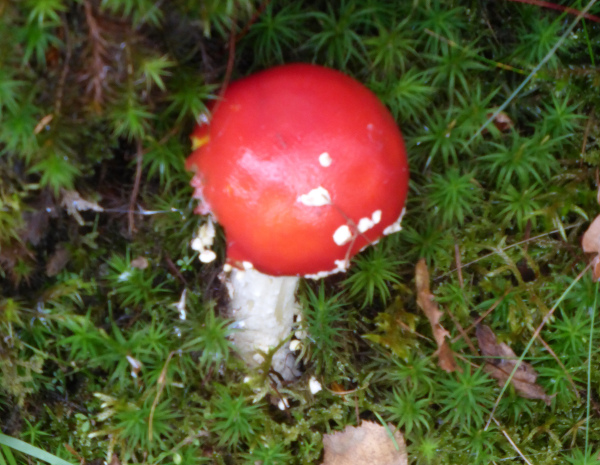

 The Sanctuary of Vindos