Ward’s Stone

Now, at that highest point
on the fells, no trace remains of what
was done so long ago,
but its name has endured.
They call it
the Wardstone.
– Joseph Delaney

What was done so long ago?
Bog feet squelch across the moors.
Black peaty waters know.
Underground streams pour.

Its name has endured.
Sphagnum knows the springy secret
of the one known as the ward
but cannot keep it.

They call it the Wardstone,
say it keeps the fells in place,
some Annuvian monster down.
At the highest point no trace.

This slideshow requires JavaScript.

I’ve lived in Lancashire since I was six but this is the first time I’ve been to Ward’s Stone, the highest fell, made hauntingly legendary by Joseph Delaney in his awesome Wardstone Chronicles.

It’s a wonderful place although not many humans seem to visit. I saw one group of students who gave up after the first few boggy patches and a couple who vanished into the earth at the Queen’s Chair. Somehow, in spite of all the bogs, I didn’t get wet feet. Walking boots are the best invention ever!

Mabon Learns to Play the Harp

It was Mabon who played then in the youth of the world
Greg Hill

Take the hand of the invisible
and make it visible.

Pluck a chord of light
like a string from the ball of the sun.

Imagine spiders spinning their webs

between the constellations;
the songs of the stars,

make them audible.

Fashion the nine chords
of my harp – the harp of Teirtu –

do not think of how it will play alone
as you in this House of Stone

in the hall of Pen Annwn.
Think not of the turning of his fortress

‘in Annwn below the earth’
or ‘in the air above’.

Do not ponder the reason
for your imprisonment – why

you must become an awenydd or bard.

Reach into the darkness with the audacity
of youth and imagine the discovery

of the wealthy realms of Pluto.

Ask not why the sun does not shine there,
why a dog’s jaws are the doors

and questions remain unanswered.
Reach deep within for the chord that moves

the hearts of planets – underworld gods.

In the river of tears consume the hazel nut
unknowing if it contains the awen

or countless meteoric souls.

Escape down the trail of a meteor
on the salmon of Llyn Llyw.

Take the hand of the visible
and make it invisible.

Forget this story –
you have always been the harper
and my harp has always played on…

Mabon's Harp

For Tonight

I am a shape who shifts
like the costumes of mosses
like the rabbit eyes of trees

Tockholes I

leaping out of my skin
plunging into the dark arms
of underwater trees

Tockholes III

for once knowing beauty and fluidity
as I run down stairs without
missing a single step.

Tockholes IV

I am the waterfall and its deep pool,
the sun reflected and the fear
of loss surrounding him
like the magic of Faerie,
the golden ball,

Tockholes V

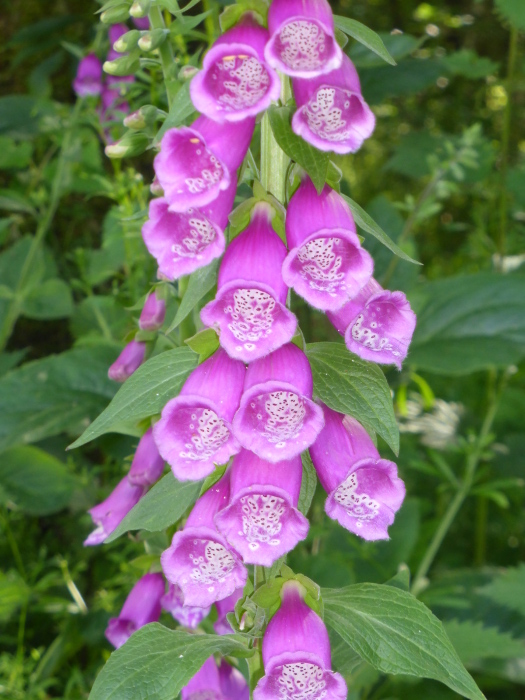
the secrets found by bees
crawling into the purple caverns
of foxgloves emerging centuries later
coated in dusty wisdom.

Tockholes VII (copy)

Can it be possible
that I am wide awake
like your rival as you dream
these enchantments

and here, now, even
at midsummer

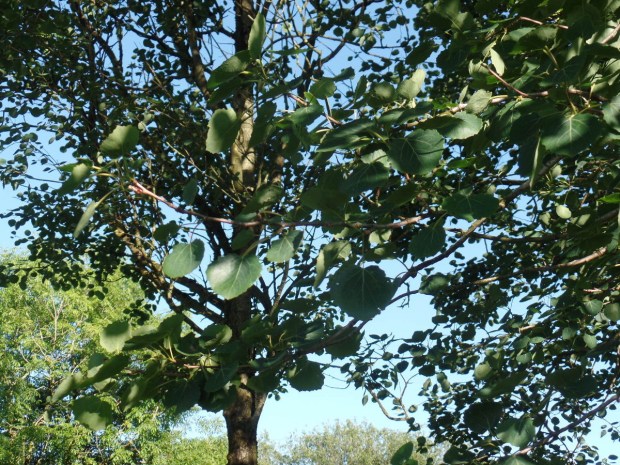
the aspen trembles
at your name?

SAMSUNG CAMERA PICTURES

*This poem is based on a walk in Tockholes Wood on Midsummer Eve and is addressed to Gwyn, who remains a presence in my life even in his absence from the landscape.

Her Crying Eye

For Creiddylad

Weep tears
surround me
like a stranger
to all hope like
a Goth song

always winter

in black by
the strobe lights
underground.

In the catacombs
the priestess weeps:
the altar is gone.

Reminders flash.

Was this worship?

Raising my hands
to the other stars of
disco balls drums

pounding sadness
all night in the dark
half of the year?

Pay the price.

Yes I’m paying.

Must I pay by tears?

I stole her ecstasy
in a white-cream pill.

Was this happiness?

Flashbacks repeat.

I am always empty
but her crystal tears
suggest something.

I wish I could cry.


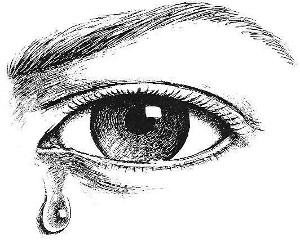
Crying Eye Clip Art Library II

*This poem was inspired by the visions of two participants in a workshop I ran on ‘Honouring Creiddylad’ at the Space to Emerge camp – they both saw a crying eye.

Seeking Blodeuedd

Cherry Blossoms Conti April 2019

I.
I seek you
where the petals
of magnolia fall
and cherry blossom
see you fleeing the ideal
of pale flesh

running into the woods
seeing yourself everywhere
dew beads on bluebells.

Doomed to be beautiful
you want to tear off your face.

II.
You want to sink your talons
into Lleu for whom you were made,

who acts like such a mummy’s boy
even though his mother disowned him,
refused to give him a name, weapons, a wife.
You hate this explanation for your being
and sate your hatred on loving Lleu

who did nothing wrong except be a man
in the wrong time and place.

III.
You do not know who Gronw is
until he brings you the stag’s head,
antlers shadowed on your bedroom wall,
until you wake knowing you have

a soul and weep for the first time.

Seeing clearly you choose your fate –
you will kill to have your own way.

Eyes large and wide honeyed beak:
“Tell me how can you be killed?”

IV.
Every Sunday you help to polish
the shaft of the poisoned spear,
try to restrain hysterical laughter
as you round up the goats by the river,
strip him, sponge him in the bath,
help him into that ludicrous position,
one foot on the goat one on the rim,
stark bollock naked shining like the sun.

When the spear strikes the sun falls
from the sky and flies away as an eagle
and you are left in darkness already
a creature of the night – Flower Face,

petals wilting in your marital bed,
flying free embracing your dark truth.

When Gwydion speaks your true name:
Blodeuwedd he does not know what he
called up, bound, and released.

The Riddles of Manawydan

What is the water you cannot drink?
What is the mineral that kills and cures?
What is the ship you cannot sink?
What is the light that warns and lures?
Who sings the song that robs and feeds?
Who are the horses that run without feet?
Where is the cloak that was shaken between?
Why does the sea yearn for the land?
Why is this seafarer land bound?

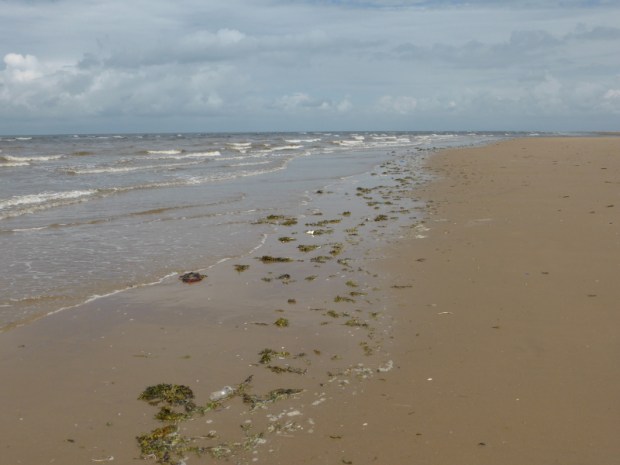
Sea at Blackpool

Ffortiwna

Ffortiwna
you are beautiful
sparkling-eyed
contagious laughter

humming at your wheel
the silver threads of destiny
shimmering between your fingers
your silver thimble dancing
as you sew our garments

your magpies plucking
the threads and cutting them off
with a snap of their beaks.

On your loom we are broken
and rewoven more tightly
into your singing web.

You are spider-like
in your song many-eyed
watching over us.

You are undecipherable.

We count your magpies
but cannot guess your will.

You raise us up and whirl us
through the skies in your chariot
of thundering silver wheels
then you hurl us down.

Still I come to court you
with magpie-feathered hair
on bent trembling knees

in gratitude and acceptance.

Everyone weeps with me.

Wheels and Feather of Ffortiwna

*This poem was written as a response to ‘O Fortuna‘, a complaint about the goddess of Fortune in the Classical myths. A few months ago I had an encounter with the Gallo-Brythonic god Taranis and his daughter, who told me she was known as Fortune by the Romans. I afterwards intuited that in the eyes of the Britons she would have been known as Ffortiwna. This poems attempts to present a more balanced view of this goddess based on my personal gnosis.

The Epiphany of Lleu Llaw Gyffes

Lleu

I. The Oak

Lleu-in-the-Tree
Lleu-in-the-Tree
Lleu-in-the-Tree

Tell me why
he has pierced us
with his spear

Lleu-in-the-Tree
Lleu-in-the-Tree
Lleu-in-the-Tree

Tell me why
ooze drips from our
rancid wounds

Lleu-in-the-Tree
Lleu-in-the-Tree
Lleu-in-the-Tree

Tell me why
we are filled with
rot and maggots

Lleu-in-the-Tree
Lleu-in-the-Tree
Lleu-in-the-Tree

Tell me what
visions we must see
in these leaves

Lleu-in-the-Tree
Lleu-in-the-Tree
Lleu-in-the-Tree

Tell me what
lessons we have
failed to learn

II. Lleu’s Lament

I am filled with bitterness:
black bile, yellow bile, phlegm, blood,
yet no theory of the humours
or anatomy of melancholy
explains my sad state

and no letting of blood
or application of leeches can
purge the badness within.

So I am here on this tree
telling the story of how I saw
the sun and it was Fool’s Gold.
My wife was made of flowers.
My armour turned to dust.
My fortress was rubble.

I have lost the meaning of my name.

I have come to doubt I even exist,
yet cannot close my eagle eyes.

Like the Eagle of Gwernabwy
I have watched civilisations rise and fall.
Like the Eagles of Pengwern and Eli
I have sunk my beak into flesh
and tasted rot and maggots.

I have seen the rotting corpses
on the battlefield at the end of the world,
the souls sparkling like iron pyrite
in the veins of the night skies.

I have looked into the abyss
and the bright lights do not console me.

I go with reluctance into Gwydion’s arms.

III. Lleu’s Resurrection

He does not want to live,
this putrid sack of dirty feathers,
bones, rotten flesh, stench,

still I clamp my mouth to his,

massage his reluctant heart
slippery and recalcitrant.

When this does not work
I call upon all the electricity
from Maentwrog Power Station,
take the paddles and recite

the words of a forbidden spell
stolen from the depths of Annwn
to bring life to the newly dead.

An ALMIGHTY FLASH –

his body jerks like frog’s legs
or the monster of Frankenstein.

He breaks the leathery bonds,
shakes off his feathers and rises
like the sun from my stony table
leaving a black charred shape.

A haze of smoke surrounds him.

His eyes are burning his hair aflame!

BEHOLD THE RESURRECTION
OF THE LIGHTNING GOD!

IV. Dinas Lleu

Lleu will not return
to Dinas Lleu tonight

woodbine twines the walls
as if in search for a lover

an owl circles overhead
with a hoot is gone.

Lleu will not return
to Dinas Lleu tonight

thistles break into the hall
to find an empty hearth

the fire long gone out,
a pile of black char.

Lleu will not return
to Dinas Lleu tonight

in the ashes I scrawl
with a feather the outline

of a bird against the sun
unknowing if it is the end

or beginning of a myth.

*I wrote this sequence of poems in a single morning shortly after finding out I’d got an infection following my hernia repair operation. Thankfully it seems to have cleared up now.

Review: Mapping the Contours by Nimue Brown

mapping the contours by nimue brownThere’s something old about the poems in this book, a bone-deep knowing, a merging of self and land which is reflected in the cover image. It speaks of a time when the hills were the contours of giantesses, the curves of beautiful goddesses, a time that still is and is not with us now.
‘Walking myself into the landscape, and walking the landscape into myself’ is the way bard and druid author Nimue Brown describes the process behind her new poetry collection Mapping the Contours. In the poem that provides the title she says ‘Human bodies are much like landscapes.’

In ‘Raised upon these hills’, one of the most beautiful hymns to a landscape I have ever read, Nimue evokes her lifelong relationship with the Cotswold Edge:

I was raised upon these hills,
My bones are made of limestone,
Sweet Jurassic limestone,
Grown from ancient seas.
I was raised upon these hills
My body made of fossils
Where the Cotswolds meet the Severn,
And the Severn seeks the sea.

She, land, and goddess are inseparable. In ‘Seeking Goddess’ Nimue speaks of going to the forest, rooting with the boar, sleeping with the lynx, making love with the trees, becoming ivy-templed and bird-haired, sharing milk and giving birth to bees. Inseparable too are the local animals and plants: urban foxes, an otter on a bus station, wild swans over the Severn, brambles, orchids, fly agaric. And most strangely a lonely ‘telephone bird’ ‘Outside my window impersonating / A ringing phone.’

There is a lot more uncanniness in this collection encountered in both the seen and unseen worlds. Trolls long to drink ‘the elixir of your terror’ and ‘dead things’ fall from the mouths of the dark siblings of the Shining Ones. In ‘Granny’s house’ ‘All chicken magic and bones’ Baba Yaga

…bears the knife
Opening bone truths
My shoulder blades
My wings
Beauty never dared
Whilst living.

As well as engaging with folklore Nimue provides a more homely and nourishing alternative take on old British myths originating from the Dark Ages of warlords and shining-browed bards. Her cauldron does not brew potions for ‘blinding flashes or ‘burning heads’ but ‘soil food, soul food’, ‘everyday gifts’. Her thirteen treasures are not weapons but a loom, a log, a seed, a cup, a candle…

Tongue-in-cheek she speaks of becoming ‘indigenous English’, a ‘Dirty Briton’, claiming back soil and soul. This act of reclaiming forms the heart of the book. I’d recommend it to all poets, Pagans, and nature lovers as a paradigmatic record of recovering an ancient way of being that lies within our bones and the bones of the land.

You can buy Mapping the Contours HERE and read Nimue’s blog, Druid Life, HERE.

Caer Wydion

I go to the fortress of Lleu and Gwydion.’
The Dialogue of Taliesin and Ugnach

I.
Beneath
the mountain
there is a fighter jet

emblazoned with the name GWYDION.

On the passenger seat
there is a single
mushroom.

EAT ME it says.

I’m a sucker for a trick.

A one-way flight to Caer Wydion.

II.
I take one bite.

It’s enough –
the plane dismantles
and the bonds of my atoms break.

Whatever is left is hurtled through space
to a fortress in a woodland
where trees bow down
to only one.

III.
In a giant’s crown
Gwydion holds court
with the eagle-headed Lleu

and his three animal children –

Hyddwn, Hwchddwn, Bleiddwn,
fawn, piglet, snarling wolf-cub
polite in their bibs.

Gilfaethwy sits beside him –
brother and bride and groom
with sow’s ears and a snout.

Gwydion wears polished silver antlers
and a wolf-skin coat studded
with stars on the inside.

He throws down his wand.

At the look on my face his courtiers
laugh until their sides split
and their insides

fall out and roll about the floor
like jellies still trembling
with laughter.

Of course I can’t help but step over
the wand of the enchanter
then watch helpless

as my insides fall out –
an hysterical woman clutching
her wandering womb.

IV.
Two men with pencils
in the pockets of their lab coats
and long silky ass’s ears

take me down to the basement

where homunculi with eyes
in their foreheads are singing
eerie prophecies in glass jars:

a dozen miniature Taliesins
with tiny imperfections like
missing ears, fingers, toes.

V.
Along an endless corridor
are countless doors opening
into rooms where hybrid plants
turn toward fluorescent lights
to the pulse of a water pump.

“Gwydion will never create
the perfect wife for Lleu.”

A feather light voice in my ear
then talons grip my shoulders

and bear me back to my home.

Fly Agaric, Coed Felinrhyd