Core Shamanism and its Advantages and Disadvantages

Shamanism was conceptualised and reintroduced to Western Europe in the 1970s by an American anthropologist called Michael Harner. Harner travelled to the Amazon in the late 1950s and 1960s and lived with the Shuar and Conibo peoples to study their religion. When he reached the point he could find no more information one of the Conibo elders told him he must experience it directly by drinking ayhuasca. The visions he experienced served as proof of the existence of a spiritual reality. He was initiated into both tribes as a shaman and trained in their practices. He then travelled the world visiting shamanic peoples and learning from them.

From this process Harner extracted the core of world-wide indigenous shamanisms without the cultural rites and trappings and made it accessible to Westerners. Harner-style shamanism is therefore also referred to as core shamanism.

Harner claimed that at the core of all shamanic cultures is the belief in three worlds. The Middle World is unique because it has both a physical reality (this world) and a spiritual reality (which might be seen as the other side of this world). Then there is the Lower World, below, where we find natural landscapes and nature spirits such as animals, plants and trees. We might also find mythic and folkloric beings, Gods and Goddesses and ancestors (who are most often from ancient shamanic cultures). In the Upper World, above, we find ethereal and heavenly landscapes and the spirits of clouds, the sun, the moon, the stars, along with the Gods and spirits associated with the heavens in world religions including the Christian God and angels. We also find ascended ancestors such as Christian saints, Hindu gurus, Buddhist boddhisatvas and wise elders such as philosophers and magicians.

It was Michael Harner who brought the shamanic journey to the forefront of shamanism and backgrounded the traditions of inviting the spirits to be here with us or into our bodies. A core shamanic journey has a set framework and structure.

First and foremost one always journeys with an intention. This is the focus of the journey and keeps it on track, preventing the practitioner from getting side-tracked or lost. The intention can be to ask for guidance on a problem, for healing, to find something that has been lost, or simply to explore or spend time with the spirits. It is essential that the intention is held to throughout the shamanic journey.

The shamanic journey always begins at a departure point. This is somewhere in the physical world that is meaningful to the practitioner. To get to the Lower World it must be a place from where one can descend and can be a natural feature such as a cave, a pool, a spring, a tree root, or a manmade feature like a tunnel or a subway. For the Upper World one can take flight from a hill or mountain, or a church tower, or go up a chimney, or travel upwards on smoke or up a ladder. In the Middle World we merely need to enter a trance state to travel its spiritual otherside.

It is through Michael Harner the shamanic journey came be primarily associated with a drum. Harner trialled many different methods of entering a shamanic trance and reached the conclusion that a drumbeat is the quickest, safest and most effective. A beat of 4 – 7 beats per second shifts the mind very quickly into the theta state (gamma – highly focused, beta – everyday busy mind, alpha – meditative, theta – daydream-like, delta – sleep). It offers both a safe way to journey and come back. To signal the end of a journey a call-back beat is sounded – 4 rounds of six sharp beats. This is followed by a minute or so of rapid fire beats. This tells the person who is journeying to thank whoever they are communicating with, then turn around and retrace their steps to their departure point following the same route as they went in. This method brings them back, well-grounded, into their body.

There are also a number of core concepts and practices. One of the concepts is that each of us has a power animal. This is drawn from the northern Native American cultures and is seen to be a spirit animal who is with us throughout our life and is the source of our personal power. Our relationship with our power animal is usually deeper and more personal than with other animal spirit guides who tend to come and go. Power animals are most often found in the Lower World.

Another core concept is the spirit teacher who is usually found in the Upper World. This teacher, again, unlike other human and spirit teachers, tends to be with us throughout most of our lives supporting us and offering guidance through life’s lessons.

One of the best known core practices is soul retrieval. This is based on the notion that when we experience traumatic events a part of our soul is shocked out of us and takes refuge in spiritual reality. We also send parts of our souls away in order to fit in with consensus reality in the physical world – these are often parts that are child-like or wild and might prevent us from attaining material success and financial security. Because those parts are long lost or because we sent them away it takes a shaman’s skill to bring them back. Spontaneous soul retrieval can also occur when we make positive changes in our lives that appeal to lost soul parts, calling them to return. Other core practices include extraction – the removal of harmful energies, depossession – the removal of harmful entities, and psychopomping.

Core shamanism has its advantages and disadvantages. Its main advantage is that it is not tied to one culture or religion, thus making it universal and available to everyone. It also allows practitioners from across varying traditions to practice together.

The disadvantage of this, however, is that the practices take place without the cultural rites for interacting with local and communal spirits such as prayers and offerings, there is no mythic framework or roadmap of the spiritual reality, neither are there traditions of initiation or tribal elders to oversee the initiatory and learnng processes.

Yet the universality and proliferation of core shamanism is overall a good thing as it is giving people back their birth right – the ability to journey to the spiritual reality and commune with helping spirits in order to gain guidance, healing and inspiration.

Evidence for Shamanism in Britain

One of the main types of evidence for shamanic beliefs in Britain is burials with gravegoods. The fact that the ancient Britons buried their dead with accompaniments is suggestive of the belief they took their belongings with them into an Otherworld which was seen to be very much like Thisworld. 

The earliest is the so-called Paviland Red Lady (who was actually a male warrior). His bones were stained with red ochre and he was laid out with ivory rods and sea shells. Later burials in burial mounds have been found accompanied with weapons, jewellery, cauldrons and eating and drinking vessels, games, chariots and horses. 

Another type of evidence is ritual depositions in liminal places which provided access to the Otherworld. Many of these are watery – we find weaponry such as swords and spearheads deposited in lakes, rivers, springs, pools and bogs. Deposits were also made in places leading underground such as caves, crevices and beneath the roots of trees (such as bog oaks here in Lancashire). Ritual pits and shafts were also dug purposefully for depositions of coins and pottery. This demonstrates the Britons had a reciprocal relationship with the spirits of the Otherworld.

Wooden idols which might represent threshold guardians who oversaw the boundaries between the worlds have been found across Britain. These include the Ballachullish Goddess, the Kingsteignton Idol, the Dagenham Idol and the Somerset God Dolly. The Roos Carr Figures, eight wooden warriors with quartzite eyes and removable phalluses and their serpent-headed boats may have been modelled on mythic figures who made voyages to the spiritual reality.

In Deal, Kent, a remarkable chalk figurine was found in a chamber at the bottom of a ritual shaft suggesting communion with an Otherworld Deity.

At Starr Carr, in North Yorkshire, 21 antlered frontlets dating to around 9,000 years ago were found. It has been suggested they were used in a shamanic ceremony to bring luck in the hunt before being deposited as offerings to the deer spirits.

Across the world cave art is cited as evidence of shamanic experiences. Here in Britain our oldest example is from Cresswell Crags, dating back to 13,000 – 11,000 years ago with carvings of a deer, a bison, a horse and birds and bird-headed figures.

Writing at the time of the Roman Invasions (we have no written evidence from the Britons themselves because they wrote nothing down), Julius Caesar, said the Gauls, whose traditions derived from Britain, believed ‘the soul does not die but crosses over after death from one place to another.’

We find a possible reference to a native British shamanic tradition that survived into the 1100s in the writings of Gerald of Wales. He records the existence of ‘soothsayers’ known as awenyddion, ‘persons inspired’ who are possessed by ‘ignorant spirits’ or ‘demons’ and who speak in ‘nugatory’ ‘incoherent’ language (ie. the language of prophecy as they give voice to the spirits of the Otherworld).

In medieval Welsh literature we discover the name of the British Otherworld, Annwn, from An ‘very’ and dwfn ‘deep’, again suggesting it lies underground. There are many stories about human interactions with Annwn and its spirits and Deities. In The Mabinogion, Pwyll, Prince of Dyfed mistakenly allows his hounds to feast on a stag which has been killed by the hounds of Arawn, a King of Annwn. To make up for his misdeed he takes Arawn’s place in Annwn for a year and a wins his battle against his rival, Hafgan, and wins Arawn’s favour. Someone who does not behave so respectfully is King Arthur. In ‘The Spoils of Annwn’ he voyages to the Otherworld, steals its magical animals and treasures, including the King of Annwn’s cauldron, and kills the cauldron keeper and, potentially, the King of Annwn himself. Annwn was later known as Faery and we have many stories from the Victorian times until now of sightings of the fairies and people lured into their dances and into their realm.

Within the Welsh bardic tradition, Taliesin, a shapeshifting bard is viewed to have shamanic qualities. Bards to this day channel the spirit of Taliesin and his forebears. 

The British witchcraft tradition is also deeply shamanic with its records of spirit flights and pacts and relationships with familiar spirits (although some stories were projected on women, often Catholics, who did not participate in such practices.)

Sadly, within the shamanic communities here in Britain, much of this evidence remains little known and explored and it is more common for people to look to other traditions, going abroad to take ayhuasca, or looking to the indigenous shamanic cultures of other lands, rather than exploring the lands and lore that are on our doorstep.

*Antlered frontlet courtesy of Wikipedia Commons.

What is Shamanism?

Shamanism is an ancient spiritual tradition dating back at least 40,000 years. It is not a religion but a body of techniques centring on altering one’s state of consciousness to access a spiritual reality and commune with helping spirits for the purposes of accessing guidance, healing and inspiration.
Shamanism is founded on animism. Animism, from the Latin anima ‘soul’ is the belief that the whole world is inspirited. Every mountain, hill, river, tree, plant, fungus, animal, bird, fish, insect and bacterium has a spirit. So does the man-made environment. Houses, churches, office blocks, smart phones, laptops, tools, all have spirits. Thoughts, feelings and emotions, such as love and jealousy, have spirits too. 

In animistic cultures significant landscape features are often viewed as particularly sacred and are associated with spirits of place and Deities. For example we know the river Ribble in Lancashire has a Goddess, Belisama, as the Roman geographer, Ptolemy, in the second century, labelled the Ribble estuary Belisama aest.

Animistic peoples are often also polytheistic. Polytheism is the belief in many Gods. These include local and tribal Gods and Goddesses and Deities who oversee certain functions such as learning, parenting, hunting, war, life and death.

Whilst all shamanic cultures are animistic not all animistic cultures are shamanic. Shamanism takes the belief all things are inspirited one step further. Shamanic peoples also believe in the existence of a spiritual reality that is separate from but intimately connected with physical reality. This spiritual reality has its own landscapes and is populated with spirits who have their own ways of being.

Everybody has the abilitity to ‘shamanise’ – to interact with the spirits and Deities of the household, tribe, locality, and of the spiritual reality. However, there is usually a specific person who serves their community as a shaman – a specialist in interacting with the spirits who has received a calling and undergone a rigorous training.

I will pause here to note the term ‘shaman’ comes from saman ‘one who knows’ from the Russian Tungus people and indigenous cultures have their own names for  shamans. The application of ‘shaman’ and the term ‘shamanism’ to these cultures is a Western development. In the West we only use the term ‘shaman’ to describe a person in an indigenous culture who communes with the spirits to serve their community. Westerners who practice shamanism refer to themselves as shamanic practitioners.

There are two main ways that shamans interact with the spiritual reality. The first is the spirit flight or shamanic journey wherein the soul leaves the body and journeys to the spiritual reality to travel its landscapes and commune with its spirits. The second is inviting the spirits to be with us in this reality. This might take the form of calling them to be present alongside us in the physical realm or into our bodies to dance with us, eat with us, or to speak through us, thus offering guidance directly.

Entering an altered state of consciousness can be done in many ways. These include: listening to repetitive music such as drumming or rattling, dancing, chanting fasting, silence and taking entheogens such as ayhuasca, San Pedro cactus, or psychotropic mushrooms such as fly agaric and liberty cap (which we have in the UK).

We all move through various states of consciousness throughout the day and many people are familiar with trance through going out and dancing to trance music. Where shamanic practice differs is that a shaman enters trance with will and intention and uses it to commune with the spiritual reality to serve to their community.

So how does somebody become a shaman? In indigenous cultures the role of the shaman can be hereditary or a person might be called by the spirits. This can happen when they come of age or may be triggered by a traumatic event such as a physical injury, a mental breakdown or a near death experience. This is often referred to as ‘shamanic sickness’. To outer appearances the person is seen to ‘go mad’ or fall into a depression. It’s common for them to remove themselves from everyday society, sometimes into the wilderness, to spend time alone. During this period their psyche, bearing its presuppositions, rules and norms of everyday reality is broken down and ‘dies’ and they are initiated into the metaphorical, mythic, dreamlike ways of being of the spiritual reality. Once this process is completed they return to their community ‘reborn’ and ready to serve as a shaman. 

A shaman serves their communities in many ways. Some of these are very practical – using their skills of soul flight and communing with the spirits to find the herds when the people are hungry or to find lost pets or possessions. Shamans also use their abilities to heal. This can take the form of energy healing or they might work with plant spirits and herbal medicines. They are able to remove harmful energies and entities from people and places. Pyschopomping, helping the dead to pass and aiding spirits who are trapped in this world to move on, is also a shamanic role.

Whereas these ancient shamanic practices have been maintained in places such as Siberia, Mexico and the Amazon and amongst the Native American peoples, sadly shamanism has been lost from Western Europe. This is mainly due to the hegemony of Christianity. The Christianisation of Britain began in the fourth century when it was under Roman rule and the emperor, Constantine, converted to Christianity. This resulted in the taking over the sacred sites associated with pre-Christian Gods and and spirits and re-dedicating them to the Christian God, Jesus, Mary, the angels and the saints and labelling many of our indigenous Deities as ‘devils’. Our capacity to shamanise was taken away by the ban on communicating with our local spirits and Deities and replaced with the rule we can only commune with the Christian Deities through set prayers, attending church and seeing a priest. Rationalism, materialism, science, industrialisation and capitalism have also played a role.

The King of Annwn Complete

The King of Annwn is now complete. It was gifted to Gwyn and my patrons yesterday. It will not be officially published but is available as a PDF HERE. Donations can be made by emailing sisterpatience22@gmail.com. Below is the introduction.

Fragments of a Lost Mythos

I wrote this book for love of a God. He was known in ancient Britain as Vindos ‘White’ and is still known in Wales and beyond as Gwyn ap Nudd ‘White son of Mist.’

I met Gwyn at a nadir in my life at the head of a fairy funeral procession on Fairy Lane in my hometown of Penwortham in Lancashire. My rational mind refused to believe it. What would a wild Welsh God want with a suburban English poet? Yet, I knew deep within that I knew Him and had always known Him from time’s beginning. I dedicated myself to Gwyn as my patron God and began to serve Him as His awenydd ‘person inspired’ by bringing His stories and veneration back to the world.

In medieval Welsh mythology Gwyn is the King of Annwn, ‘Very Deep,’ the Otherworld, later known as Faery. Two of my books, The Broken Cauldron and Gatherer of Souls, recover and reimagine His stories from existing sources and reweave them back into the landscape of northern Britain from where they have been lost.

This book is different because I have been called to go beyond the existing texts, from the known to the unknown, under Gwyn’s guidance through meditation and journeywork to seek visions of the stories of His birth, His boyhood and how He built His kingdom. I’ve also drawn on Irish, Norse and other Indo-European sources.

What lies herein is an emerging myth, both new and ancient, telling the cycle of the birth and death of Vindos. I don’t believe it’s the only one – He told me there are as many stories of His birth as there as facets on the jewel in His forehead – but it is the one He has inspired me to tell.

In the later sections you will note I have drawn on the Four Branches of The Mabinogion, reading between the lines, finding the King of Annwn in different guises, to reconstruct the later episodes in the story of Vindos. For this I am indebted to Will Parker’s reading of the Four Branches as a plot by which the forces of Annwn are ‘drawn out’ ‘confronted’ and ‘neutralised’ by the Children of Don.

Whereas some of the stories are set in their traditional places I have chosen to locate others within my home county of Lancashire weaving the mythos of Vindos and His family into the landscape where I met and venerate Them. 

I decided to use the ancient British names for the Gods rather than their medieval Welsh names to create a more archaic feel. Thus Vindos rather than Gwyn, Nodens rather than Nudd, Uidianos rather than Gwydion, reconstructing with a little poetic licence where I have no scholarship to follow, for instance Kraideti rather than Creiddylad.

I started writing this book in 2019 and it took many forms before I decided on the current format of  fragmentary episodes and poems which follows the form of the medieval Welsh sources such as The Mabinogion, The Black Book of Carmarthen and How Culhwch won Olwen.

I share it here, not as an ur-text, as the one truth about Gwyn’s origins, but as one facet of the jewel of His mysteries. I hope it will help and inspire its readers to come to know and love Gwyn and to seek visions of His tales.

~

With the completion of this book I have made the decision to stop blogging and to close my Patreon in order to focus more deeply on my monastic calling and find paid work. For the past couple of years the Gods and spirits have telling me to slow down, calm down and get off the computer and the right time has finally arrived.

Having an online presence has provided the benefit of a platform to share research and devotional material for my Gods but has had significant costs to my mental health in terms of the time and energy used for little financial compensation. It’s addictive and distracting and has formed a substitute for life in the real world and I need to find out who I am without an online persona.

This blog will remain as a static website as an archive of my writing and as a place to offer donation-based soul guidance sessions and shamanic healings (once my training is complete).

My Husband Returns

from one thousand battlefields
where in the dreamtime
He still gathers
the dead.

He is alive.
They are dead.
They will not return.

I think of all the widows
and what a gift it is to be
married to an undying God

who comes in the old armour
and military garments

of all the ages who have fought

and the funereal attire,
black coats, blacker hats…

of all the ages who have wept.

My only tears are tears of happiness
and my laughter is the laughter
of the fair folk who
for once didn’t laugh at our wedding.

His only tear carries the memories
of the astonishing and today
it is for the many and for me alone.

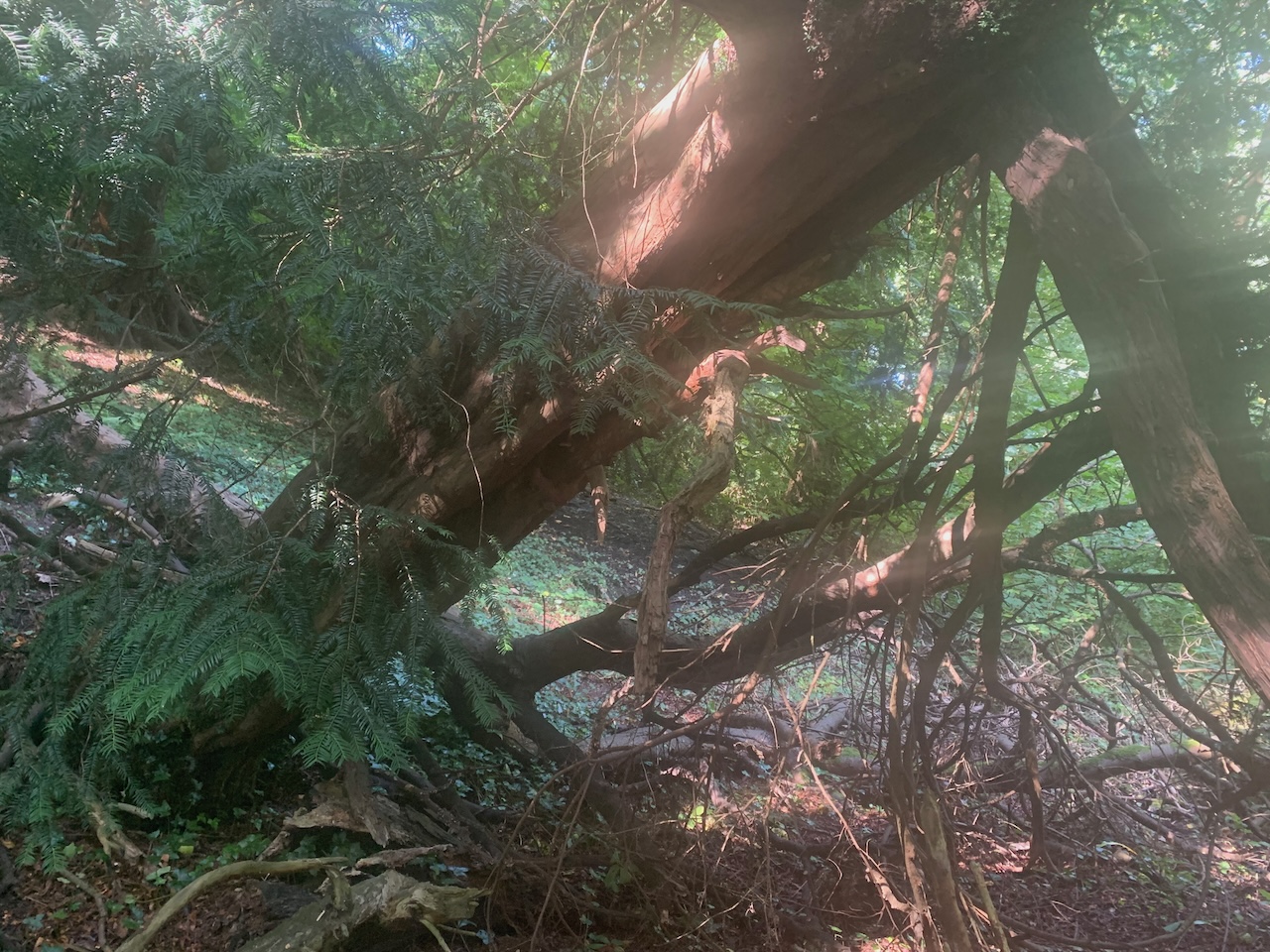
A poem celebrating the twelfth anniversary of my meeting with Gwyn ap Nudd at the Leaning Yew. At this time of year He returns from His sleep in the Castle of Cold Stone for Mis Medi ‘The Reaping Month’ (September). It is the first time I have celebrated our meeting and His return since our spiritual marriage.

The House of my Heart

Didst thou ever see men of better equipment than those in red and blue?
~ The Life of St Collen

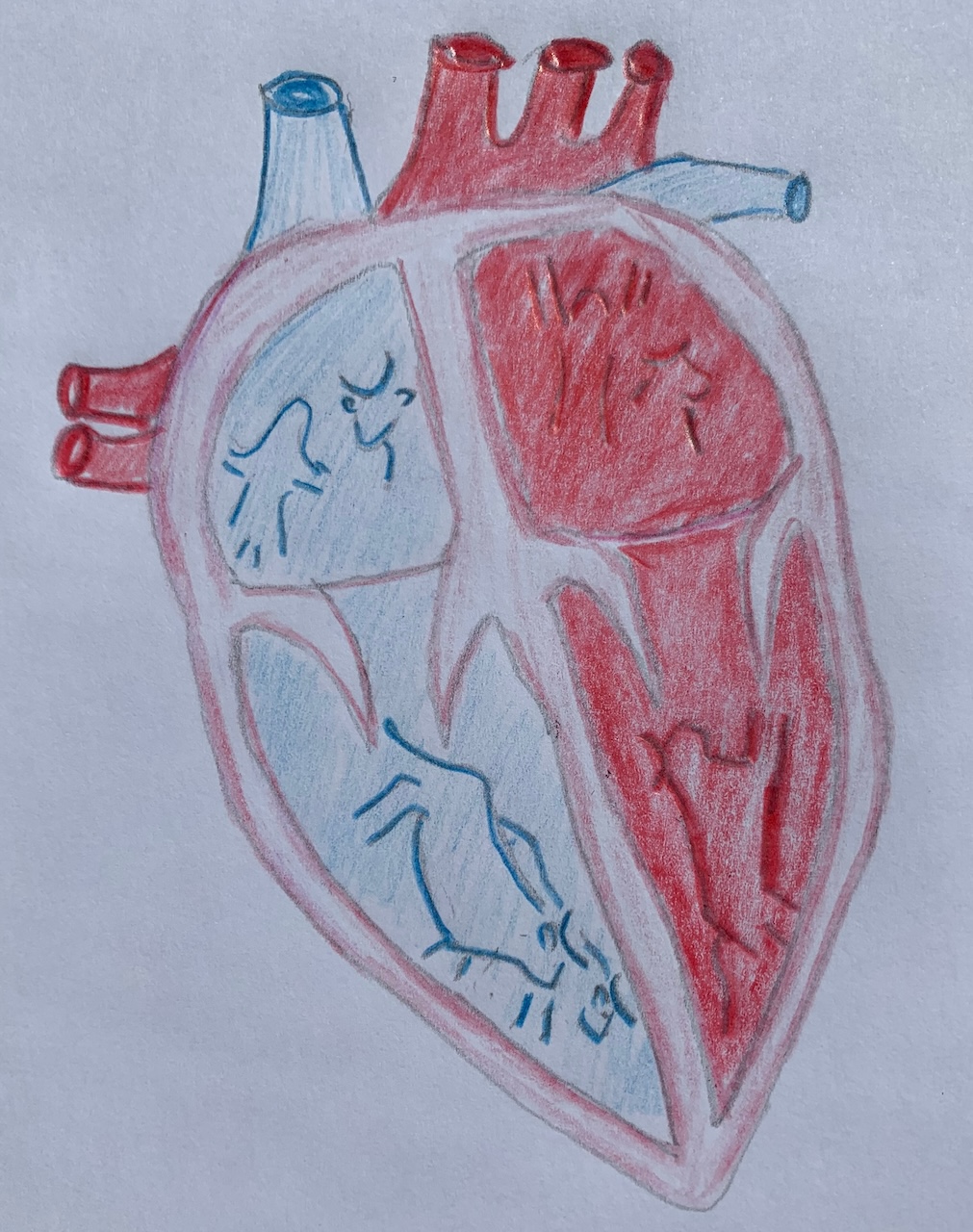
In the House of my Heart
the red and blue people dance,
in the chambers they are transformed.

In my right atrium a blue woman arrives
with a herd of blue cattle with blue lips, blue tongues,
they are mooing, sad and sorrowful, she speaks their names:
Blue Anxious One, Blue Doldrums, Blue Depression, Hornless Blue.
Other cowherds, horseherds come, boys and girls with hounds
who are yappy or listless and mysterious people
in the best of equipment red and blue
lead them into the next chamber.

In my right ventricle the cattle are fed and bedded down
on straw that looks and feels like water,
the horses are put out to pasture
and the hounds are given a sausage or two.
It’s alright to feel old here, it’s alright to fall asleep.
It’s alright to have long grey hair and knots in your beard
even if you’re a woman because the one who awaits you accepts
the coming of all souls no matter how weary in imperfection
drawn in daze, in trance, to their transformation
by the people equipped in blue and red

to where my lungs transform every sorrow
in the tiny chambers of the alveoli –
in every one there is a king
who has a cauldron
who resides over a feast
where people in red and blue dance
and this place is also the Heart of my Heart.

In my left ventricle they are reborn as tender calves,
as wobbly-legged foals, as newborn pups snuggled together.
They are fed and nurtured by the people in red and blue and fed
on milk with a touch of mead and quickly they grow.

From my left atrium they come stampeding forth –
all the cattle with their cow bells ringing with names like
Red Joy and Red Passion and Red Horned and Red Creative One.
All the horses shaking their red manes swishing their red tails.
All the hounds outrunning their young whippers-in.
The people in blue and red cheer them on.

They are the arrows from the bow
of the Hunter in the Heart of my Heart,
the sound of the blood in my veins rushing
from death to birth to death and back to birth again.

This poem was inspired by Saint Mechtilde’s descriptions of visiting the House of the Heart and by my introduction to journeying into my body with my spiritual mentor, Jayne Johnson, a practice she learnt from Arnold Mindell, author of The Shaman’s Body and Working with the Dreaming Body. These two elements have helped me deepen my understanding of how my heart is now one with the Sacred Heart of Gwyn and He now resides there.

The Cow of Anrhuna

At the head of the line…
the spoil was the cow of An(r)hun(a)
.’
~ The Battle of the Trees

I am the Cosmic Cow.

I am white and red with seven legs,
eleven udders pouring the whitest milk,
a red crown of twelve stars upon my head.

My cow bells sound through the sea of stars.
My milk is the origin of the Milky Way.

I am ever loving and ever giving.

You cannot capture me because
I always come willingly.

You cannot take my milk
because I am always pleased to give.

Milk me until your fingers are bare bone
and my milk will never run dry,
not until you have used
every bucket in the world
and you have emptied every mine.

I am ever living and ever giving.

I can melt the heart
of the cruelest warlord
with one look from my soft eyes
And halt the wars betwen nations
with the scent of cud between my soft lips.

I am the spoil but I cannot be spoilt –
white, blessed, holy am I.


‘The Battle of the Trees’, in The Book of Taliesin, records a conflict between the Children of Don and Arawn, King of Annwn, and His otherworldly monsters.*

We are told ‘At the head of the line / the spoil was the cow of Anhun’. The cow, as the spoil, is absolutely central to the battle but, unfortunately we find out nothing else about her. All we are told is, ‘It caused us no disaster’. This suggests the cow is a benevolent being but we find out nothing more.

Marged Haycock suggests that Anhun is St Anthony and this buch ‘cow’, ‘buck’, ‘buck-goat’ or ‘roebuck’ might be the satyr he met in the wilderness.

This didn’t feel quite right to me – I couldn’t see the Children of Don fighting over a satyr. For a long while I saw this animal as an Annuvian cow akin to the Brindled Ox, who was stolen in ‘The Spoils of Annwn, but could discern no more.

Then, a few months ago, I was sitting looking at the name ‘Anhun’ and saw a couple of spaces between the letters filled in by the name An(r)hun(a). This title means ‘Very Great’ and she is a found Goddess who myself and a number of other awenyddion have come to know as the Mother of Annwn and of its ruler, Gwyn. (It’s my personal belief Gwyn and Arawn are titles of the same God). 

Anrhuna’s association and possible identification with a magical cow ties in with parallels from Irish mythology. Her Irish cognate is Boann or Bó Find, which might derive from the Proto-Celtic *Bou-vindā ‘White Cow’. She is the wife of Necthan (Nuada) who is cognate with Nodens / Nudd ‘Mist’ the father of Vindos / Gwyn ‘White’. *Bou-vindā fits with Her being the mother of Vindos.

Bo Find ‘White Cow’ and Her sisters Bo Rhuad ‘Red Cow’ and Bo Dhu ‘Black Cow’ came from the Western Sea to make barren Ireland green and fertile. 

My personal gnosis around the Cow of Anrhuna presents her as a cosmic cow akin to Auðumbla ‘hornless cow rich in milk’ whose milk fed the primordial giant, Ymir, from whom the world was made in the Norse myths. Also to the sacred cow and bovine appearances of the Divine Mother, Kamadhenu, and the Earth Mother, Prithvi, in the Hindu religion. 

Her loving and giving nature and endless supply of milk also link to later folklore. In the Welsh lore we find Gwartheg y Llyn, ‘Cows of the Lake’ who belong to the lake-dwelling Gwragedd Annwn ‘Wives of the Otherworld’. They are usually white or speckled / brindled and are captured for their milk and, on being mistreated or milked dry, disappear back to their lakes.

In England we find the legend of the Dun Cow who provides plentiful milk until a witch tricks her by milking her with a sieve not a pail and she dies of shock. There are two variants here in Lancashire. In one the dead cow’s rib is displayed at Dun Cow Rib Farm in Longridge. In a happier variant her milk saved the people from the plague and she was buried at Cow Hill in Grimsargh.

I now like to think these stories derive from a deeper myth featuring the Cow of Anrhuna. It also made me smile that the cattle of Annwn, likely the cow’s daughers, are associated with the Wives of Annwn after my marriage to Gwyn.

*Gwydion fashions the trees ‘by means of language and materials of the earth’. Lleu is the battle-leader, ‘Radiant his name, strong his hand, / brilliantly did he direct a host’. Peniarth MS 98B records how the battle was caused by Amaethon stealing a roebuck, a greyhound and a lapwing from Arawn. Arawn’s monsters include a black-forked toad, a beast with a hundred heads and a speckled crested snake.

Successes in Creiddylad’s Garden

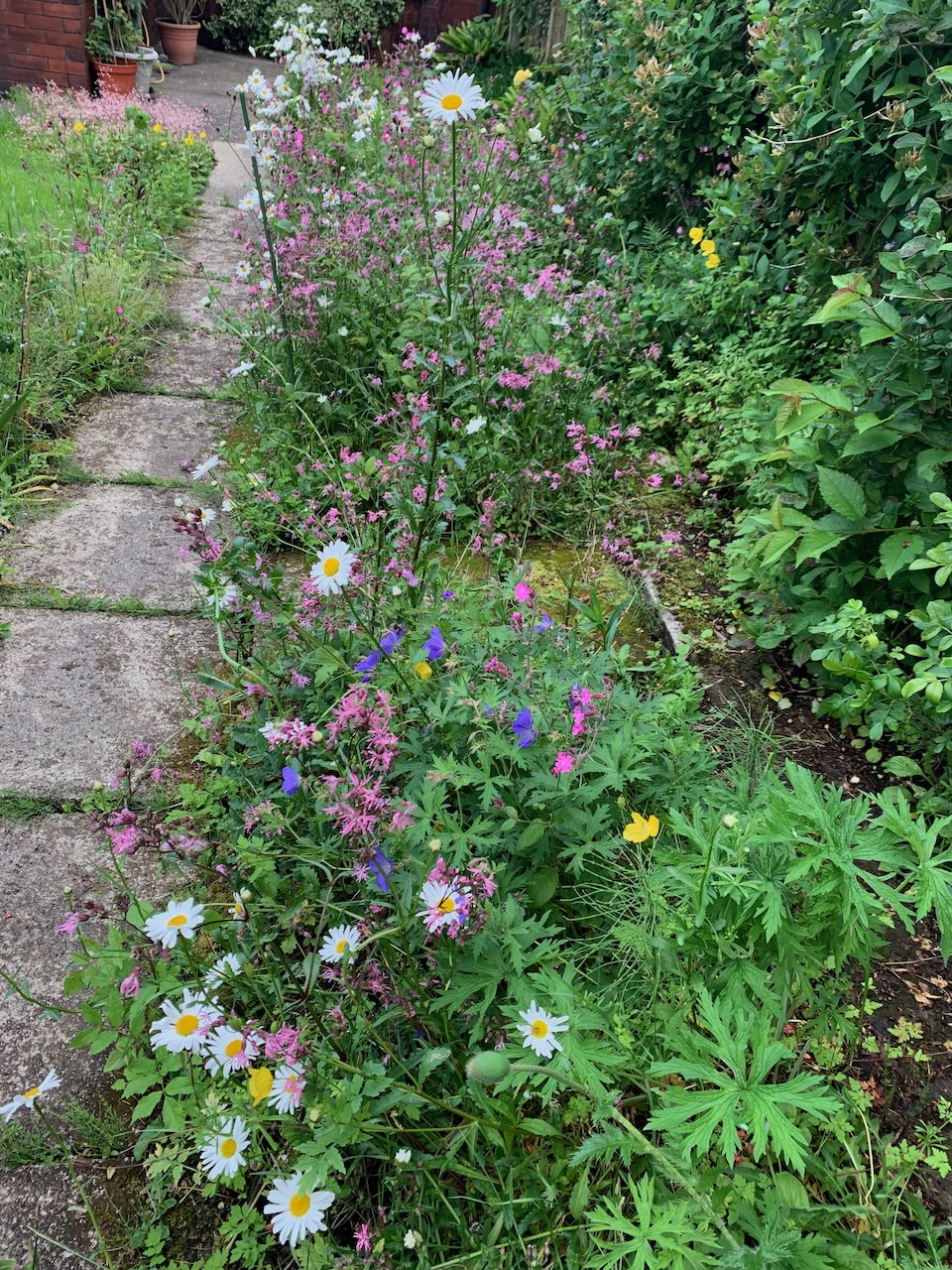
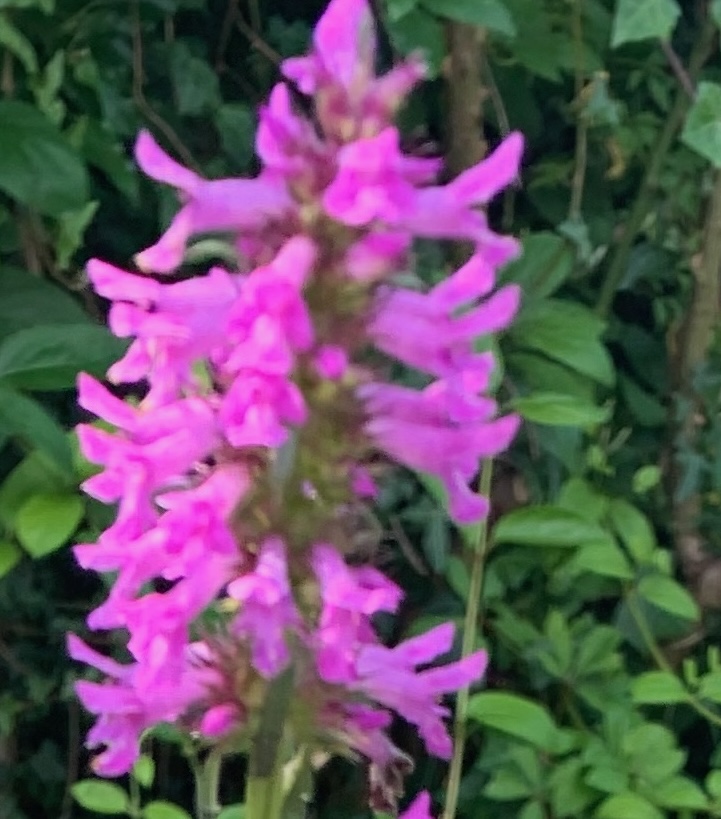
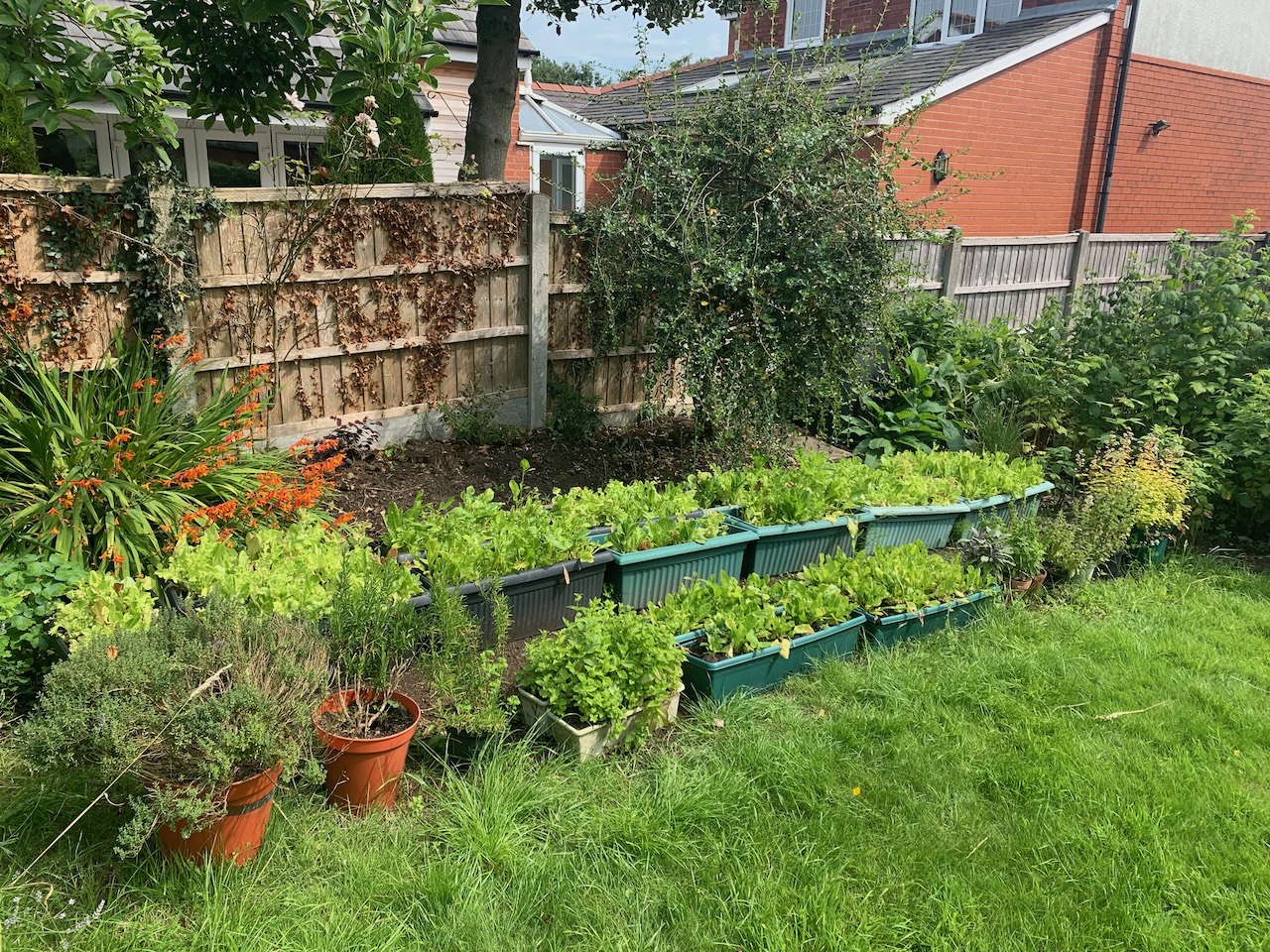
This year I’ve had much more success with our wildflower area in Creiddylad’s garden. The first year it was mainly a monoculture of red campion and the second year of ox-eye daisies. This year the ox-eye daises haven’t dominated so much and the other species have had more opportunity for growth. Most of the native wildflowers I have grown from seed. The betony and common agrimony were gifts from an ecology colleague. The nectar-rich geranium cultivars I bought from Let’s Grow Preston.

This is a list of some of the wildflowers that have grown in our wildflower area this year ~

Ox-Eye Daisy (Leucanthemum vulgare)
Ragged Robin (Silene flos-cuculi)
Red Campion (Silene dioica)
Foxglove (Digitalis sp.)
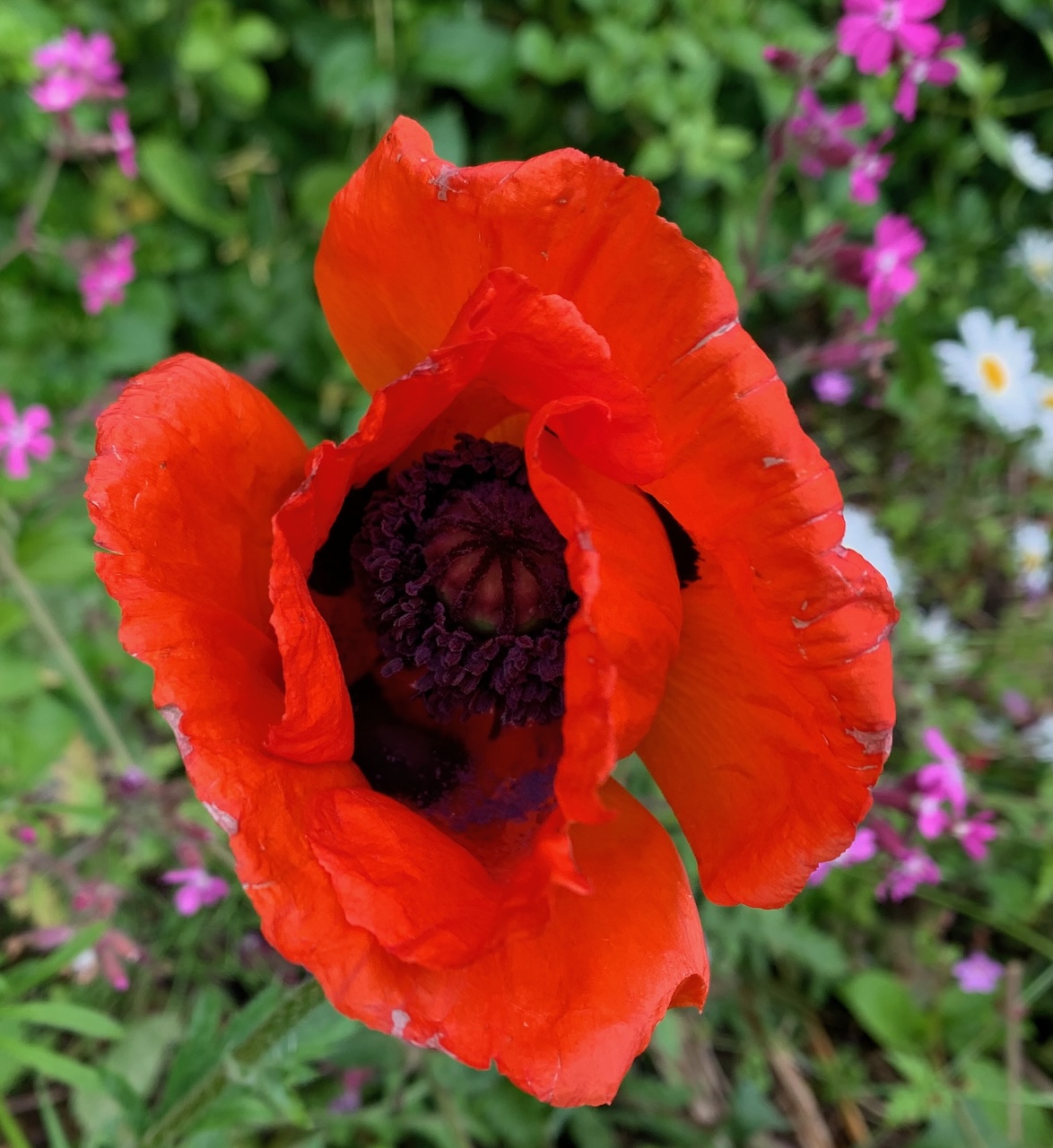
Poppy (Papaver sp.)
Meadow Cranesbill (Geranium pratense)
Betony (Betonica officinalis)
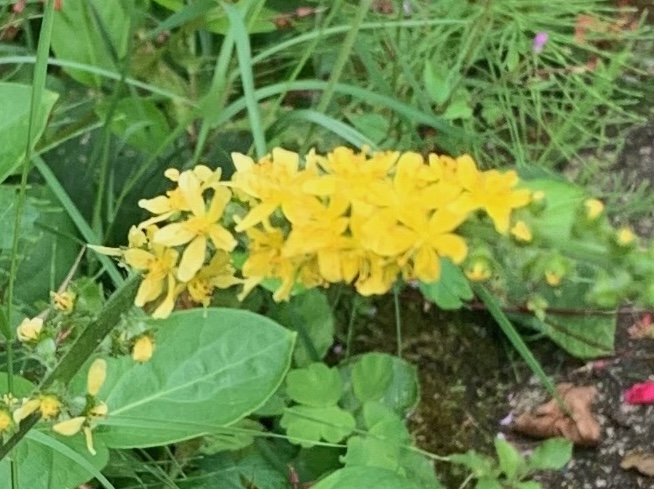
Common Agrimony (Agrimonia eupatoria)
Geranium ‘Rozanne’
Geranium ‘Elworthy Eyecatcher’
Michaelmas Daisy (Aster sp.)

In terms of monastic gardening we were self-sufficient in lettuce and spinach and herbs for most of the summer and the bees enjoyed the lavender with sightings of many different species of bees and flies.

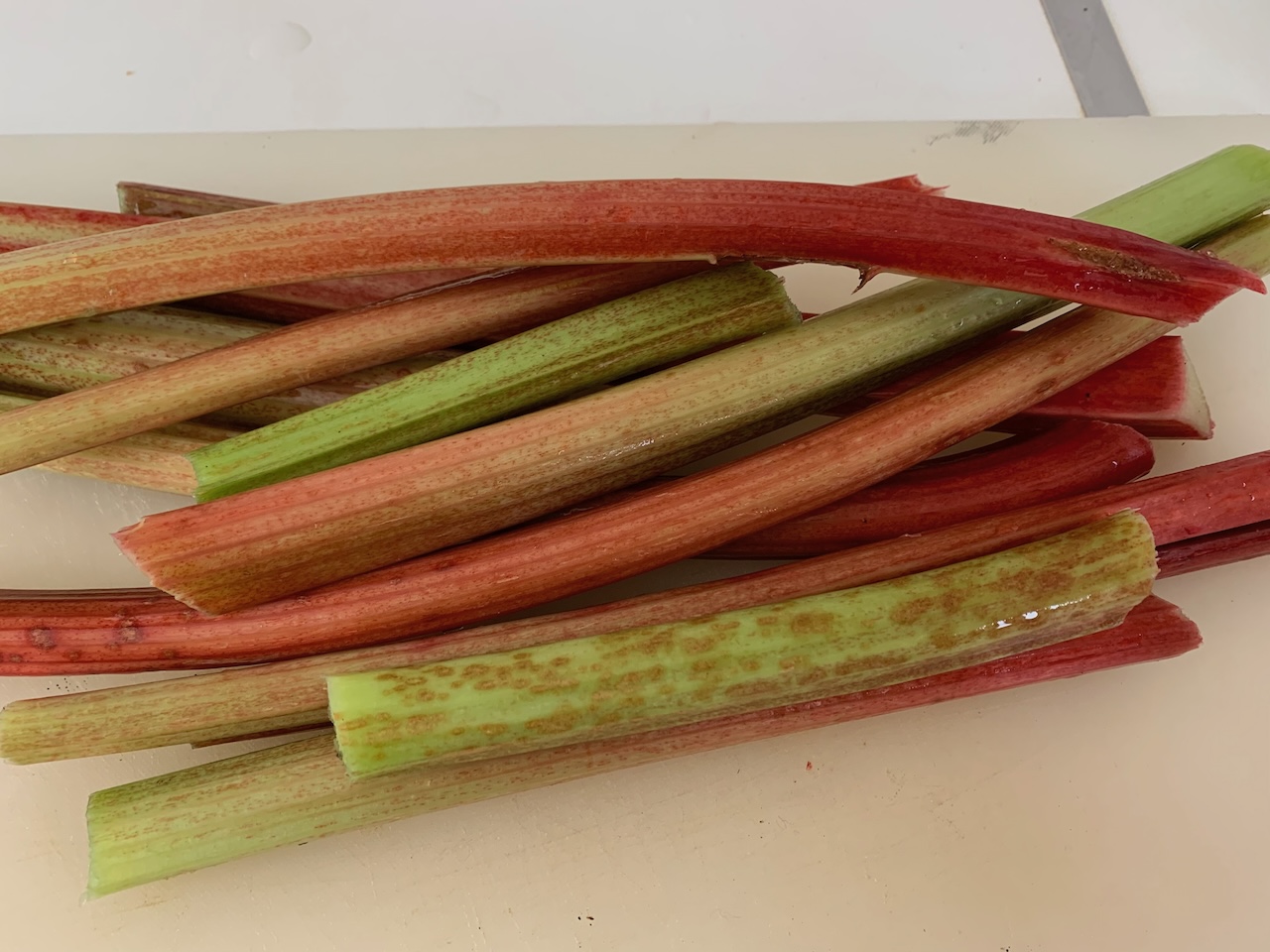
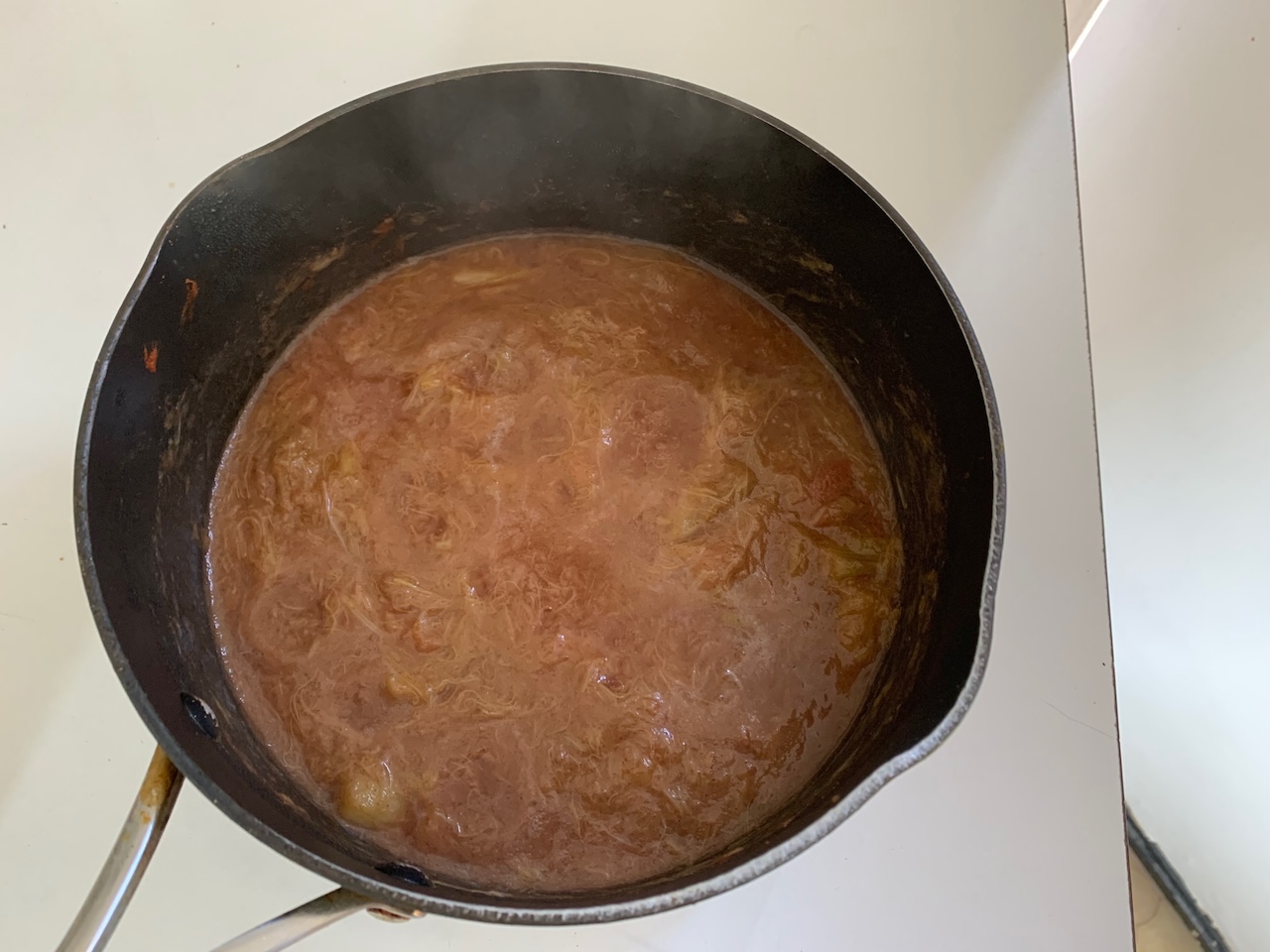
The rhubarb has also done well providing plenty of rhubarb goo.

Oh Sleeper in Deep Annwn

A Prayer of Adoration for Gwyn 

Oh Sleeper in Deep Annwn
I adore Your sacrifice
Oh Sleeper in Deep Annwn
I adore Your death
Oh Sleeper in Deep Annwn
I adore Your revival
Oh Sleeper in Deep Annwn
I adore Your breath
Oh Sleeper in Deep Annwn
I adore Your heartbeat
Oh Sleeper in Deep Annwn
I adore Your pulse
Oh Sleeper in Deep Annwn
I adore Your silence
Oh Sleeper in Deep Annwn
I adore Your lying still
Oh Sleeper in Deep Annwn
I adore Your dreaming
Oh Sleeper in Deep Annwn
I adore Your white wolf
Oh Sleeper in Deep Annwn
I adore Your imaginings
Oh Sleeper in Deep Annwn
I adore Your wandering soul
Oh Sleeper in Deep Annwn
I adore Your waiting
Oh Sleeper in Deep Annwn
I know You will return
Oh Sleeper in Deep Annwn
I sit in silence and listen
Oh Sleeper in Deep Annwn
I sit, I wait, I yearn

This prayer of adoration for Gwyn ap Nudd was written to bring more adoring / praising into my prayer practice which veered more towards petition. In the myth I live by after His defeat by Gwythyr on Calan Mai (May Day) Gwyn sleeps in His Castle of Cold Stone until Mis Medi (September – the Reaping Month).

A Dragon Calming Song

Riots across the North fed by misinformation in the aftermath of the tragic massacre of three little girls. The fiery energy of the Red Dragon perverted into nationalist attacks on asylum seekers and Muslims. The White Dragon, who always carries the label of ‘other’, fighting back.

I sing a song that was sung to calm the red and white dragons during the battles between the Britons and Romans, the Britons and Saxons, by the warrior-women, the prophets, who became known as Witches of Annwn.*

A song, in the Dog Days of Summer, that invokes the aid of our Husband and Winter King, Gwyn ap Nudd, against the fiery energies of His rival Gwythyr ap Greidol, Summer King, ally of Arthur, the first to sow the seeds of British nationalism by uniting the nation under ‘One King, One God, One Law.’

A song that transforms the dragons into monstrous animals, little pigs, two babes in a woman’s arms.

A song that coaxes them back to sleep in deep Annwn.

Sleep babes sleep
daddy’s gone a hunting
he’ll bring us snowy white hares
and ptarmigan; in his wolf furs
we’re so safe and warm.

Sleep babes sleep
daddy’s gone into the cold again
he’ll bring us a white bushy-tailed
snow fox; in his wolf furs
we’re so safe and warm.

Sleep babes sleep
daddy’s gone into the frost again
he’ll bring us the feathers of a snowy
white owl; in his wolf furs
we’re so safe and warm.

Sleep babes sleep
daddy’s gone into the snow again
he’ll bring us the last reindeer
of the North; in his wolf furs
we’re so safe and warm.

*This song was first published in my book Gatherer of Souls in a story called ‘The Purple-Cloaked Empire’ when it is sung by Wind Singer to calm the red and white dragons during the Roman invasions. It has a basis in the medieval Welsh story of Lludd and Llefelys wherein Lludd / Nudd calms the dragons to sleep. I believe the Witches of Annwn, as devotees of Gwyn ap Nudd and His father, had a supporting role.
**A quick note for clarity – whilst I am speaking about British nationalism being rooted in the Roman and Anglo Saxon invasions and the mythos of Arthur I am not drawing parallels between the Romans and Anglo-Saxons as invaders and the asylum seekers and Muslims who come in peace and are a welcome part of our British communities.