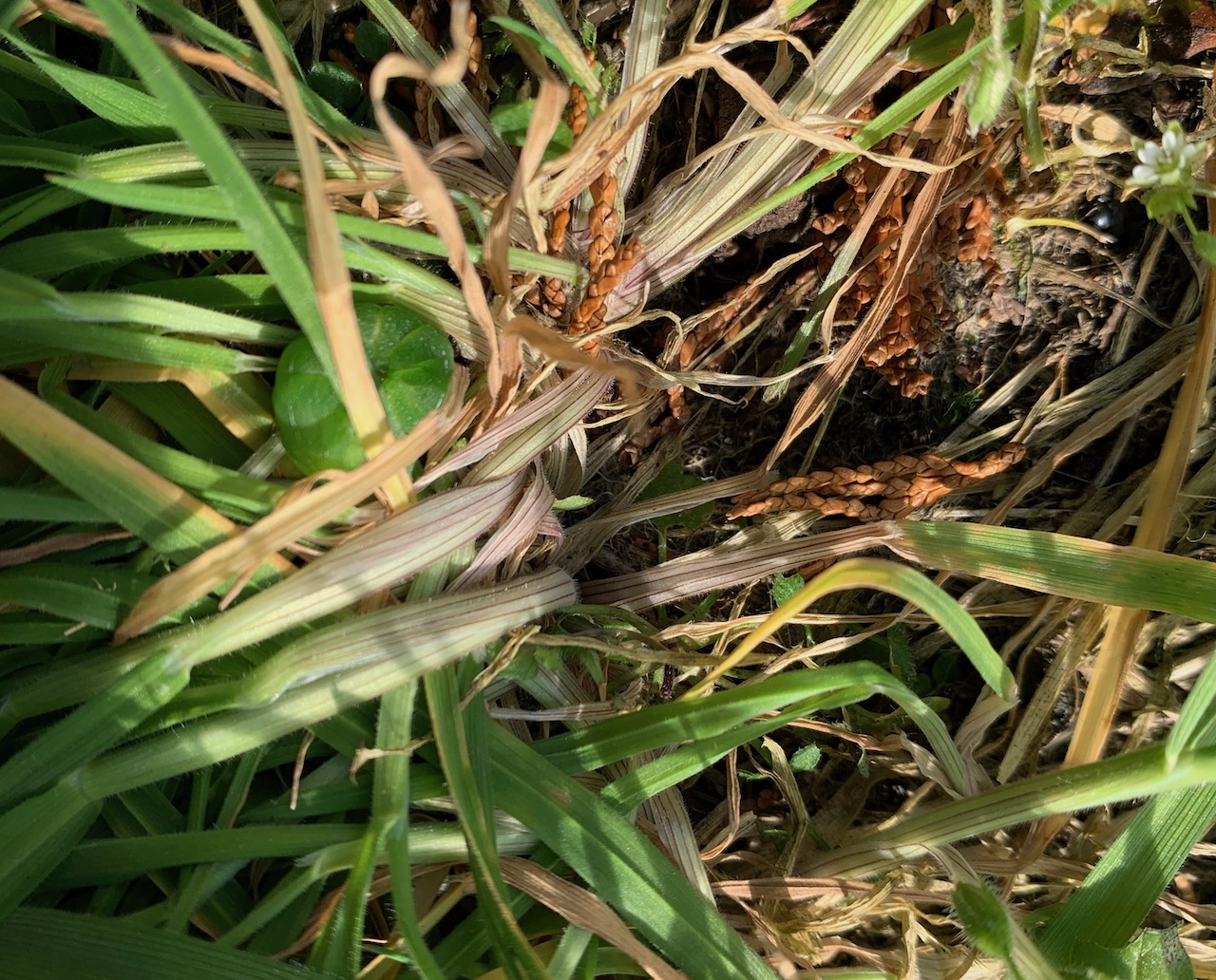
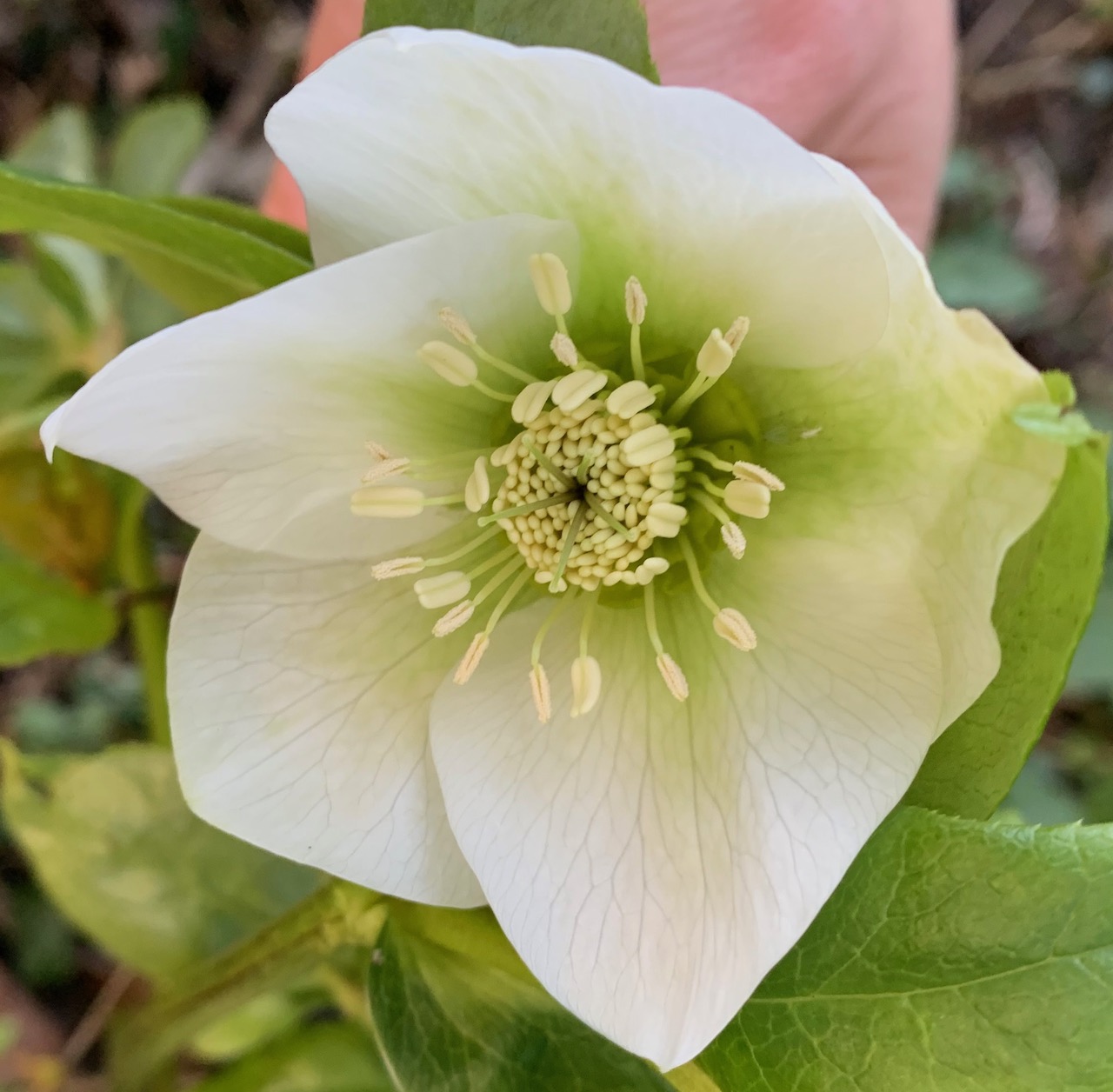
Leaving with Flowers

Yesterday I finished my graduate ecologist job with Ecology Services Ltd in Longton. It was a bittersweet moment for I had worked with a brilliant team who are amongst the nicest people I have ever met and in many ways the jobs was ideal. There were lots of learning opportunities, a lot of support, and a high level of professionalism in the rigour of the writing and editing of reports. 

However, I could not cope with the demands of the job due to my autism. These included some stresses endemic to ecology and others more widely to the working world – night shifts, long hours, travelling to new places, frequent changes in routine, working to tight deadlines, multi-tasking, spending 7.5 hours in front of a screen with limited breaks for lunch and brews.

When I first started seeking work in the environmental sector, in conservation, in 2019, I did so under the mistaken idea that it would be like conservation volunteering – practical and survey work every day of the week. As I progressed from volunteer, to volunteer intern, to paid trainee, I realised that such jobs are few and far between and that most people are expected to ‘progress’ to taking responsibility for project and people management. 

Most paths lead from outdoors to the office and require skills outside my skillset – being good with spreadsheets and numbers and mastering the horrendously complex and counterintuitive mapping system which has been the bane of my life since I started following this career path – QGIS.

It’s taken me a while to realise I’ve made a wrong turning for some of the right reasons (such as wanting to learn more about the fascinating plant and animal species who we live alongside of and wanting to give back to the land) and some of the wrong reasons (such as wanting to excel and climb the career ladder and craving not only financial security but more money than I need).

In the process I have gained my creativity and my commitment to my spiritual vocation as an awenydd in service to my Gods and Goddesses back. I have learnt that this is where my skills and passion lie and that I must put this first, whether it means either working full time for a while to buy time for my creativity or working part-time and creating alongside my work. 

As my work is so niche and, a long while back, I sacrificed my ambition to be a professional writer to Gwyn, my Patron God, in return for inspiration from the Otherworld, I know I will never make a living from writing alone so must go on trying to strike a balance between the all-consuming demands of the awen and my financial needs. 

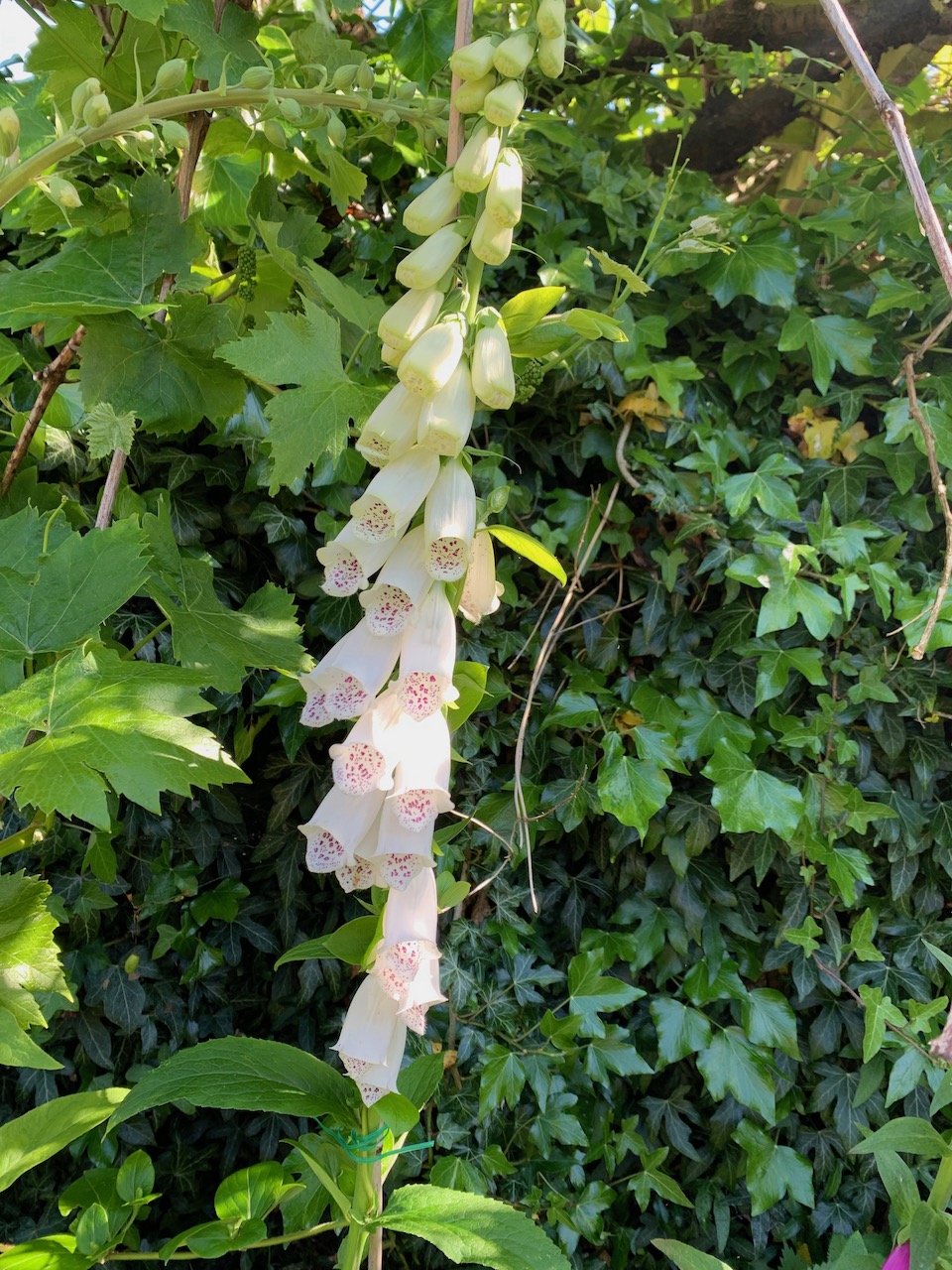
On my last day my colleagues bought me flowers along with a card and a book. I think it’s the first time in my life I’ve ever been bought flowers. Beautiful, fragrant, a reminder of a sometimes lovely and sometimes difficult time.

I have no regrets, only memories, which will soon pass like flowers, not to be forgotten, but to be left behind, as I leave the environmental sector, to devote the next two or three years this time has bought to writing my next three books.

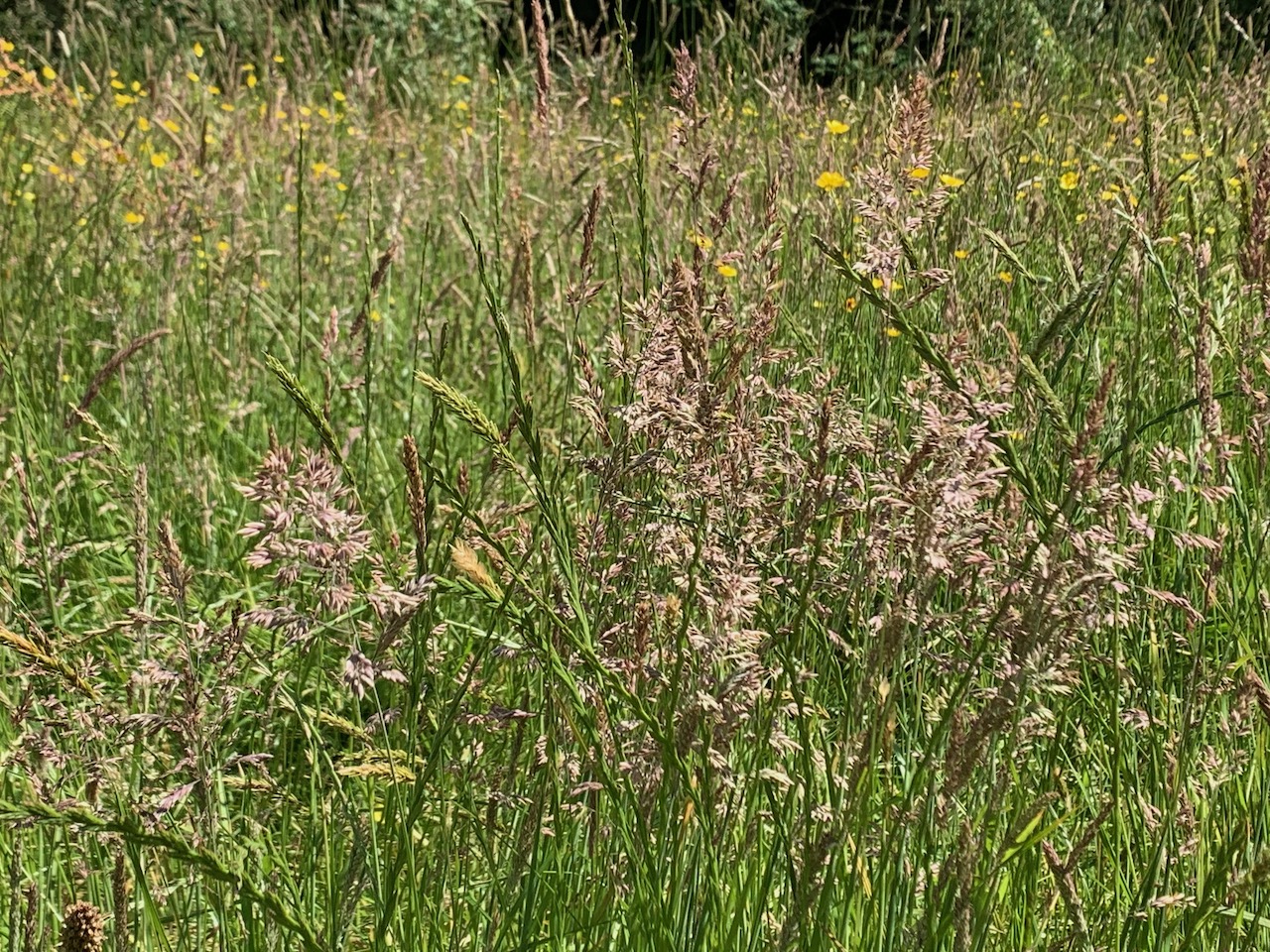
Yorkshire Fog

For Gwyn on Midsummer’s Day

If You had a grass it would be Yorkshire Fog.
From Your sleep of death,
from Your dreams,
come

see it
through my eyes.
Let us be one this Midsummer day
as I walk at night with you through Annwn.

I will speak not of Yorkshire or Lancashire,
roses or dragons red and white,
of the battles we each
must face.

Your Fog
is wiser than
these worries like grassheads,
here one day and then gone the next.

Of Worldly Career and Spiritual Vocation

So it reaches an end. The trajectory that began with volunteering on local nature reserves, took me into paid work restoring the Manchester Mosslands, and eventually led to me working for a local ecological consultancy on developments across the North West. 

Whereas my choice to work in conservation was guided my Gods, when my traineeship reached its end, and no conservation positions came up, I chose my ecology job because it was local, permanent, well paid, and offered financial security, and because I had a good interview and liked the people.

I knew next to nothing about ecology, the high pressure environment, how distant some of the sites would be, or how badly working nights would affect my mental health. I hadn’t thought through how I’d feel about working for developers, some just people who needed a bat survey for an extension on their home, but others who wanted to build on green spaces and nature reserves.

Working just one night a week, the dread beforehand and the tiredness afterwards, had a massive impact on my mental health due to my need for a regular routine and sleep pattern as an autistic person who suffers from anxiety. 

This, combined with travelling to sites over an hour’s drive away, and learning to write technical reports and mastering an unneccessarily complex and counterintuitive mapping system called QGIS whilst, at the same time, organising surveys, preparing quotes, and replying to clients, swiftly led to stress and burnt out.

Within a matter of weeks I went from being a happy, fit, and confident person with hopes of excelling in botany, pursuing an MSc in ecology, and running an official half marathon to being unable to read academic articles or comprehend the logistics of getting to a run or navigating the crowds.

I started waking early in the morning in tears and crying until I went to the gym or on a run and somehow cried all the way through a run on a very bad day.

I turned up in tears, managed to get on with my work, in spite of the crushing feeling in head, which increased as the day went on and throughout the week. I drove the wrong way up to M62 and through a red traffic light. I got hopelesssly muddled on a survey and drew the map the wrong way up. One day my brain melted to the point I couldn’t recall what a PDF was.

My manager took me off nights and I stayed because I liked the team, who were kind and supportive, because I didn’t want to let them down, because it was my mistake for rushing into what was the wrong job but right location and people.

I didn’t speak much to my Gods at first. But when drinking ceased to cure my troubles and I realised it was doing me more harm than good, both in my work life, and strength training and running performance, I began to pray. 

I began to seek a place of retreat and healing as respite from an overwhelming world. “Remember who you are,” said Gwyn, recalling me to my vocation as an awenydd, as Sister Patience, as a nun of Annwn.

Somewhat laughably, as is often the case of Gwyn, at a time when I was craving financial security due to fear of losing my job, He told me do the thing least likely to make money in the world – “build the Monastery of Annwn”.

Yet His imperative, my vocation, could not be ignored. I have set up the Monastery of Annwn as a virtual space; started laying the foundations in terms of daily devotions, a ritual year, and practices such as journeying to Annwn and tending Creiddylad’s Garden; and begun dialogue with others.

Desiring to partake in lectio divina and lacking an Annuvian creation myth I have been inspired to return to writing one – a pursuit I began a couple of years back with a book called The Dragon’s Tongue, which didn’t work out. 

This attempt to weave a new creation story, from the perspective of the Annuvian Gods, from the existing Welsh and Irish myths and also drawing on the Mesopotamian epic ‘Enuma Elish’ and the Bible has been renewed as ‘In the Deep’ (the antithesis of ‘When On High’ – the translation of ‘Enuma Elish’). 

In returning to devotional writing I have found deep joy, which has dissipated as soon as the stresses of work and worldly career have got in the way. 

This positive discovery/recovery combined with the knowledge that, as an autistic person, I am not suited to full time high pressure work, has led to the decision to hand in my notice at my ecology job and seek less stressful, part time work in conservation or horticulture that will allow me to fulfil my vocation.

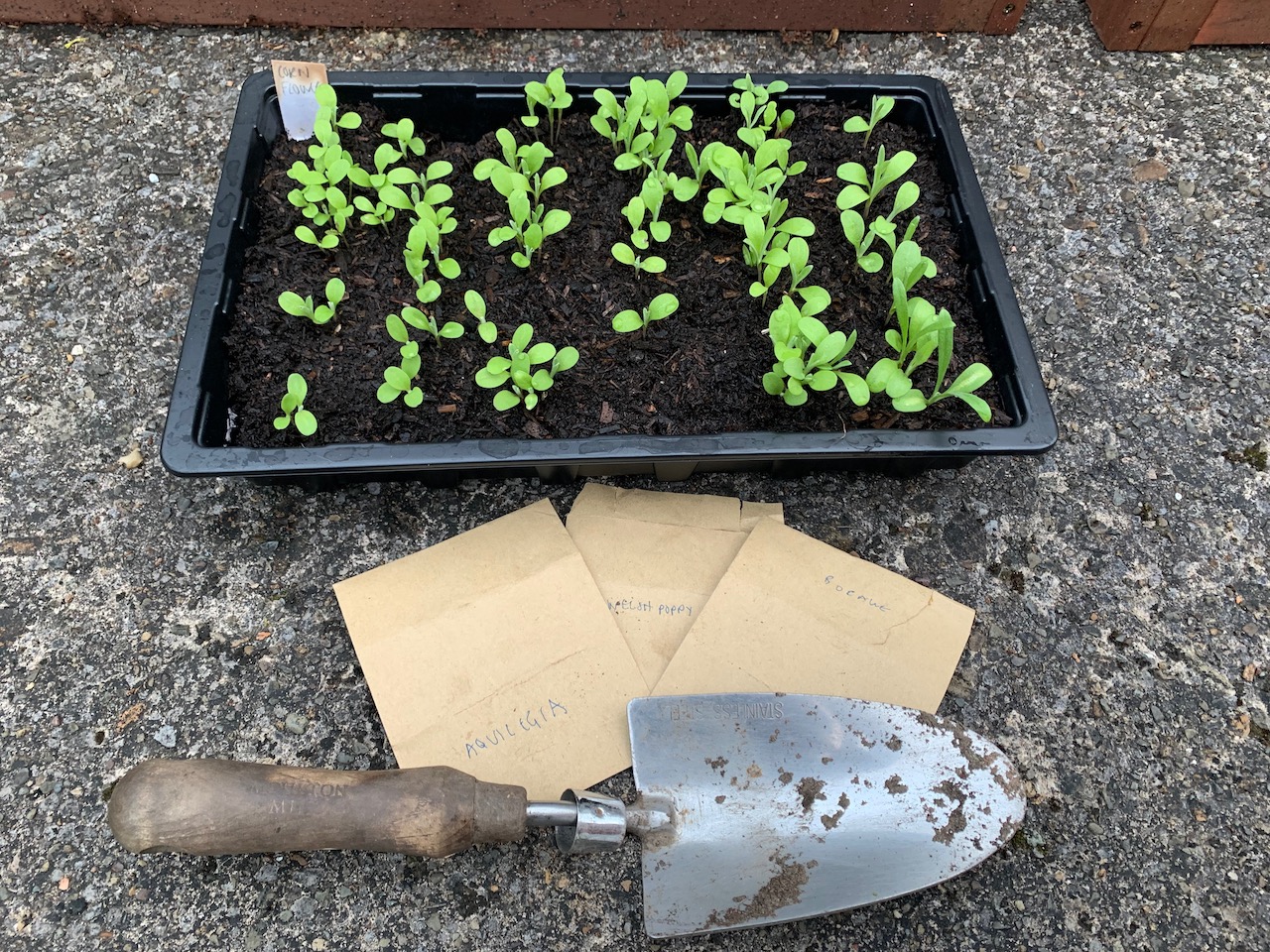
It has been a relief and a release. Although I have two months’ notice to work I have a myth to tend, a monastery to build, and can find solace at my altar and in Creiddylad’s garden, where the bees are loving the blue geraniums and the foxgloves I grew from seed last year are looking magnificent.

I Awenydd

“Remember who you are.”

I am an awenydd of Annwn.

I am a keeper of an ancient monastery
(yes this monastery is ancient although
its builders only built it yesterday).

Likewise I am born from the Deep.

I am forged in Annwn’s fires.

I am the creation of a myriad creatures
who continue to live within me,
barking, stampeding.

I am born of the Dragon-Headed Mother.
The nine elements swirl within me.

I live by the rule of awen*.

My destiny lies before me.

~

This poem was born from a time of crisis and struggle as I have suffered from poor mental health as a result of working a late shift as I find it very difficult to cope with changes in routine and sleeping pattern as an autistic person.

Following the realisation I can’t make a living from my vocation as an awenydd, for the last three years I have poured most of my energy into pursuing a career that is in alignment with my spiritual values. I’ve volunteered my way into paid work in conservation, completed a year-long conservation traineeship, and gained a permanent job as an ecologist.

There is a lot to like about ecology. There is much to learn. I get to visit varied sites. There is an art to getting the best deal for people and nature. But the job is also high pressure and, in many consultancies, (thankfully not mine) there is a complete disregard for mental health with junior ecologists working several nights a week and being expected to keep up with day work

I have been lucky to gain work with a team who are not only friendly and professional but aware of and supportive around mental health problems and have allowed me to cut down nights and take time out for counselling.

Over the period I have been developing my career I have had less time for my spiritual vocation and, it’s sad to say, have only fallen back on it at a time of crisis, when my work alone has not been enough to pull me through.

Having realised that my difficulties with night work will mean I cannot become a good all round ecologist (I will not be able to get my great crested newt and bat licences and will be limited to developing my abilities with habitat and vegetation surveys and protected species I can survey by day) I’ve been questioning if this is the right career path and assessing where my talents lie.

“Remember who you are,” I have heard the voice of my God, Gwyn, on a few occasions, reminding me of my vow to Him, to serve as His awenydd.

This has led to the realisation that I’ve been living an unbalanced life. Devoting too much time to Thisworld and not enough to Annwn, the Deep.

This doesn’t mean that I’ve made a poor choice of job, but outside it, whereas I was spending all my free time reading ecology books and articles, trying to record and memorise plants, and carrying out extra surveys, I need to make room for the soul-world.

From this has been born the Monastery of Annwn as a sanctuary to retreat to; where the Gods and the Deep are revered and honoured and put first; as a place that provides the strength to return to Thisworld and pursue one’s awen/destiny**.

*The phrase ‘the rule of awen’ is not my own but is one of the principles of the Gnostic Celtic Church which resonates deeply with me. 
**In Medieval Welsh poetry ‘awen’ means not only inspiration but destiny.

A Sprig of Thyme

For Gwyn on Calan Mai

When you don your armour at dawn
On this morning of mist so forlorn

When you rise from your marital bed
Leave your wife for another to wed

When you leave the dark of Annwn
With the knowledge you’ll return to your tomb

When you’re feeling down and discouraged
Let this sprig of thyme be your courage.

I have had the first and last couplets of this poem in my head for two years now but it was only this morning that I received the two couplets in the middle in order to complete it and the inspiration to make a ritual of picking thyme from the garden at dawn on Calan Mai (May Day) and offering it to my patron god, Gwyn ap Nudd.

On Calan Mai Gwyn fights a ritual battle against his eternal rival, Gwythyr ap Greidol, for his beloved, Creiddylad, a goddess of seasonal sovereignty. It is a fight he is doomed to lose. Afterwards Creiddylad departs from Gwyn, Winter’s King, in Annwn, and comes to Thisworld to enter a sacred marriage with Gwythyr, Summer’s King. In the Brythonic mythos this explains the turning of the seasons. On the one hand I will be celebrating that Creiddylad and summer are here, yet, on the other, I will be mourning Gwyn death.

Autism and Challenge

Last September I was diagnosed with autism spectrum disorder level one, a lifelong neurodevelopmental disability. This is the ‘mildest level’ and is given to people who can cope with some situations so well that others do not know there is a difference in the way they process information, but once they get to know them, and see them in more challenging situations, notice the differences.

I was told that it is possible to ‘move up and down the levels’. Although I have never been at a level where I need a support worker, it has certainly been the case that I have moved up and down level one – had some phases in my life where I have felt almost neurotypical and others when I’ve felt very autistic.

I have noticed this most acutely in my response to challenge and what constitutes a challenge. Many easy, everyday activities, which are not challenging for a neurotypical person are often very challenging for an autistic person. This is due to a combination of sensory sensitivity and the anxiety that comes from difficulties with interpreting social signals and processing complex information from multiple sources at once.

I hit my lowest level in my early twenties when I was in the second year of university when I had what I believe, looking back, to be an autistic meltdown. This was brought on by the combination of the pressures of achieving a good degree and by poor lifestyle choices – going out drinking and taking drugs two or three times nights a week disrupted my sleep pattern and left me with insomnia, anxiety, and experiences of derealisation.

A massive panic attack on the motorway led me to give up driving. It was a challenge to get out of the house, onto the bus, and to university. I sat at the back in lectures, crying quietly, silent tears running down my face. Everything, everyone, was threatening. When I talked to my lecturers I felt so panicky and light-headed I thought I was going to faint or float away. One day I sat alone staring at a tomato on my sandwich unable to recall what it was.

Nobody noticed. When I had occasional sobbing fits or freaked out about something the response of my ‘friends’ was ‘Lorna’s going west again.’

***

Eventually I sought help. I had a good doctor. We worked out that sleeping tablets and beta blockers weren’t helpful for my insomnia or panic attacks. I got put on a medication called Venlafaxine that helped regulate my sleeping patterns and mood and allowed me to establish a healthy sleep and exercise regime.

Unfortunately, when I was referred to a psychiatrist, I was told I wasn’t eligible for treatment because I hadn’t attempted suicide, in spite of self-harming.

Luckily the medication and developing a good routine helped (it was also helpful that I couldn’t drink on Venflaxine!). I ‘got better’ and, in my third year, got 80% in my dissertation, resulting in a first class degree in Philosophy and English.

Since coming off medication I have had many ups and downs. Sleep and exercise have been the key to leading a near-normal life, but I have been unable to overcome a number of challenges that neurotypical people can handle.

I failed to cope with working nearly full-time at the same time as studying for a PhD (as I didn’t get funding). When I worked as a groom I struggled with six day weeks, late nights and early mornings, and the stress of preparing for competitions.

During the period I moved back in with my parents and devoted my time to my spiritual path and writing, at some points working part-time and at some not at all, I was able to live by my ideal routine, getting up early, doing my devotions, writing, exercising, gardening, early bed. But the benefits of this lifestyle were overshadowed by my anxieties about my inability to make a living.

***

When I realised I would never be able to make a living from my writing I turned to conservation, as something I’d volunteered in, and believed in. Slowly I took the steps, faced the challenges, of progressing from a volunteer, to a volunteer intern, to a trainee, before moving into ecology.

As an autistic person every new thing was challenging – travelling to a new place, meeting a new group, learning a new task or to use a new tool. On my first day as an intern at Brockholes I was terrified of using a radio due to how self conscious I felt about my voice and of losing the key to the tool cabin.

With support I progressed to being able to do most of the tasks needed for the smooth running of LWT’s flagship reserve including driving the pick-up (which I was, at first, extremely nervous about reversing due to poor spatial awareness).

It helped that I figured out I was autistic when I was in counselling for anxiety at this point, so was able to locate the root of my limitations and explain them to the reserve officers, who were both supportive and understanding.

My traineeship with the Lancashire Wildlife Trust on the Manchester mosslands was even more challenging not only due to the long drive but to stepping up from a volunteer into a paid role and taking on more responsibility.

I faced and overcame a number of challenges such as leading volunteer work parties and AQAs, passing machinery tickets, and carrying out surveys. I coped because I was open with my line manager about my autism and he gave me a manageable workload and a regular routine.

Completing my traineeship gave me a lot more confidence and led to me gaining a new job as a graduate ecologist at a local ecological consultancy. This job has brought its own challenges – new surveys, new vans to drive, driving to new places, and, again, my manager and my colleagues have been very understanding about my autism and allowed me to tackle one thing at a time.

The thing I have found most difficult, which surprised me at first, but shouldn’t have done looking back, has been dealing with night work. During my traineeship I had a fixed routine of getting up at 4.30am, doing my devotions and meditation, exercising, then working five hours onsite and two and a half hours admin from home flexibly, eating, bathing, studying and/or writing and getting to sleep by 8.30pm.

Going out to do great crested newt surveys when I would be going to bed and getting in a few hours after my bed time has been draining and disorientating. The next day and, for a couple of days afterwards, I’ve not only felt tired but been in a low mood and had trouble concentrating and with fending off negative thoughts that don’t usually come through when I’ve had eight hours sleep.

It has been a blessing to be part of a team who are very aware about mental health. I have told my manager how important both sleep and exercise are to maintaining my mental health and we have agreed that I never need to start earlier than 8am, so I can get my exercise in, and I can do only one night a week. In a profession in which night work is central I am very grateful for this.

In the couple of months I have been at Ecology Services Ltd I have not only learnt to carry out surveys, but the process from start to finish, from speaking to a client, setting up a quote, organising the survey, doing it, and writing a report, and found a great deal of pride in doing the job and doing it well.

At present I’m coping and feel like I’ve grown in confidence quite a lot. However, I am apprehensive about the fact that the nights are getting longer and that bat season, the busiest time of the year, is approaching. I am hoping that, with continued support, I will be able to make it through the summer.

Being Sister Patience

I.
It started as a joke.

I can’t remember exactly when. It might have been around this last time last year. I was being characteristically irascible, rash, impatient, none of the qualities that you’d associate with being a nun.

“Sister Patience,” I heard the mocking voice of my patron god, Gwyn.

It irked me, but it also awoke and called to something deep within.

Rising to his challenge, “I will be Sister Patience,” I told him.

And that was how Sister Patience came to be.

II.
She came into my life as an alter ego at first, as I struggled through my traineeship with the Lancashire Wildlife Trust on the Manchester Mosslands, helping me shape and find respite in the sanctuary of Creiddylad’s Garden.

I wrote this poem about her last summer:

The Sanctuary of Sister Patience

Weeks of weeding
are fundamental to the path,

to the wedding of him and her and him –
Gwyn and Creiddylad and Gwythyr.

When Summer’s King vaults over the wall
all the flowers turn their heads towards him, as if to a beam of light.

All the plants need the light and dark reaction to photosynthesise and this is written on her habit in an obscure symbol on one of her voluminous cuffs.

He who stole the light of Bel and Belisama and gave it to mankind…

When he arrives in her garden it is yestereve, yesteryear,
and all the flowers are gloaming and he longs
to know what lies beneath her cowl
for her eyes are two moons
that will shine

upon a future world that will never stop flowering with its own weathernarium…

He is all heat and fire and flame
and she is patience…

in Annwn, in the soil, in the mycorrhizae,
in the roots, in the shoots, in the leaves, in the flowers, turning
towards the light and these are the mysteries –

the poetry of nature not
of the bardic seat.

Like the ranunculi
are the wanderings of
the wild nuns knowing no order –

their names a mixing of Latin, Greek, 
Norse, Anglo-Saxon, Welsh, common and binomial.

This I was taught by the comfrey I bought
when I was first learning to ‘do magic’,
which worked its magic here,

filling my garden with purple flowers,

smelling soothing as the healing of bones,
one of the favourites of Old Mother Universe.

She loves the first one or two tiny cotyledons
of every plant reaching for the light not knowing their origins.

She carries the seeds of all the worlds in the brown paper envelopes
in her pockets rustling when she walks, so carefully labelled
in the language of Old Mother Universe only she knows – 
the names, the dates, the places, so distant…

With them she will build her sanctuary
beyond the trowelling
of my pulse.

III.

Since then, slowly, imperceptibly, the miles between us have closed.

I’ve been patient. I’ve completed my traineeship. I’ve moved on into a new job as a graduate ecologist in which I’ve been faced with a whole new set of challenges. Not only learning to carry out new surveys but a whole new skillset on the admin side – providing quotes, carrying out desktop studies, writing reports, learning to see a job through from beginning to end.

It’s been a steep learning curve and not without its ups and downs. As an autistic person who likes routine and staying close to home I have struggled with travelling long distances to new places and, in particular, with night work.

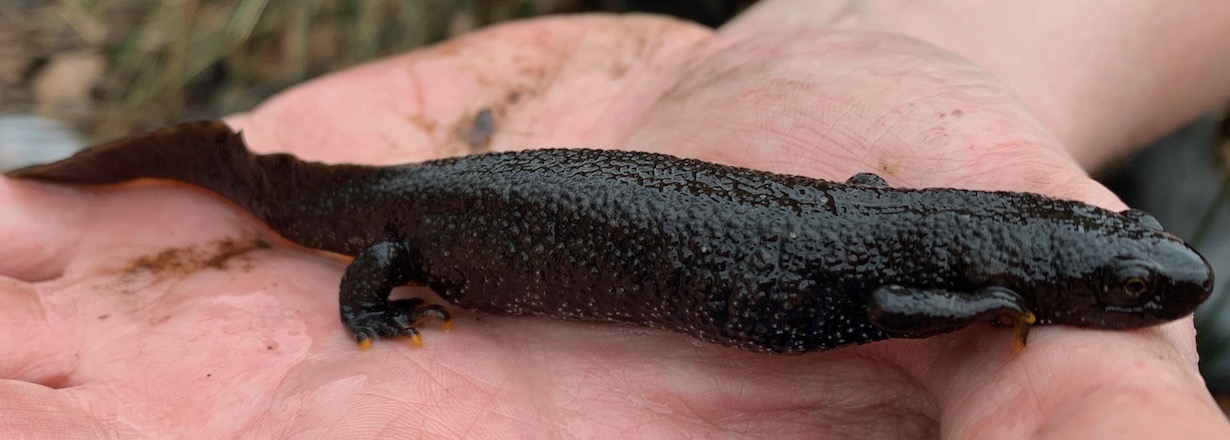
One of the surveys is monitoring great created newt and wider amphibian populations as part of mitigation schemes on developments. This involves arriving before sunset to set bottle traps, waiting until after sunset to survey for newts by torchlight (as they’re active after dark), then returning early in the morning to empty the bottle traps. This work can only be done in the company of an experienced licence holder who is qualified to handle the newts.

It’s fascinating work and it is a privilege to see these beautiful creatures up close. It’s also a shake-up to my routine, most days get up at 4.30am to do my devotions, meditate, study, and go to the gym or run before cycling to work for 9am, finishing at 5pm, eating, winding down, and being asleep by 8.30pm.

I’ve been lucky to be part of a team who are not only incredibly knowledgeable and experienced, but also supportive and mental health aware. I’ve been able to be open with them about my autism and the anxiety that stems from it from the start. For now, my manager has allowed me to start no earlier than 8am, so that I have time for spirituality and exercise, which are both essential for my mental health, and to do only one night a week.

They have been patient with me and, although I’ve felt like I’ve been slow, looking back, over just a month and a half I have learnt a huge suite of new skills, from assessing habitats and writing species lists on Preliminary Ecological Assessments, wading up rivers looking for otter spraints and prints, investigating buildings for signs of bats, to mastering the routine admin.

When I’ve been tired and shaken and overwhelmed I have walked with Sister Patience and together we have shaped her sanctuary in Creiddylad’s Garden.

IV.
I have been patient.

The garden is coming into bloom.

I have found a job where I belong and feel fulfilled.

On work days I am an ecologist and, in my own time, I am Sister Patience.

I’m hoping the two sister strands of my life will one day intertwine to become one and that this job will provide the financial grounds to shape my sanctuary and, perhaps, one day, build the Monastery of Annwn*.

*Whether this is meant to be a physical or spiritual place I don’t yet know…

In the Monastery of Annwn

there will be no rulers and there will be no rule.

All will uphold the virtues of their choosing.

Neither light nor dark will be banished
for they form the night sky and the stars –
the womb of Old Mother Universe.

Eating, drinking, fasting, will all be allowed
for all states of the cauldron must be embraced –
empty and full and there will be no divisions between
the ones who drink and the ones who stir as
this was the root of the original disaster.

There will be no good and there will be no bad.

We will exist in a world before sin existed.

The before that 365 plants come from and art
and who we bring to life with our songs.

There will be room for men and women and all between.

It will be accepted that we all are monsters.

The monstrous will be raised on high with the dragons,
spiralling, spiralling down, descending into
darkness, sleepily drunk on mead.

We will be visible and invisible.

No-one will see that we wear our habits
like invisible cloaks as we got about our daily lives.

No-one will see the Monastery of Annwn because
it lies beyond doors and walls and no-one
will read the forbidden books
in our personal libraries

because they lie unwritten
on the dark shelves of our souls.

No-one will be able to read our motivations.

I ask is this monastery meant to be built?

If I build a monastery will they come?

Or will it always be a rule of one?

Getting to Know Grasses

Of all the plants I have always found grasses the least enchanting.

Garden lawns, roadside verges, the turfs of sports fields and bowling greens. Amenity grasslands where the diverse species are reduced to ‘grass’.

I’ve disliked grasses when they’re tame and when they’re wild and misbehave.

I’ve hated the grass on the green in Greencroft Valley more than the weeds for taking over the wildflower meadow, reducing floral diversity to the homogenous greenery beloved of local councils and small-minded humans.

I’m allergic to grass. It makes me itch and its pollen triggers my hay fever.

Yet the grass family, the Poaceae, the fifth largest plant family on this planet, is an essential food source for humans and for a variety of other mammals including the animal I am closest to, the horse, who evolved along with grasses 55 million years ago, its long teeth evolving as it moved away from fruit.

In my new job as a Graduate Ecologist I have been training to carry out Extended Phase One Habitat Surveys and this involves learning to assess whether a grassland is neutral, acid, or calcareous; unimproved, semi-improved, improved or poor, based upon the species present.

To tell individual grasses from grass you need to get familiar with their structure: roots, rhizomes or stolons, sheath and blade, nodes, culm, the inflorescence and its spikelets, awned and unawned, the number of florets and, within each floret, the glumes, anthers, stigma, lemma, and palea. Then, importantly, there’s the ligule, where the blade meets the sheath, which can be long and pointed, short and blunt, a ring of hairs, and sometimes has auricles.

It’s difficult but not impossible. And, fortunately, I have an eye for detail and am quick to pick up on the general feeling, often called the ‘jizz’ of another being.

As I’ve learnt the names and distinguishing features of the different grasses: Yorkshire fog (Holcus lanatus) with its ‘striped pyjamas’ at the base of the stems, common couch (Elymus repens) with its spikelets broadside like fairy couches, perennial rye grass (Lolium perenne) with its silvery underside, cock’s foot (Dactylus glomerata) named for the shape of its inflorescences and a huge plant with flat stems growing in tussocks, contrasting with the fine wiry leaves of the delicate red fescue (Fesca rubra) and the unforgettable creeping soft grass (Holcus mollis) with its ‘hairy knees’ I have come to see them as individuals and not as the antagonistic homogenous mass I called grass.

I have a long way to go until I know grasses but, at least, I’m taking the first steps.

In Service to Creiddylad

So, to You, 
finally I turn, still 
not knowing truly
who You are,

remembering 
how, twenty years ago,
my philosophy tutor criticised me
for prioritising the sublime over the beautiful. 

Yes- the sublime is Him – the power within and beyond
the land, in Annwn, in the cold mountains, the ice of the Ice Age,
all that threatens to tear the body, the mind, the soul apart,
yet, like Rilke’s angels, disdains entirely to destroy us.

And yes – the beautiful is You – the power who arrives
after the winter, after the Ice Age, You who brought the flowering plants
after your mother brought the mosses many aeons ago.

After being torn apart You are the one who heals after the awe,
after the awful, after near-death, the out-breath of the Awen – Life.

I have always avoided the beautiful, drawn instead to the darkness
where beauty cannot be seen because it is too painful.

That’s why You come veiled to Your suitors in Your white dress,
why only He can undress You, fully understands you…

To them You are always riding away on Your white winged horse.

In their longing they do not see the gifts of the flowers
You leave in your steps, Your beauty unveiled in every hoof print.

They long only to tame You, yoke You, at the mounting block.

I shall not be like them, seeking to master You, possess You,
instead I shall come with reverence for Your veil,  Your veiled ones, 
with a patience for every flower, not forcing them to reveal their secrets.

I, who have served Death, will learn to put Life beside Him as a Goddess.

It was a long, long time ago when I was criticised for prioritising the sublime over the beautiful. It has always stuck with me. I avoided our modern conception of beauty because it is so confused, so tainted, by the glossy photographs we see in magazines.

In the Welsh myths Creiddylad is described as ‘the most magnanimous maiden in the Islands of Britain’. She is generous, forgiving, She is the sister of Gwyn ap Nudd, King of Annwn, and His beloved. He is Otherness, She is Hereness, She is Presence, She is what we might call mindfulness today amongst the flowers.

I spent seven years with Him and now I am called to walk with Her in my new role as an ecologist.

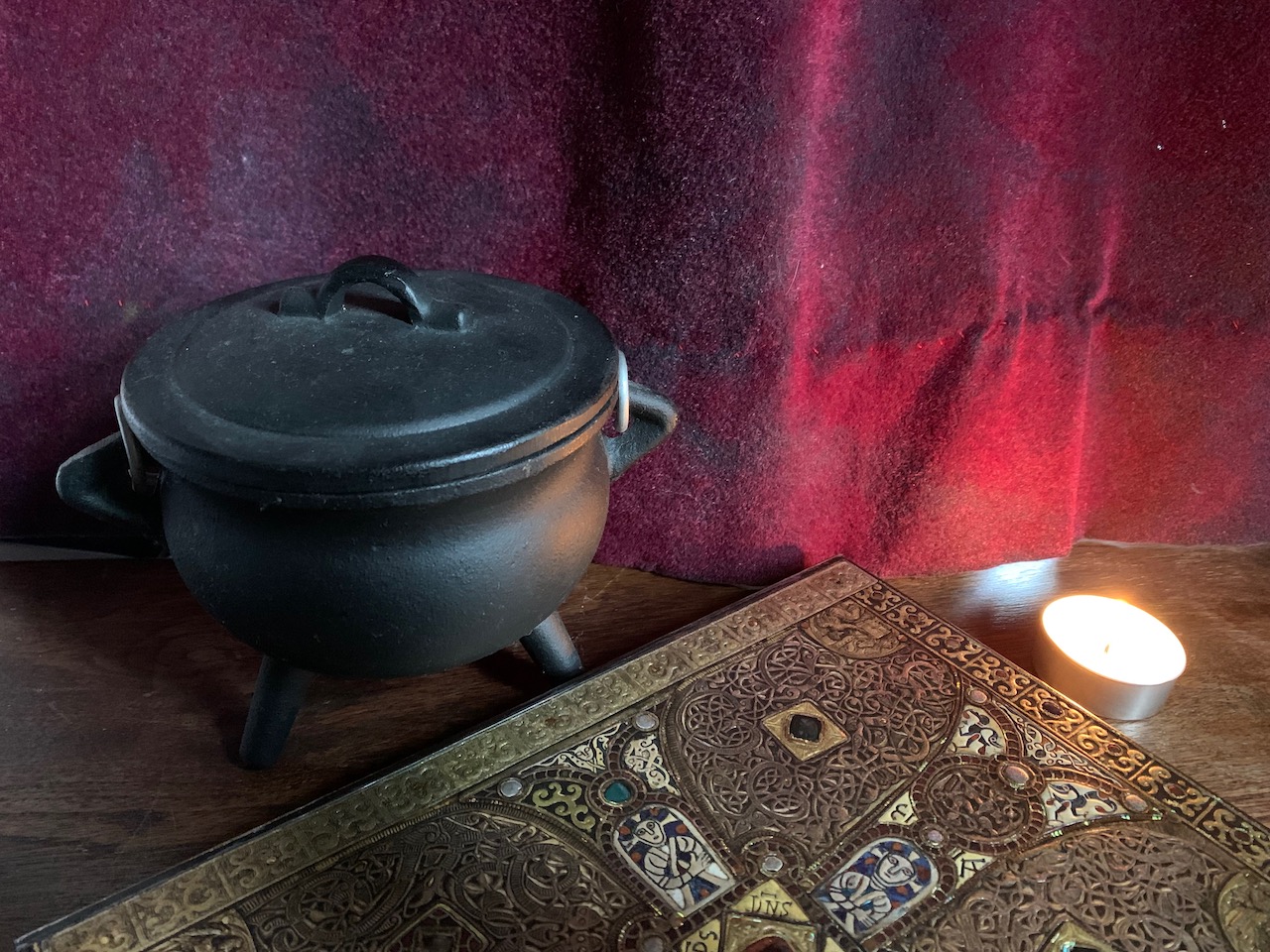
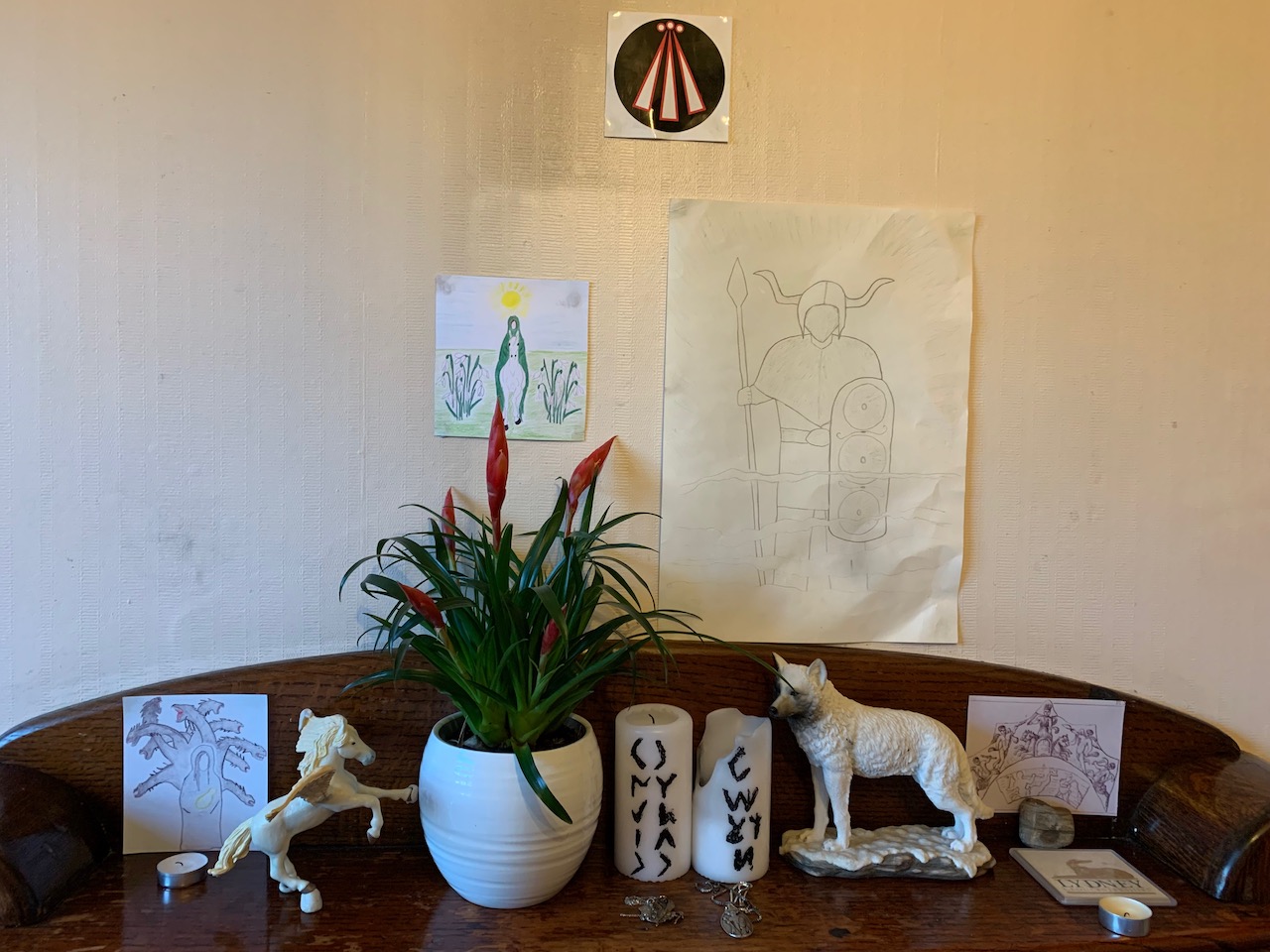
My rearrangement of my altar reflects these changes as I give Gwyn and Creiddylad equal space. The plant is, oddly, a Bromeliad, from the tropical Americas, which I sensed She liked when I did our weekly food shopping at Morrisons. It represents the fact that neither plants nor gods know any boundaries.